
Betta Fish Care Guide: Everything Beyond the Bowl
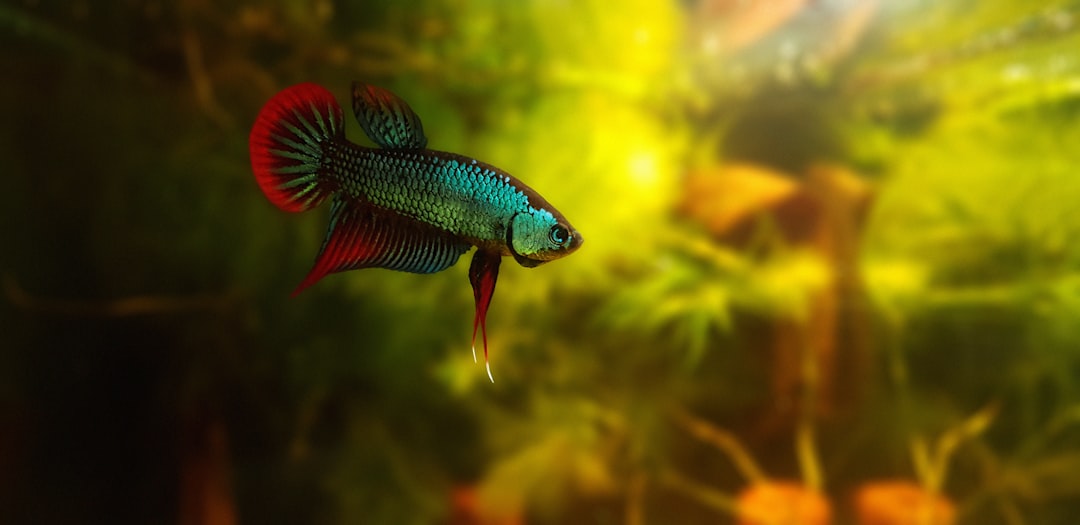
The betta fish (Betta splendens), also known as the Siamese fighting fish, is arguably the most popular freshwater fish in Singapore. Found in nearly every aquarium shop along Serangoon North and pet stores island-wide, bettas captivate with their flowing fins and vivid colours. Yet many are still kept in tiny cups and bowls that shorten their lives dramatically. This betta fish care guide from Gensou Aquascaping at 5 Everton Park goes beyond the basics to help your betta truly thrive.
Betta Fish Overview
Wild bettas originate from shallow rice paddies, ponds and slow streams in Thailand, Cambodia and Vietnam. Centuries of selective breeding have produced dozens of tail types — halfmoon, crown tail, plakat, double tail, dumbo ear and many more. Males grow to 6–7 cm and live for three to five years. Females are smaller with shorter fins and can sometimes be kept in groups called sororities.
Tank Requirements
The single most important upgrade you can give a betta is space. A minimum of 10 litres is necessary, but 20–40 litres is where bettas show their best behaviour, colour and health. Use a gentle sponge filter or a hang-on-back filter with reduced flow — bettas are not strong swimmers, and their elaborate fins create drag. Maintain the temperature between 24 °C and 28 °C, which Singapore’s climate provides naturally. Target a pH of 6.0–7.5 and soft to moderately hard water.
Aquascaping for Bettas
Bettas love resting spots near the surface. Provide broad-leaved plants like Anubias, Amazon Sword and Betta hammock leaves. Floating plants such as Salvinia and Amazon Frogbit dim the lighting and give bettas a sense of security. Avoid sharp plastic decorations that can tear delicate fins — use smooth driftwood, rounded stones and silk or live plants instead. A heavily planted tank reduces stress and gives the betta territory to patrol.
Diet and Feeding
Bettas are carnivores with upturned mouths designed for surface feeding. Offer high-quality betta pellets as the staple — two to three pellets twice daily is plenty. Supplement with frozen bloodworm, daphnia and brine shrimp two to three times per week. Bettas are prone to bloating and constipation, so fast them one day per week. Their stomach is roughly the size of their eye, making overfeeding dangerously easy.
Tank Mates
Male bettas must be kept alone — never with another male. Compatible tank mates in a 40-litre or larger setup include small Corydoras, otocinclus, kuhli loaches, nerite snails and small peaceful rasboras like chili rasboras. Avoid fin nippers (tiger barbs, serpae tetras), bright-coloured fish that trigger aggression (male guppies) and anything small enough to be eaten. Some bettas are more aggressive than others, so always have a backup plan.
Common Betta Diseases
Fin rot is the most common ailment, caused by poor water quality and bacterial infection. The fin edges turn dark and ragged, gradually shortening. Treat with clean water and antibacterial medication if severe. Velvet appears as a gold dust coating and is treated with darkness and medication containing malachite green. Swim bladder disorder causes the betta to float sideways or sink — often linked to overfeeding or constipation. Fast the fish for two to three days, then offer a blanched, deshelled pea.
Betta Myths Busted
Bettas do not thrive in small bowls — the “puddle” myth ignores that wild bettas have access to vast rice paddies. They do need a filter — a labyrinth organ supplements oxygen intake but does not clean waste. They do need a heater in air-conditioned rooms — Singapore’s climate is warm, but prolonged exposure to 22 °C or below stresses them. Investing in a proper setup rewards you with a vibrant, active fish that lives years instead of months.
Related Reading



