
Fairy Wrasse Care Guide: Cirrhilabrus Species for Peaceful Reef Tanks
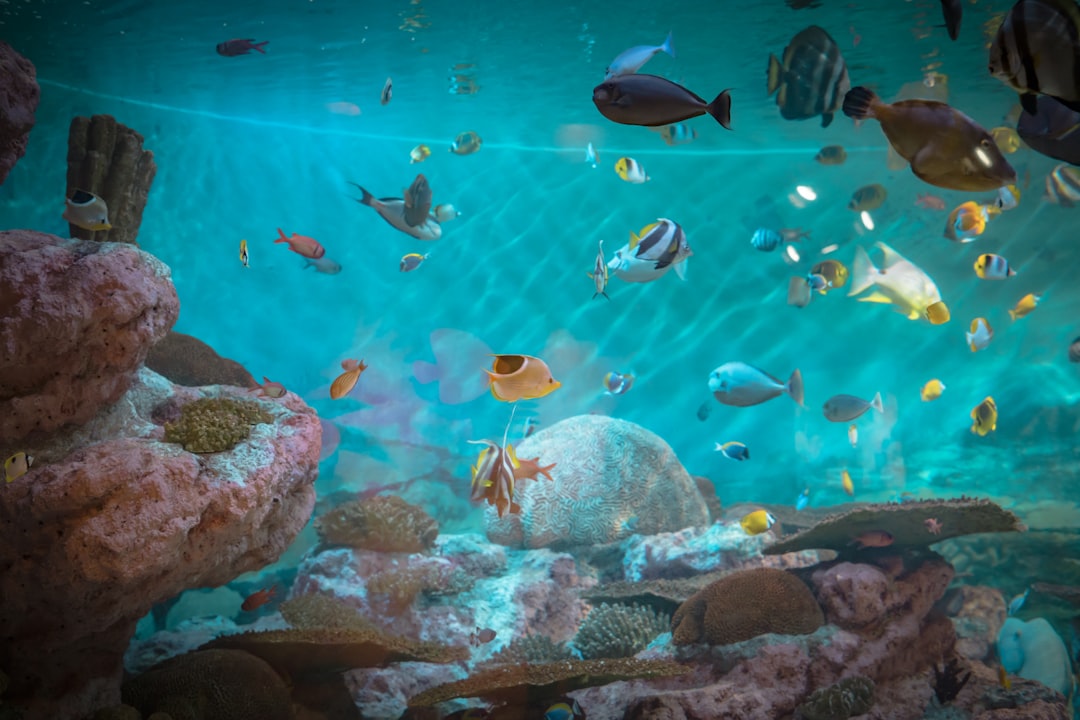
For reefers seeking vibrant colour without aggression headaches, fairy wrasses offer a compelling combination. The Cirrhilabrus genus contains dozens of species in dazzling reds, pinks, purples and oranges — all peaceful, reef-safe and active enough to enliven any marine community. This fairy wrasse care guide from Gensou Aquascaping at 5 Everton Park, Singapore covers the practical essentials for keeping these stunning wrasses thriving in tropical reef systems. This guide sits inside our broader Tropical Fish Species Master Index reference.
Popular Cirrhilabrus Species
The genus Cirrhilabrus includes over 60 described species, with new ones still being discovered. Among the most commonly available in Singapore are the exquisite wrasse (Cirrhilabrus exquisitus), the solar wrasse (Cirrhilabrus solorensis), the flame wrasse (Cirrhilabrus jordani) and the lineatus wrasse (Cirrhilabrus lineatus). Males display far brighter colouration than females, particularly during courtship displays when they “flash” — flaring fins and intensifying colour to attract mates. Prices range from $30-$80 SGD for common species to $150-$400 SGD for rarer varieties.
Tank Size and Setup
Most fairy wrasses do well in tanks of 200 litres or larger. They are open-water swimmers that patrol the upper and middle water column, so a tank with some open space above the rockwork is ideal. A secure lid or mesh cover is absolutely essential — fairy wrasses are notorious jumpers, and an uncovered tank will eventually result in a dried-out fish on your floor. Even small gaps around overflow boxes or plumbing penetrations should be sealed.
Water Parameters
Fairy wrasses adapt well to standard reef conditions: salinity at 1.025, temperature between 24-27 degrees Celsius, pH 8.0-8.4, ammonia and nitrite at zero, nitrate below 20 ppm. They are hardier than many marine fish and tolerate minor fluctuations without visible stress. In Singapore, maintain cooling during hot months — a stable 26 degrees Celsius is ideal. Good oxygenation through surface agitation or a protein skimmer supports their active metabolism.
Diet and Feeding
Fairy wrasses are planktivores in the wild, plucking tiny crustaceans and zooplankton from the water column. In captivity, offer a mix of frozen mysis shrimp, enriched brine shrimp, cyclops and high-quality marine pellets. Feed two to three times daily in small amounts — their fast metabolism demands frequent meals. Newly imported specimens sometimes refuse dry food initially; start with frozen offerings and gradually introduce pellets once the fish is settled and feeding confidently.
A refugium producing live copepods and amphipods provides supplemental nutrition and encourages natural hunting behaviour.
Reef Compatibility
Fairy wrasses are completely reef-safe. They do not bother corals, clams, anemones or invertebrates. Their peaceful nature extends to other fish — they rarely instigate conflict with tank mates. However, males of the same species can be aggressive toward each other. Keep only one male per species unless your tank exceeds 500 litres and has ample visual barriers. A single male with two or three females creates a natural social group that displays fascinating courtship behaviour.
Behaviour and Social Dynamics
Male fairy wrasses perform a spectacular courtship display several times daily, typically near the end of the light cycle. The male swims rapidly in front of females, flashing intensified colours and erecting all fins. This “nuptial display” is one of the most visually rewarding behaviours in the marine hobby. Fairy wrasses also exhibit protogynous hermaphroditism — the dominant female in a group can change sex to become a male if the existing male is removed.
New additions often hide for the first few days, staying close to rockwork and emerging cautiously at feeding time. Allow a settling period of one to two weeks before judging the fish’s behaviour.
Common Health Concerns
Fairy wrasses are less susceptible to ich than tangs but can still develop Cryptocaryon irritans when stressed. Quarantine new specimens for four weeks in a separate tank. Avoid copper treatment if possible — fairy wrasses tolerate it poorly compared to hardier species. Tank transfer method (TTM) or hyposalinity (specific gravity 1.009 for 4-6 weeks) are gentler alternatives for parasite treatment. Jumping remains the leading cause of death. Secure your tank.
Choosing Your First Fairy Wrasse
Start with a hardy, commonly available species like the exquisite wrasse or solar wrasse. Select specimens that are actively swimming and feeding at the shop — avoid fish that are hiding in corners or showing rapid breathing. A healthy fairy wrasse is alert, curious and will approach the front of the tank when you stand nearby. With proper care, these colourful wrasses bring years of dynamic activity and spectacular colour to Singapore reef tanks.
Related Reading



