
Acropora Coral Care Guide: SPS Basics for Singapore Reefers
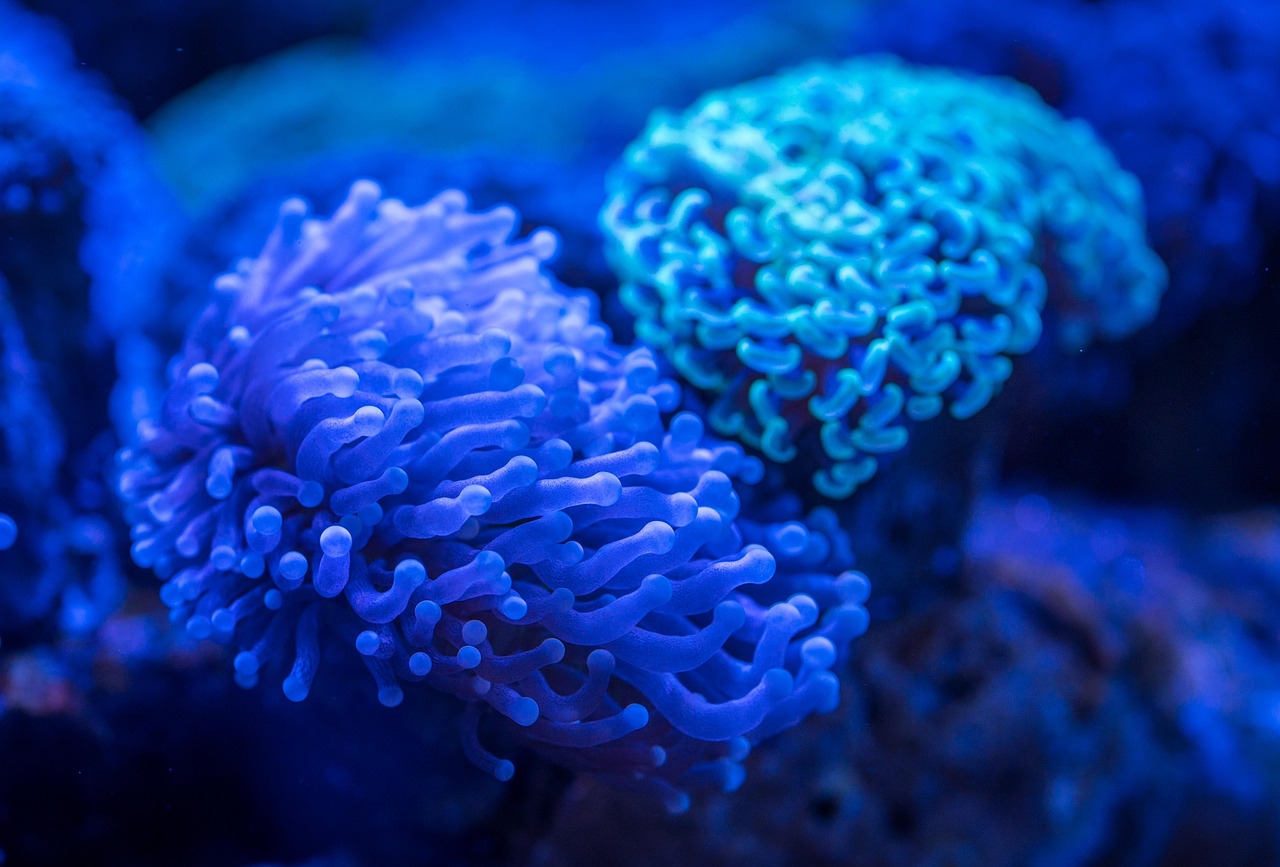
Few corals command as much respect — or demand as much precision — as the genus Acropora. Often considered the pinnacle of reef keeping, these small-polyp stony corals reward patient hobbyists with extraordinary growth forms and vivid colours that rival anything found on a wild reef. This acropora coral care guide from Gensou Aquascaping at 5 Everton Park, Singapore draws on over two decades of hands-on reef work to help you keep these demanding corals thriving in tropical conditions. This guide sits inside our broader Saltwater Reef Tank Master Guide reference.
Why Acropora Appeals to Serious Reefers
Acropora encompasses over 150 described species, making it the largest genus of stony corals. From the tabling form of Acropora hyacinthus to the tight-branching growth of Acropora millepora, each species offers a distinct silhouette. Healthy colonies display fluorescent greens, electric blues, deep purples and vibrant pinks — often within a single fragment. That visual payoff is what keeps reefers pushing their systems to the stability these corals require.
Water Parameters: The Non-Negotiable Numbers
Stability matters more than hitting a single target, but your targets still need to be correct. Maintain salinity at 1.025-1.026 specific gravity, temperature between 25-27 degrees Celsius, alkalinity at 7.5-9.0 dKH, calcium at 420-450 ppm, and magnesium at 1350-1450 ppm. In Singapore’s warm climate, a chiller or fans become essential during hotter months when ambient temperatures push past 30 degrees Celsius. Even brief spikes above 29 degrees Celsius can trigger bleaching in sensitive Acropora colonies.
Phosphate should sit below 0.03 ppm and nitrate between 2-5 ppm. Completely stripping nutrients causes pale, slow-growing colonies, while excess nutrients invite algae to smother tissue. Test weekly with reliable kits — ICP-OES testing every quarter provides deeper insight into trace elements.
Lighting Requirements
Acropora corals are among the most light-hungry inhabitants in any reef tank. Target PAR values of 300-500 at the colony surface for most species, though some deepwater varieties fare better at 150-200 PAR. Quality LED fixtures from brands like Radion, AI Hydra or Maxspect can deliver these intensities across a standard four-foot tank. A 10-12 hour photoperiod with a gentle ramp-up and ramp-down simulates natural conditions and reduces photoshock.
When placing new frags, start them lower in the tank at around 150 PAR and gradually move them higher over four to six weeks. Rushing light acclimation is one of the fastest ways to bleach a newly purchased colony.
Flow and Placement
Strong, chaotic flow is the secret ingredient many beginners overlook. Acropora polyps feed and expel waste through water movement, so target turnover rates of 40-60 times your tank volume per hour using a combination of return pumps and wavemakers. Position colonies where flow hits from multiple angles — laminar flow from a single powerhead encourages uneven growth and dead spots where detritus settles.
Leave at least 5-8 cm between neighbouring colonies. Acropora can extend sweeper tentacles at night and will readily sting slower-growing neighbours.
Feeding and Supplementation
While photosynthesis through zooxanthellae provides most of their energy, broadcast feeding with amino acids and coral foods like Reef-Roids or Polyp Lab Reef-Roids once or twice a week supports faster growth and deeper colouration. Dose a two-part calcium and alkalinity solution or use a calcium reactor once consumption exceeds manual dosing convenience — typically when you have more than a dozen colonies in a system.
Common Problems in Singapore Tanks
Heat stress tops the list. Singapore’s year-round warmth means your chiller or fan setup cannot afford a single day of failure during April or May heatwaves. Invest in a temperature controller with an alarm function. Rapid tissue necrosis (RTN) and slow tissue necrosis (STN) can wipe out colonies overnight; these are often triggered by sudden alkalinity swings or bacterial infections following physical damage during fragging.
Acropora-eating flatworms and red bugs (Tegastes acroporanus) are persistent pests. Dip every new frag in a coral dip solution for 10-15 minutes and inspect under strong light before adding to your display. Quarantining frags in a separate system for two weeks catches most hitchhikers before they become infestations.
Choosing Your First Acropora
Start with hardier species like Acropora millepora, Acropora valida or the ubiquitous green slimer (Acropora yongei). These tolerate minor parameter fluctuations better than wild-collected deepwater specimens. Locally propagated frags, often available between $15-$60 SGD on Carousell or from reef shops around Singapore, tend to adapt faster than imported stock because they have already acclimated to local water conditions and lighting.
Building Toward a Thriving SPS Tank
Patience separates successful acropora keepers from frustrated ones. Run your tank for at least six to twelve months with hardier corals before introducing your first Acropora frag. Ensure your alkalinity consumption is consistent, your nutrient levels are stable, and your equipment includes redundancy for heating, cooling and circulation. Once the foundation is right, few sights in the hobby match a mature acropora-dominated reef.
Related Reading
- Brain Coral Care Guide: Lobophyllia and Symphyllia in Reef Tanks
- Bubble Coral Care Guide: Plerogyra Sinuosa Feeding and Placement
- Coral Beauty Angelfish Care Guide: Dwarf Angel for Reef Tanks
- Coral Red Pencilfish Care Guide: Crimson Hovering Beauty
- Duncan Coral Care Guide: Easy LPS With Flowing Tentacles



