
Fish Aggression Management: Causes, Signs and Proven Solutions
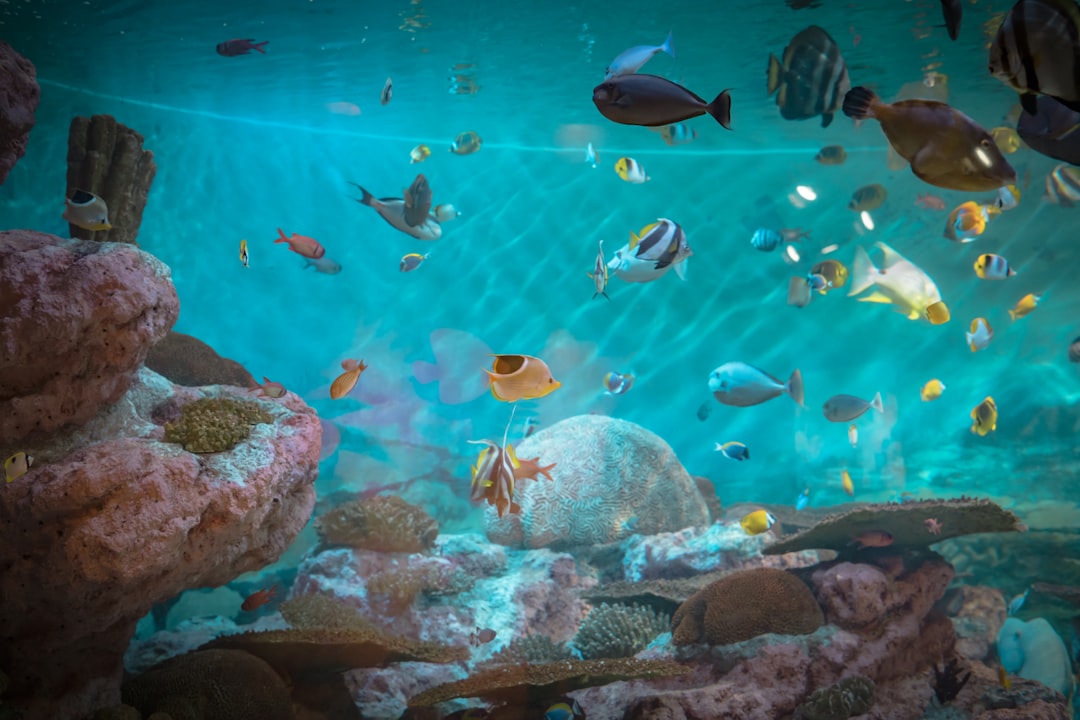
Torn fins, cowering tankmates, and relentless chasing turn a peaceful aquarium into a stressful environment for fish and fishkeeper alike. Understanding the root causes of aggression is the first step toward a harmonious community tank. This fish aggression management guide from Gensou Aquascaping at 5 Everton Park, Singapore draws on over 20 years of stocking community and species-specific setups to help you identify, prevent, and resolve conflict before it causes real harm.
Why Fish Become Aggressive
Aggression in aquarium fish stems from a handful of core drives. Territoriality tops the list — cichlids, bettas, and many gouramis stake out physical space and defend it vigorously. Breeding behaviour amplifies this instinct, with males guarding nests or females protecting fry. Competition for food triggers aggression even in normally peaceful species when rations are scarce. Overcrowding, insufficient hiding spots, and poor water quality heighten stress hormones, lowering the threshold for conflict across the board.
Recognising the Warning Signs
Overt fin-nipping is obvious, but subtler cues often precede outright violence. Watch for one fish consistently claiming a particular corner and flaring at passersby. Colour darkening in cichlids and gouramis signals heightened territorial mood. A subordinate fish hovering motionless near the surface or hiding behind equipment for extended periods is being suppressed, even if you never witness a direct attack. Clamped fins and loss of appetite in specific individuals — while the rest feed normally — point to chronic intimidation.
Tank Layout as a Peace Tool
Breaking sightlines is one of the most effective aggression reducers. Dense planting, tall driftwood, and rock formations that create distinct zones prevent a dominant fish from surveying the entire tank at once. Rearranging hardscape after adding new fish disrupts established territories and forces every individual to re-stake claims simultaneously, levelling the playing field. In cichlid setups, providing more hiding spots than there are fish ensures every individual has a retreat.
Stocking Strategies That Reduce Conflict
Research species compatibility before purchasing. Mixing two territorial bottom-dwellers that occupy the same niche — say a red-tailed black shark with a rainbow shark — almost guarantees conflict. Instead, stock species that occupy different water columns. Pair bottom-dwelling Corydoras with mid-water tetras and surface-dwelling hatchetfish for a community where competition is minimal.
Group size matters enormously. Keeping just two or three of a semi-aggressive species concentrates bullying on a single target. Increasing the group to six or more spreads aggression so no one fish bears the brunt. This approach works particularly well with tiger barbs, serpae tetras, and Buenos Aires tetras.
Managing Breeding Aggression
Spawning pairs of cichlids can terrorise an entire community. If you want to breed, dedicate a separate tank to the pair. In mixed setups, removing eggs or fry early reduces the duration of parental aggression. For livebearers like guppies, males that constantly harass females benefit from a higher female-to-male ratio — at least two females per male prevents any single female from being driven to exhaustion.
Feeding Techniques to Minimise Competition
Scatter food across multiple points rather than dropping it in one spot. Use sinking pellets for bottom-dwellers at the same time you feed flakes at the surface, so every species gets its share without confrontation. Hungry fish are irritable fish. Two small feedings daily, rather than one large meal, keep aggression tied to feeding time consistently low.
When to Separate or Rehome
Some individuals are simply incompatible. If a fish continues to attack after re-scaping, adjusting group size, and improving conditions, permanent separation is the responsible choice. A tank divider offers a temporary solution, but rehoming the aggressor to a more suitable setup is better long-term. Local fishkeeping groups on Carousell and Facebook make rehoming straightforward in Singapore. Prioritising the welfare of the entire community over attachment to a single fish is part of responsible fishkeeping.
Water Quality and Aggression
Elevated nitrate, low oxygen, and unstable pH raise cortisol levels in fish, increasing irritability. Maintain nitrate below 20 ppm with regular water changes using dechlorinated PUB tap water. Ensure strong surface agitation for gas exchange. A stable, clean environment does not eliminate natural territorial behaviour, but it removes the additional stress factors that push normal assertiveness into damaging aggression.
Related Reading
- Aquarium Phosphate Management: Balancing Algae and Plant Growth
- Aquarium Tannins: Benefits of Blackwater and How to Manage Them
- Brackish Aquarium Salinity Management: Measuring, Mixing and Maintaining Specific Gravity
- Active vs Inert Substrate: Which Is Right for Your Planted Tank?
- ADA Fertiliser System Guide: Brighty K, Green Brighty and Step Series



