











Schooling Fish Dynamics: Why Fish School and How Group Size Affects Behaviour
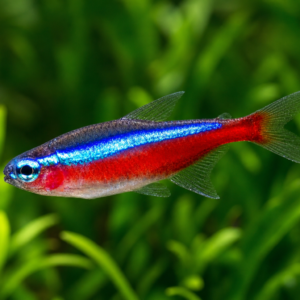
Few sights in the hobby rival a tight school of cardinal tetras pivoting in unison through a planted tank. Yet many fishkeepers unknowingly undermine this behaviour by purchasing too few individuals. This schooling fish dynamics guide from Gensou Aquascaping at 5 Everton Park, Singapore explains the science behind schooling, the impact of group size on fish welfare, and how to create conditions that bring out the most natural, captivating shoaling displays.
Schooling Versus Shoaling
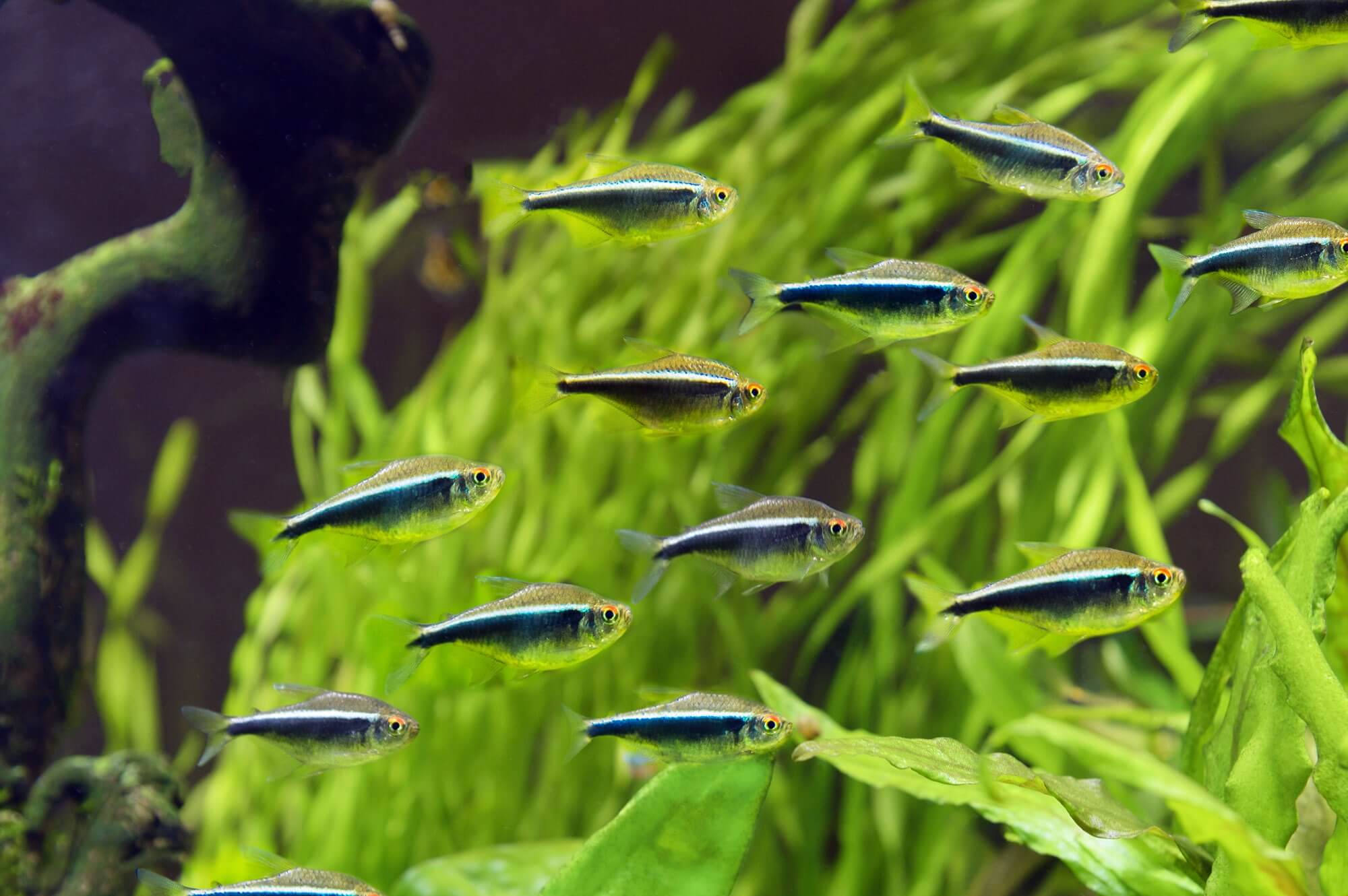
The terms are often used interchangeably, but they describe different behaviours. Shoaling simply means a group of fish staying in loose social proximity. Schooling is the coordinated, synchronised movement — the sharp turns and unified direction changes that captivate aquarists. Most small cyprinids, characins, and rasboras shoal naturally and school when they sense a potential threat. In an aquarium, the presence of larger tankmates or sudden light changes can trigger tight schooling formation.
Why Fish School in the Wild
Predator confusion is the primary driver. A darting mass of identical fish makes it difficult for a predator to single out one target. Hydrodynamic benefits also play a role — fish in formation expend less energy swimming than solitary individuals. Foraging efficiency improves as well, since a group can locate food patches faster than a lone fish scanning alone. These evolutionary advantages run deep, which is why keeping schooling species in inadequate numbers causes measurable stress.
The Critical Minimum Group Size
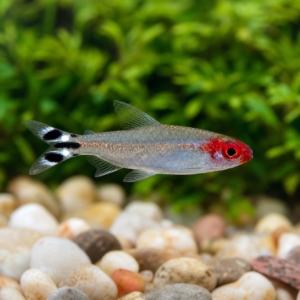
Six is the commonly cited minimum for schooling species, but research and practical experience show that true schooling behaviour emerges more reliably in groups of ten or more. A trio of rummy-nose tetras (Hemigrammus rhodostomus) will cluster nervously in a corner. Double that number to six and you see loose grouping. At twelve or more, the school flows through the tank with visible confidence, feeding in the open rather than hiding among plants.
For nano species like Boraras brigittae or ember tetras, groups of fifteen to twenty are ideal and produce stunning visual impact in even a 60-litre tank. The per-fish cost is low — typically $1.50-$3 each at local shops around Serangoon North — so there is little reason to skimp.
How Tank Size Influences Schooling
Long tanks encourage lateral swimming and tighter school formation. A 90 cm or 120 cm tank provides the runway these species need. Tall, narrow tanks restrict horizontal movement and cause schools to break apart into scattered individuals hovering at different levels. When planning a schooling display, prioritise footprint length over total volume.
Mixing Multiple Schooling Species
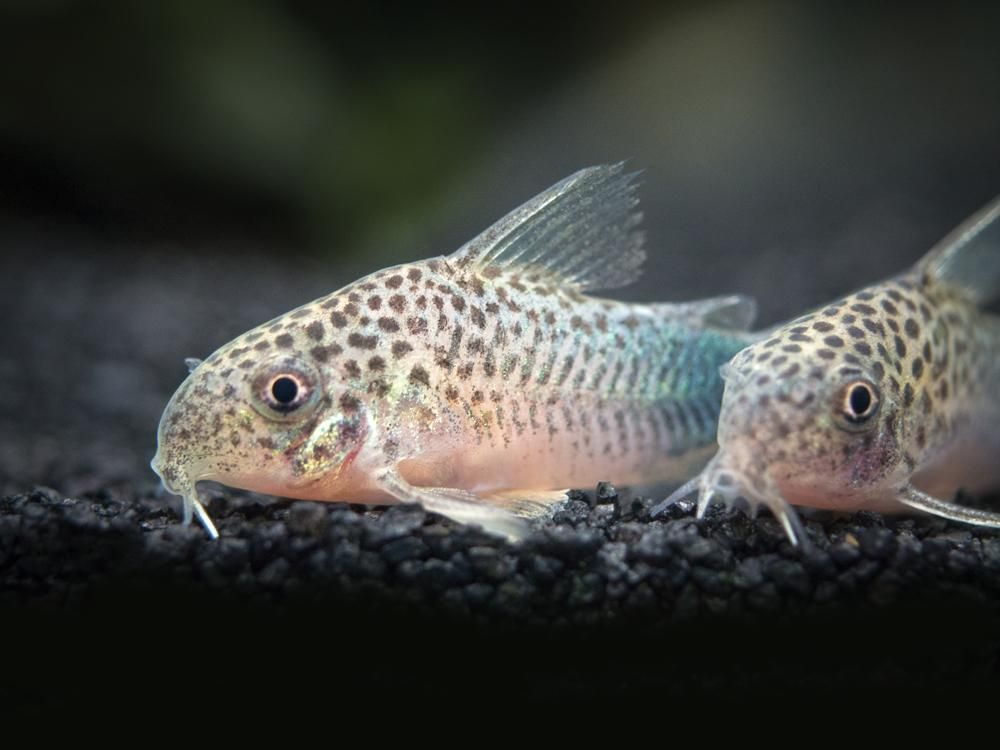
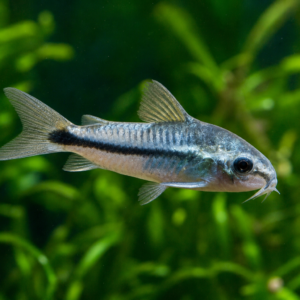
A common layout pairs a mid-water school of tetras with a bottom-dwelling group of Corydoras and a surface school of hatchetfish. Because these species occupy different water columns, they rarely interfere with one another’s grouping instinct. Avoid mixing two visually similar mid-water schoolers — for example, neon tetras and cardinal tetras in the same tank — as they may attempt to integrate and end up in a confused, loose gaggle rather than two distinct schools.
Feeding and Schooling Behaviour
Feeding time often temporarily breaks school cohesion as individuals dart toward food particles. Scatter feeding across the tank length helps maintain group structure during meals. High-quality micro pellets that sink slowly keep mid-water schoolers together rather than sending half the group to the surface and the other half to the substrate chasing flakes.
Creating the Ideal Schooling Display
Dark substrates and a planted background make schooling fish colours pop and encourage bolder open-water swimming. A gentle current from a spray bar along the back wall gives the school something to orient against, producing the classic upstream-facing formation. Moderate lighting — not too bright — reduces skittishness. Leave the front and centre of the tank open as a swimming corridor, concentrating plants and hardscape along the sides and back.
Signs of Stress in Undersize Groups
Faded colours, erratic darting, hiding during daylight, and refusal to feed in the open all indicate a schooling species kept in too-small numbers. Adding more of the same species is usually the simplest and most effective remedy. If tank capacity is the limiting factor, consider swapping to a single, larger school rather than maintaining two or three inadequate groups of different species. One school of twenty is far more rewarding — for fish and fishkeeper — than three anxious groups of five.
Related Reading
- Active vs Inert Substrate: Which Is Right for Your Planted Tank?
- ADA Fertiliser System Guide: Brighty K, Green Brighty and Step Series
- Advanced Shrimp Selective Breeding: Line Breeding, Culling and Colour Fixing
- Alternanthera Reineckii Care Guide: Bold Red Without CO2
- Alternanthera Reineckii Mini Care Guide: Compact Red Carpet Plant



