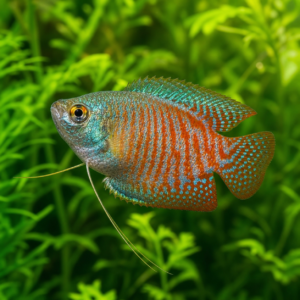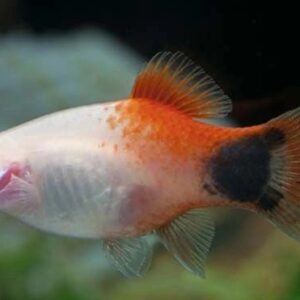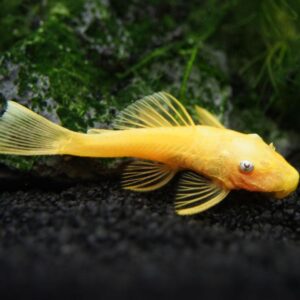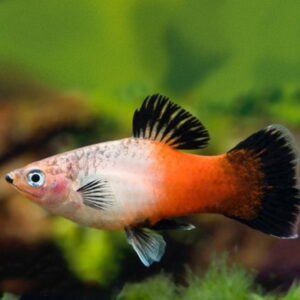
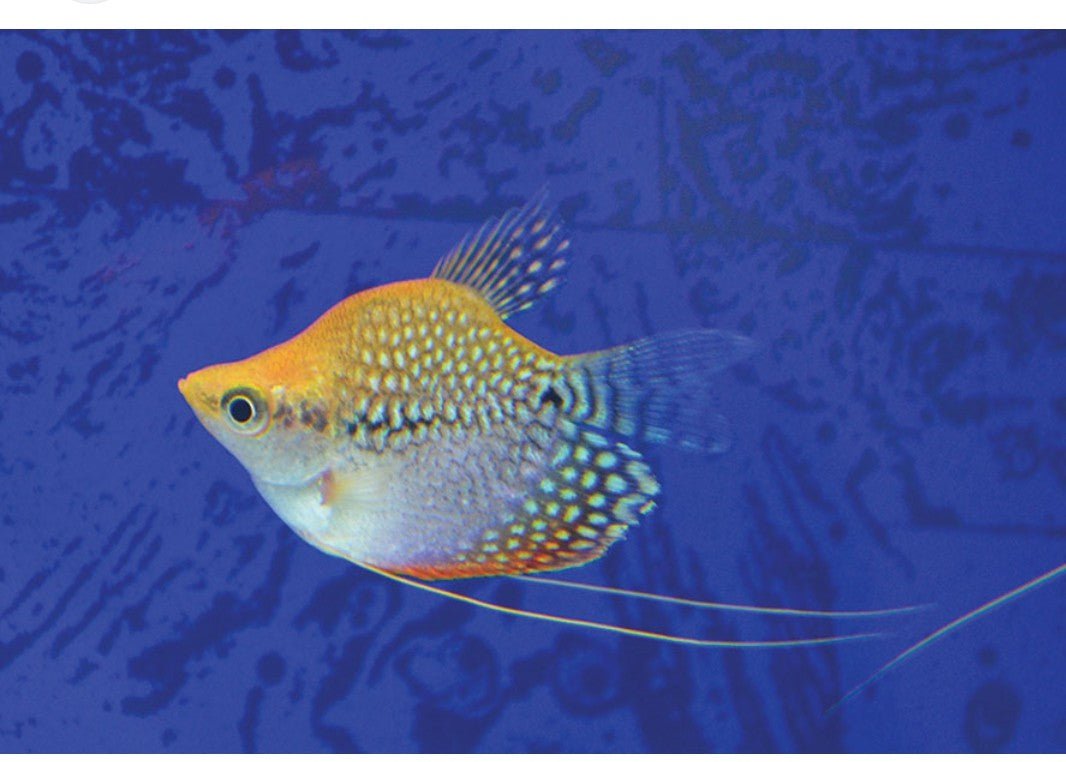
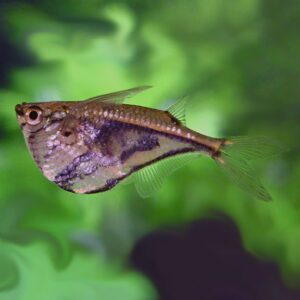
Balloon Gourami
Trichopodus trichopterus · Semi-aggressive · Beginner care
Out of stock
Ask on WhatsAppAt a glance
Species profile Trichopodus trichopterus
Origin
Southeast Asia (Mekong basin) - captive-bred body form
Family
Osphronemidae (gourami family)
Adult size
Up to 9 cm (3.5 in)
Diet
Flake and pellet with frozen/live foods and vegetable matter (Omnivore)
Temperament
Semi-aggressive
Swimming level
Top to middle
Minimum group
1+ (shoaling)
Lifespan
3-5 years
Minimum tank
75 L (20 gal)
Water type
Freshwater
Size to scale
9 cm adult length, shown to scale against an iPhone 15 Pro (14.66 cm).
Natural range
Where it comes from — Southeast Asia
Southeast Asia (Mekong basin) - captive-bred body form
Water
Singapore tap water vs its needs
Hardness: Soft to hard (5-19 dGH).
In the aquarium
How it lives in the tank
Swims in the top & middle of the tank
Sensitivity Index — Hardy
Hardy and beginner-friendly; keep up routine water changes and it will thrive.
Our own read on how forgiving this species is of water changes — not a formal standard.
Keeping & care
What this fish needs
Family
About the Osphronemidae family gourami family
Osphronemidae is the gourami family, a group of small-to-medium labyrinth fishes native to freshwater habitats across South and Southeast Asia. Their defining trait is the labyrinth organ, an accessory breathing structure that lets them gulp air at the surface, so they tolerate warm, still, low-oxygen water. Aquarium members range from peaceful nano species (sparkling and honey gouramis) to the popular but often territorial betta, with most being hardy, undemanding fish suited to gentle-flow planted tanks.
Provide gentle flow, a calm warm surface for air-breathing, and floating or tall plants for cover; keep only one male of the more territorial species (bettas, some dwarf gouramis) per tank to limit aggression.
Breeding
Bubble-nester (most members); some are mouthbroodersMost aquarium gouramis are bubble-nesters: the male builds a raft of mucus-coated air bubbles at the surface, often anchored under a floating leaf, then embraces the female beneath it and tends the eggs and fry alone while she is removed. Spawning is encouraged by a lowered, shallow water level, warm temperatures around 27-29°C, and calm surface water so the nest holds together. A minority of species (several Betta and some chocolate gouramis) are paternal mouthbrooders instead, with the male incubating eggs in his mouth; free-swimming fry are typically fed infusoria and then newly hatched brine shrimp.
Feeding
Recommended food
Compatibility
Best tankmates
Community