
Grass Tail Guppy Strain Care Guide: Variegated Caudal
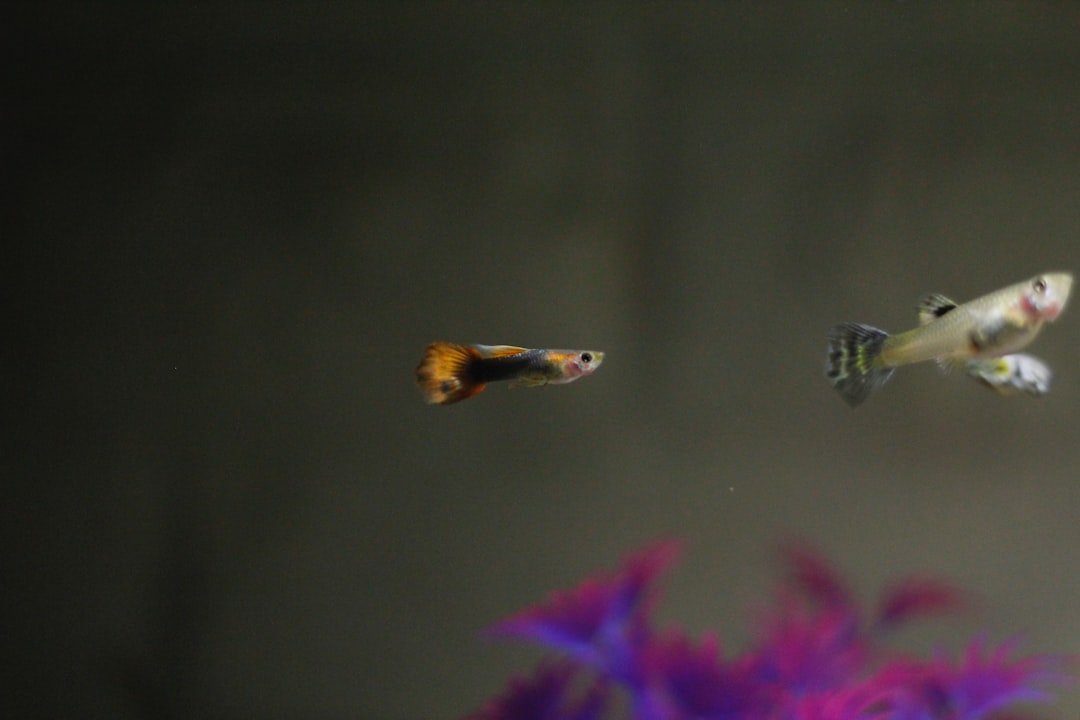
Among the most aesthetically distinctive guppy strains, Grass Tail occupies a category of its own. The grass tail guppy strain earned its name from the variegated multi-coloured pattern in the caudal fin that resembles blades of grass swaying in current, with the trait tracing back to Japanese heritage breeding work in the late twentieth century. This guide from Gensou Aquascaping at 5 Everton Park covers the strain’s lineage, defining traits, and how Singapore breeders source and maintain show-grade trios.
Japanese Heritage and Origins
Grass Tail emerged from Japanese guppy breeding programmes that prioritised pattern complexity in the caudal fin over solid colour saturation. The strain spread internationally during the 1990s and 2000s, with Asian breeders refining the line and developing distinct sub-strains. Japanese breeder networks remain influential, and the most respected Grass Tail pedigrees trace to specific named Japanese kennels even now decades on.
Distinguishing Traits
The defining feature is the caudal fin pattern — fine, vertically oriented multi-colour stripes resembling grass blades, often combining red, blue, green and yellow tones across a single tail. The pattern requires precise rather than chaotic expression to win at show level. Body colour varies by sub-strain, with the grass tail trait combining with snakeskin, Tuxedo or AOC body patterns to produce visually rich combinations.
Sub-Strains and Colour Variants
Red Grass Tail features dominant red striping through the caudal pattern. Blue Grass Tail emphasises blue-toned grass blades. Green Grass and Multicolour Grass extend the framework. Each sub-strain demands separate breeding lines because random crossing produces inconsistent caudal patterns. Combination strains such as Snakeskin Grass Tail pair the grass caudal with reticulated body pattern, demanding both genetic systems run homozygously.
Genetics and Breeding Approach
The grass pattern involves multiple genes controlling caudal pigment distribution. Maintaining strong vertical-stripe expression requires closed-line breeding with intensive selection each generation. Outcrossing to non-grass-tail stock rapidly breaks the pattern toward solid or random caudal expression. Annual refresher crosses to a related grass-tail line refresh vigour without compromising the structure. F1 quality typically reaches 60-70 per cent of parental standard, with subsequent culling necessary.
Show Performance
Grass Tail competes in pattern-class judging at IFGA-standard shows. Show-grade fish demonstrate clean vertical stripes throughout the caudal fan, balanced colour distribution across stripes, strong delta or roundtail base shape, and matching dorsal pattern where present. The Singapore Guppy Club features Grass Tail variants regularly, with the strain’s visual complexity making it a perennial favourite among collectors who appreciate intricate pattern work over flash colour.
Sourcing in Singapore
Genuine Grass Tail trios reach Singapore primarily through Carousell listings from Singapore Guppy Club members and specialist Telegram breeder groups. Imports from established Asian breeders in Japan, Thailand and Indonesia arrive periodically through Iwarna Aquafarm and private importers. Mass-market shops occasionally stock lower-tier grass-pattern guppies but rarely with show-grade trait expression. Set up a serious breeding system with the aquarium tanks and cabinets selection, dependable filter media accessories and balanced fish food.
Singapore Pricing
Show-grade Grass Tail trios typically run SGD 80-200 depending on sub-strain and grade. Combination strains like Snakeskin Grass or Albino Grass command SGD 120-300 due to additional breeding complexity. Premium imports with documented Japanese pedigree from established breeders can reach SGD 450 per trio for top-tier stock. Pet-shop guppies labelled as having grass patterning at SGD 5-15 each rarely meet show standard.
Care for Grass Tail Stock
Grass tail caudal expression responds strongly to water quality and diet. Plan minimum 60-litre tanks per breeding line, stable temperature 24-26°C, GH 8-12, KH 4-6, pH 7.0-7.4. Singapore tap water benefits from mineral supplementation. Routine testing using the water quality test kit range protects long-term pattern stability. Diet rotation across high-quality flakes, micropellets and frozen brine shrimp supports caudal colour saturation. Stress rapidly fades pattern definition.
Caudal Care and Tank Mates
The complex caudal pattern is fragile to fin nipping. Avoid mixed tanks with tetras, barbs or other species that nip flowing fins. Keep grass tail males in display tanks alone or with non-aggressive species. Females retain less elaborate patterning but support strong fry production with similar genetic background. Stock aquarium health and care essentials for routine maintenance and breeding tank turnover.
The Modern Continuation
Grass Tail continues to evolve under active Asian breeder development, with Japanese heritage lines maintained alongside newer Thai and Indonesian variations. The Singapore breeder community contributes through targeted line-breeding programmes and active import trade. For collectors building a serious guppy collection, Grass Tail pairs naturally with the heritage Moscow, Half Black and Albino lines, providing pattern complexity that complements the saturation-focused strains.
Related Reading



