
Moscow Blue Guppy Strain Care Guide: Russian Heritage
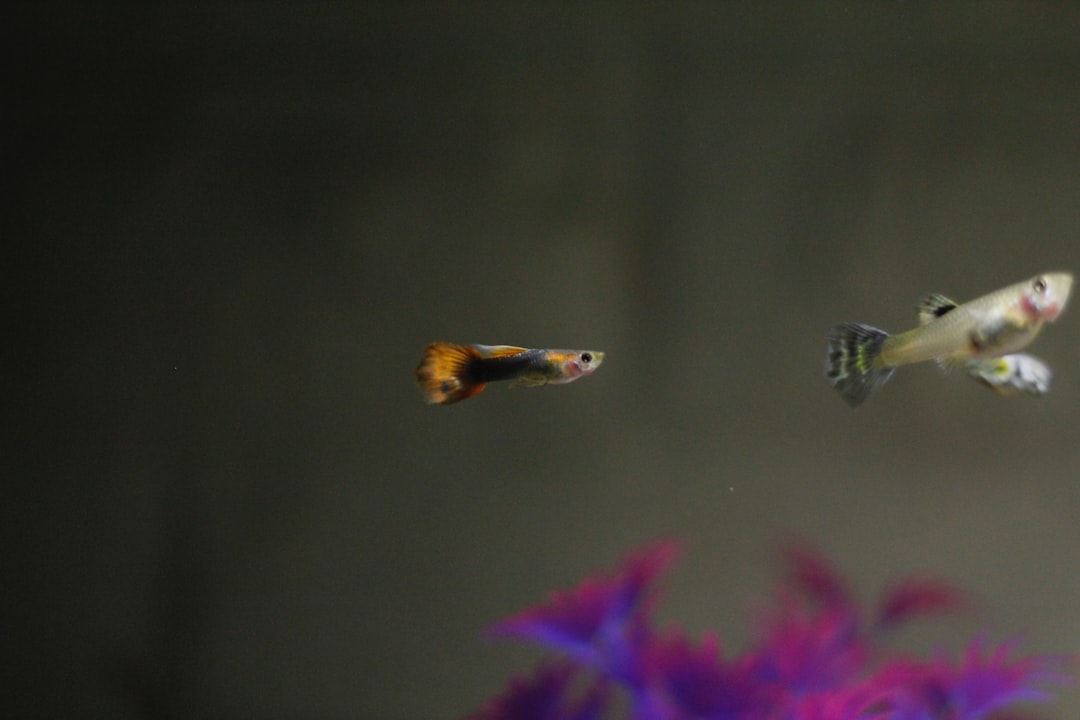
Few guppy strains command the same instant recognition as Moscow Blue. The moscow blue guppy strain traces its heritage to Russian breeding circles in the late twentieth century, where breeders selected aggressively for solid deep blue body coverage rather than the iridescent flashes typical of most blue guppy lines. This guide from Gensou Aquascaping at 5 Everton Park covers the strain’s heritage, distinguishing traits, and how Singapore breeders source and maintain show-grade stock.
Russian Breeding Heritage
Moscow Blue emerged from breeding programmes in Russia, where dedicated guppy clubs developed the strain over multiple decades. The signature trait — solid blue pigmentation extending across the entire body rather than concentrated in metallic patches — required disciplined selection from foundational stock that carried the underlying genetics. The strain spread internationally during the 1990s and 2000s, with Asian breeders adapting it for tropical conditions.
Distinguishing Traits
The defining feature of a true Moscow Blue is solid colour saturation across the entire body, head to peduncle, with deep cobalt or steel-blue tone rather than scattered iridescence. The caudal fin extends the body colour, often with darker edging. The dorsal carries the same blue saturation and matches the body. Half Black Moscow Blue variants extend deep black across the rear half while preserving solid blue forward. Body conformation favours strong shoulder mass and clean peduncle.
Variants and Sub-Strains
Moscow Blue has spawned several recognised sub-strains. The classic Solid Blue Moscow carries uniform blue across body and fins. Half Black Moscow Blue combines solid blue forward with deep black rear. Moscow Green is a related variant with green-leaning saturation. Moscow Purple and Moscow Black represent alternative colour selections from related genetic foundation. Each demands separate breeding lines, since crossing Moscow variants typically produces mixed unselected offspring.
Genetics and Breeding Approach
Achieving the solid Moscow saturation requires homozygous expression of multiple colour genes plus body modifiers that distribute pigment evenly. Random outcrossing rapidly breaks the strain. Show breeders maintain closed lines with selective inbreeding, accepting the reduced vigour that brings in exchange for trait stability. Annual outcrossing to a related Moscow line refreshes vigour without losing colour. F1 from quality parents typically carries 60-70 per cent of the parental colour standard.
Show Performance
Moscow Blue competes in AOC (Any Other Colour) classes at IFGA-standard shows. Top fish demonstrate flawless solid colour with no broken patterning, strong delta or roundtail caudal, and balanced body conformation. Singapore Guppy Club judging features Moscow lines regularly, and the strain’s dramatic visual impact makes it a popular tank-display choice even outside competitive contexts.
Sourcing in Singapore
Genuine Moscow Blue trios reach Singapore primarily through Carousell listings from active Singapore Guppy Club members and specialist Telegram breeder groups. Imports from established Asian breeders in Malaysia, Thailand and Indonesia arrive periodically through specialist channels. Iwarna Aquafarm occasionally carries Moscow stock. Set up a quality breeding system using aquarium tanks and cabinets and reliable filter media accessories.
Singapore Pricing
Show-grade Moscow Blue trios run SGD 80-200 depending on grade and pedigree. Premium imports from established Asian breeders can reach SGD 350 per trio. Half Black Moscow Blue commands slightly higher pricing due to the additional pattern complexity. Pet-shop tier guppies marketed simply as “blue” are not Moscow strain regardless of how saturated they may appear at SGD 5-10 each.
Care for Moscow Blue Stock
Moscow Blue maintenance demands stable water and quality nutrition. Plan minimum 60-litre tanks per breeding line, stable temperature 24-26°C, GH 8-12, KH 4-6, pH 7.0-7.4. Singapore tap water benefits from mineral supplementation. Diet rotation across high-quality flakes, micropellets, and live or frozen brine shrimp supports colour saturation. Use the water quality test kit range for routine monitoring and quality fish food for nutrition.
Maintaining Solid Saturation
Moscow Blue saturation responds to multiple environmental variables. Tank background colour affects perceived intensity — black or dark backgrounds maximise visual impact. Stress from overcrowding or poor water quality reduces saturation visibly within days. Avoid live-bearer mixed tanks that breed indiscriminately. Keep show males separate from breeding stock to preserve fin condition and prevent stress-related colour fading.
The Future of the Strain
Moscow Blue continues to evolve under Asian breeder development, with newer sub-strains emerging from disciplined line-breeding programmes. The Singapore breeder community contributes actively, and the strain’s foundation in established genetics provides stability that newer designer lines cannot match. For collectors building a serious guppy collection, Moscow Blue alongside Half Black and Albino lines forms the credible heritage core.
Related Reading



