Hosting Aquarium Meetup Guide: Venue and Format Tips
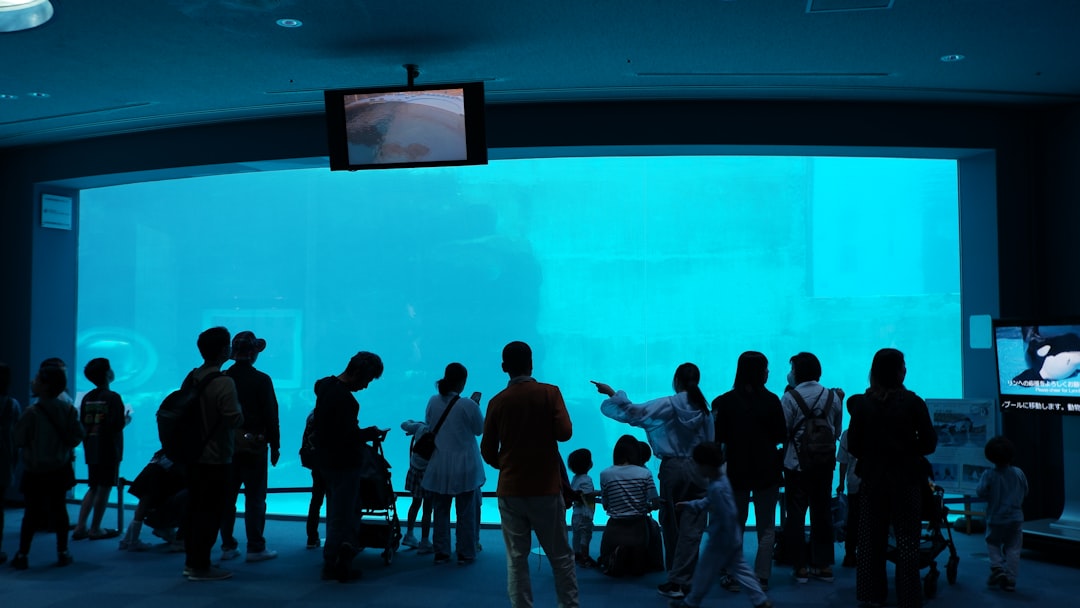
Aquarium hobbyists thrive on face-to-face conversation — swapping plants, comparing water parameters, and arguing good-naturedly about ferts rarely translates fully online. This hosting aquarium meetup guide is written for the club member or enthusiastic first-timer organising their debut gathering, drawing on events Gensou Aquascaping at 5 Everton Park has run and attended across community centres, cafés and private homes. A well-run meetup builds the local scene; a badly run one burns goodwill and personal bandwidth. The difference lies almost entirely in preparation.
Defining the Audience First
Beginners and advanced hobbyists rarely enjoy the same event. A “bring your water test kit” session bores an advanced reefer; a rimless contest-scape critique intimidates a first-time guppy keeper. Decide before announcing whether this is an entry-level social, a topical deep-dive, or a plant and fish swap — and hold that line in the event description.
Twelve to twenty attendees is the sweet spot for a first event. Any smaller and the conversation stalls; any larger and logistics spiral beyond a single host’s capacity.
Choosing a Venue
Three venue classes work in Singapore. Community centre rooms cost $15-40 per hour, come with chairs and air-conditioning, and are easy to book through PA’s online portal for residents. Cafés with private rooms (several Tiong Bahru and Joo Chiat venues welcome hobby groups) charge nothing directly but expect $15-25 per head in food and drink. Private homes are free but limit attendance and put the pressure of hosting onto one person.
For anything involving water — plant swaps, frag swaps, live plant trims — choose a venue with a floor you can mop and a sink you can access. Carpeted function rooms are a poor choice.
Picking a Format
Three formats have proven reliable. A show-and-tell round, where each attendee brings one item (a fish, a plant, a piece of equipment) and speaks for two minutes, fills 45 minutes and warms a room instantly. A single-topic talk, 20 minutes with 20 minutes of Q&A, works for experienced audiences. An open swap table with light refreshments suits casual social meetups and lets people drift in and out.
Combine two formats across a two-hour slot: a 30-minute talk, a break, and a swap table. That rhythm keeps energy up without overstaying.
Timing and Scheduling
Saturday afternoons from 2 pm to 4 pm are the reliable default — after lunch, before dinner, no clash with evening commitments. Avoid the week before Chinese New Year, the week after Hari Raya and school exam weeks. Give at least three weeks of lead time; anything shorter filters out anyone who plans their calendar in advance.
Promoting the Event
The Singapore aquascaping club scene lives on Telegram, Facebook groups and word of mouth. Post once on announcement, once three days before, and once the morning of. Include a clear RSVP channel — a Google Form or a Telegram reaction thread — to cap numbers. Asking for a token $5-10 deposit dramatically improves turnout; free events lose 30-40 % of RSVPs to last-minute no-shows.
Preparing a Run Sheet
Even casual events benefit from a one-page run sheet: arrival at 1:30 pm, welcome at 2:00, talk at 2:15, break at 2:45, swap at 3:00, close at 4:00. Share it with any co-hosts but not necessarily with attendees. The point is that you know what happens next at every moment, which lets you focus on conversations rather than watching the clock.
Handling Plant and Fish Swaps
Swaps need rules, printed and visible. Bagged only, labelled with scientific name, quantity and any parasite or snail history. No wild-caught fish without provenance. No corals or livestock without a quarantine declaration. Provide a dedicated table away from food and drinks, and assign one volunteer to police it. A bad swap introduces planaria or bee-shrimp disease across half a dozen tanks and destroys trust for years.
Reference the fish trade and swap conventions already used in the local community to stay consistent with attendee expectations.
Refreshments and Budget
Keep it simple: bottled water, one or two snack platters, coffee if the venue provides it. Budget $3-6 per head and announce up front whether you are collecting contributions or covering it yourself. Avoid anything messy near tanks and plants — no curries, no soup, nothing that stains fabric.
Speakers and Demos
If you invite a guest speaker, brief them in writing: audience level, time slot, tech available (projector, HDMI, microphone), and preferred style. Send reminders two weeks and two days before. Always have a backup plan — a short demo you can run yourself — in case a speaker cancels on the day. A live aquascape demo with a small 30 cm tank is dramatic, visual and forgiving of interruptions.
Recording, Photography and Consent
Ask verbally at the start of the event whether anyone objects to photos or video. Post any photos to a shared album and tag attendees so they feel part of the scene. This becomes your best marketing for the next meetup and gently builds a community record over time.
Post-Event Wrap-Up
Within 48 hours, send a short thank-you message in the group with two or three highlights, a link to the photo album, and a teaser for the next meetup. Ask for one-line feedback. This thirty-minute habit turns a single event into a recurring series — which is the real goal of any first-time host.
Related Reading