How to Photograph Your Aquascape for Competition Entry
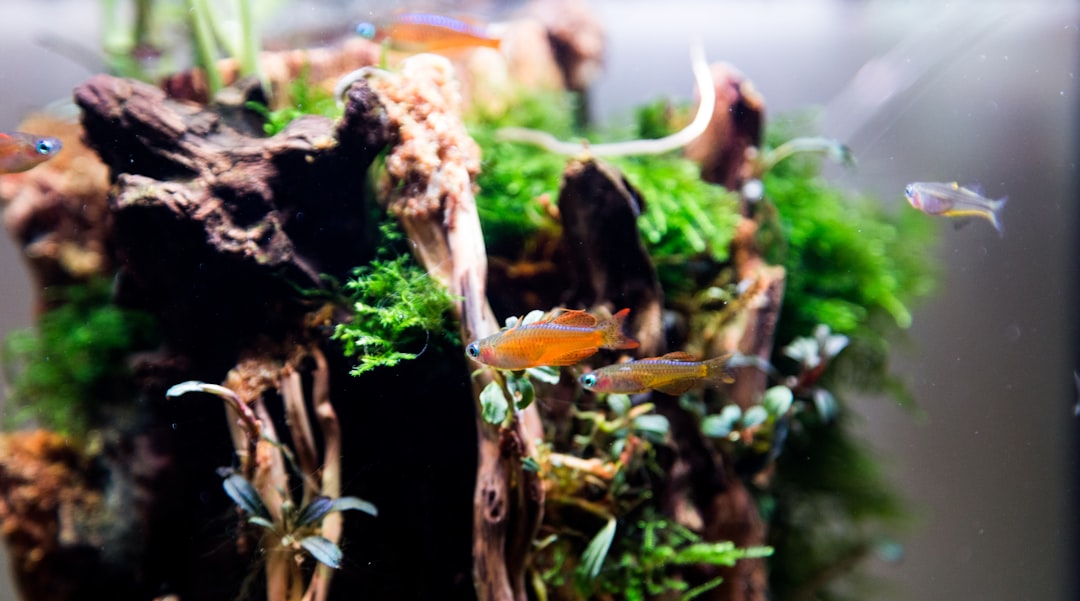
You have spent months perfecting your aquascape — now you need a photograph that does it justice. A strong photograph aquascape competition guide can mean the difference between a first-round elimination and a podium finish, because judges evaluate your work primarily through images. Gensou Aquascaping Singapore has submitted entries to IAPLC, AGA, and regional competitions over our 20-plus years in the hobby, and we can tell you that photography technique matters almost as much as the aquascape itself.
Preparation Before the Shoot
Start preparing your tank 48 hours before photographing. Perform a thorough water change to maximise clarity. Clean all glass surfaces — inside and outside — with a magnetic cleaner and a microfibre cloth. Remove any visible equipment: heaters, thermometers, airline tubing, and filter intake pipes if possible. Trim overgrown stems and remove dead leaves. Top up the water level to just below the rim so no waterline is visible. These details seem minor but judges notice every one of them.
Camera and Lens Selection
A DSLR or mirrorless camera with a standard zoom lens (24-70 mm or equivalent) produces the best competition images. Shoot at a focal length of 50-70 mm to minimise wide-angle distortion that warps the edges of your layout. If you only have a smartphone, use the 2x telephoto lens rather than the main wide-angle camera — this flattens perspective and presents the scape more faithfully. Mount your camera on a tripod positioned at the exact centre of the tank, level with the substrate midpoint.
Lighting Your Aquascape
Turn off all room lights and use only your tank fixture for illumination. This eliminates reflections on the glass and ensures the aquascape is the sole light source in the image. If reflections persist, hang a black sheet or board behind the camera to block anything reflecting in the glass. Set your tank light to full-spectrum daytime mode — avoid excessively blue or coloured presets that distort plant colours. Consistent, even illumination across the entire layout is essential.
For reef aquascapes, some competitions accept both white-light and blue-actinic shots. Check the submission guidelines carefully. White light shows structure and natural colour, while actinic highlights fluorescence — both have their place.
Camera Settings
Shoot in manual mode or aperture priority. Set aperture to f/8-f/11 for maximum depth of field, ensuring both foreground and background are sharp. Keep ISO as low as possible — 100-400 — to minimise noise. Use a slow shutter speed of 1/15 to 1/2 second on a tripod; the slight motion blur on swaying plants adds a natural, living quality. Shoot in RAW format for maximum editing flexibility later. Disable flash entirely — it creates hotspots and harsh reflections that ruin aquascape images.
Composition and Framing
Most competitions require a full-tank front-on shot, but framing still matters within that constraint. Centre the camera precisely — even a 2 cm offset is noticeable. Ensure the tank edges are perfectly parallel with the image frame. Leave a thin, even border of black around the tank if the background is dark, or crop tight to the glass edges. Some competitions allow additional detail shots; if so, capture close-ups of your focal point, a compelling plant grouping, or a particularly well-executed rock formation.
Post-Processing Tips
Keep editing subtle and honest. Adjust white balance to match what you see in person — tank lights often produce colour casts that cameras exaggerate. Increase contrast slightly to make the layout pop. Correct lens distortion in Lightroom or equivalent software. Sharpen moderately. Do not clone out fish, equipment marks, or algae — competition judges are experienced enough to spot manipulation, and some contests explicitly ban it. The goal is an image that represents your aquascape accurately at its best moment.
Common Mistakes to Avoid
Fingerprints on the glass, visible waterlines, floating debris, and crooked framing account for the majority of weak competition photos. Equipment left in the tank — even a small suction cup — distracts the eye. Overprocessed images with unnatural saturation or HDR effects look amateurish. Shooting with room lights on creates ghostly reflections of your furniture, ceiling fan, or yourself holding the camera. Take the time to eliminate these issues, and your aquascape will speak for itself.
Related Reading