How to Aquascape a 60cm Tank: Step-by-Step First Layout

Table of Contents
- Why the 60cm Tank Is the Best Starting Size
- Complete Equipment List
- Substrate Setup
- Hardscape Design: Dry Layout
- Planting Plan
- Filling and Cycling
- Adding First Livestock
- Timeline and Budget
- Frequently Asked Questions
Why the 60cm Tank Is the Best Starting Size
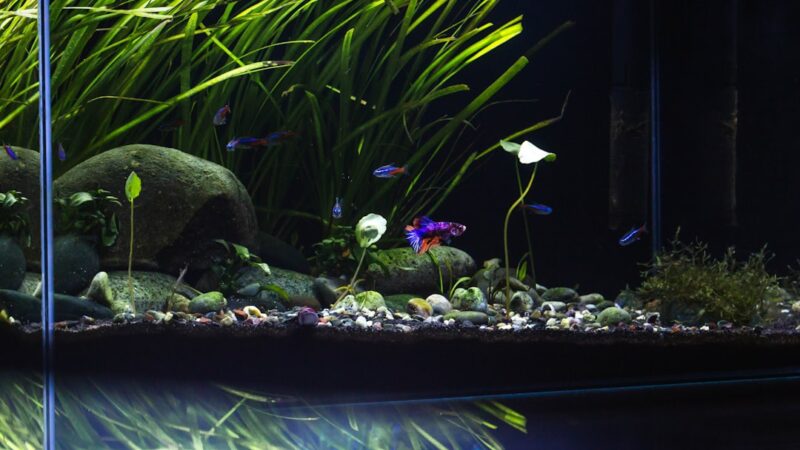
The 60 cm tank (typically 60 x 30 x 36 cm, holding approximately 60 to 65 litres) is the most popular size for aquascaping worldwide. It is large enough for proper depth and perspective, yet small enough to fit on a standard desk or shelf in an HDB flat or condo. Water volume is sufficient for stable parameters without constant monitoring, and equipment costs remain reasonable.
For first-time aquascapers in Singapore, this guide walks you through every step from empty tank to mature layout. If you are new to aquascaping concepts, start with our aquascaping for beginners guide first.
Complete Equipment List
| Item | Recommendation | Cost (SGD) |
|---|---|---|
| Tank | 60 x 30 x 36 cm rimless glass | $60-120 |
| Light | LED, 30-50W full spectrum (Chihiros WRGB II, Twinstar) | $80-250 |
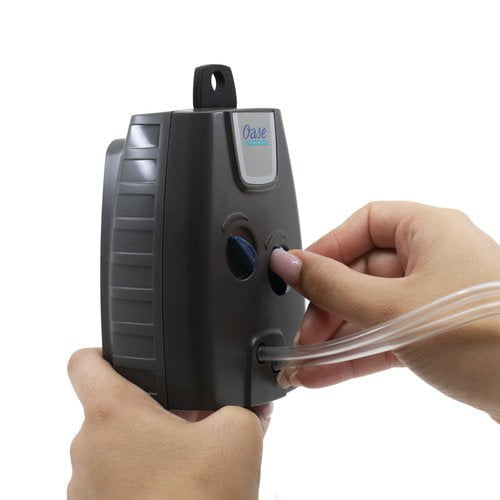
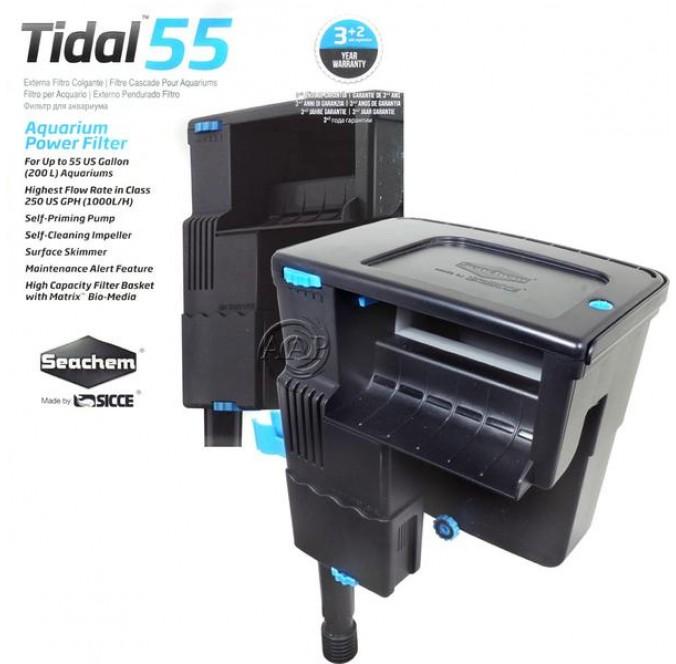
| Filter | Canister, 60-120 litres (Oase BioMaster 250, Eheim Classic 250) | $80-180 |
| CO2 system | Pressurised with regulator, solenoid, diffuser (2 kg cylinder) | $120-200 |
| Substrate | ADA Amazonia Ver. 2 or Tropica Soil (2-3 kg) | $30-50 |
| Hardscape | Stone or driftwood (3-5 kg) | $30-80 |
| Plants | 5-7 species, tissue culture and potted | $40-80 |
| Tools | Curved scissors, tweezers, substrate spatula | $20-40 |
| Water conditioner | Seachem Prime (treats PUB chloramine) | $12-18 |
Optional extras include a digital timer ($8-15) for automating lights and CO2, a drop checker ($10-15) for monitoring CO2 levels, glass lily pipes ($30-80) for aesthetics, and a clip-on fan ($15-30) for Singapore’s warmest days.
Substrate Setup
- Base layer (optional): If building height at the back, lay 2 to 3 cm of pumice or lava rock granules as lightweight filler.
- Nutrient substrate: Pour 2 to 3 kg of aquasoil. Slope from 3 cm at the front to 6 to 8 cm at the back. This slope is critical for creating depth.
- Cosmetic sand (if using): Add after placing hardscape. Separate from soil using small stones or buried plastic strips.
Hardscape Design: Dry Layout
Arrange hardscape with the tank empty. This “dry layout” is the most important creative step in the process.
Stone-Based Layout
- Select one focal stone as your largest, most striking piece.
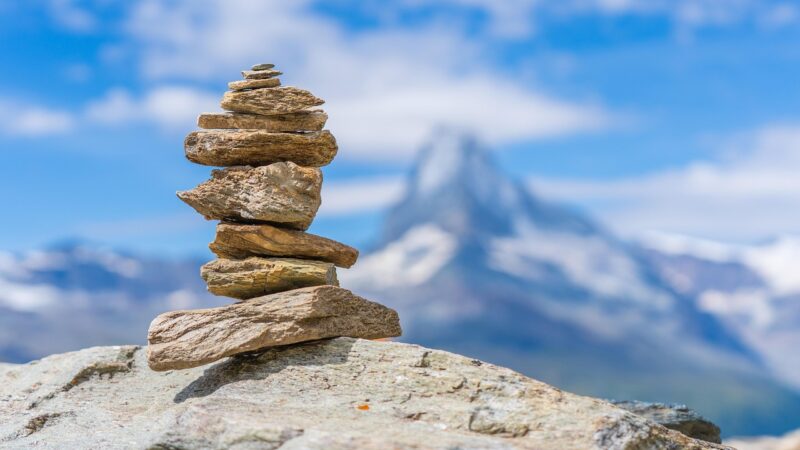
- Place it off-centre at a rule-of-thirds intersection point.
- Add two to three smaller accent stones, all leaning in the same direction.
- Bury the bottom third of each stone for a grounded, natural appearance.
Wood-Based Layout
- Choose one piece of driftwood with an interesting shape as the main element.
- Position with branches reaching in one dominant direction.
- Add one or two accent stones at the base to anchor the composition.
Squint at your dry layout from the front. The hardscape should read as a clear, simple shape: a triangle, island or valley. If it looks like a random scatter, rearrange until the silhouette is clean.
Planting Plan
Five to seven species is ideal. More creates a chaotic look and complicates maintenance.
| Position | Species | Role |
|---|---|---|
| Foreground carpet | Monte Carlo | Low-growing green carpet |
| Foreground accent | Cryptocoryne parva | Tiny rosettes for texture |
| Midground | Staurogyne repens | Bushy, fills gaps |
| Background | Rotala rotundifolia | Fast-growing green-pink stems |
| Background (colour) | Ludwigia palustris Super Red | Red contrast |
| Epiphyte | Anubias nana Petite | On hardscape, dark green |
| Epiphyte | Christmas moss | Covers wood/stone edges |
All species listed tolerate Singapore’s 28 to 32 degrees Celsius without a chiller. Monte Carlo is more reliable than HC Cuba at higher temperatures.
Planting Tips
- Use tissue culture cups where possible for pest-free, generous portions.
- Plant stems in small bunches of three to five, spaced 2 to 3 cm apart.
- Attach epiphytes to hardscape with super glue gel (cyanoacrylate).
- Plant the carpet last, pressing small portions into substrate with tweezers at 2 cm intervals.
Filling and Cycling
Filling
- Lay cling film over the substrate to diffuse water flow.
- Fill slowly, pouring onto the cling film to avoid disturbing plants.
- Treat water with Seachem Prime to neutralise PUB chloramine.
- Turn on filter and CO2. Set lights to six hours per day initially.
Cycling Timeline
| Period | What Happens | Action |
|---|---|---|
| Week 1-2 | High ammonia, diatom algae | 50% water change every other day |
| Week 2-3 | Ammonia drops, nitrite rises | Water change every 2-3 days |
| Week 3-4 | Nitrite drops, nitrate appears | Water change twice weekly |
| Week 4-6 | Ammonia and nitrite at zero | Tank cycled, safe for livestock |
In Singapore’s warm water, cycling is often slightly faster as beneficial bacteria reproduce more quickly at higher temperatures. Use a liquid test kit (API Master Test Kit, around $35 SGD) to confirm completion.
Adding First Livestock
- Week 5-6: Clean-up crew. 5 to 8 Amano shrimp and 3 to 5 Nerite snails.
- Week 7-8: First schooling fish. 8 to 12 cardinal tetras, ember tetras or celestial pearl danios.
- Week 9-10: Final additions if desired. 4 to 6 more of the same species or a group of Corydoras habrosus.
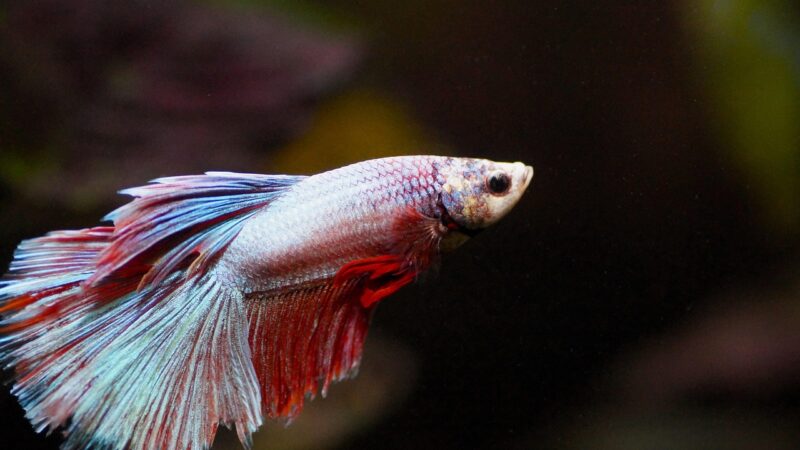
A 60 cm tank comfortably supports 15 to 20 small fish plus a shrimp crew. In Singapore’s warm water, dissolved oxygen is lower, so err on the side of fewer fish.
Timeline and Budget
Timeline to Maturity
- Day 1: Layout complete, tank filled
- Week 2-4: Stems begin growing, carpet spreads, algae phases start
- Month 1-2: Plants root firmly, first trim needed
- Month 2-4: Carpet thickens, background fills in
- Month 3-6: Layout fully mature, colours intensify
Budget Breakdown (SGD)
| Category | Range (SGD) |
|---|---|
| Tank | $60-120 |
| Light | $80-250 |
| Filter | $80-180 |
| CO2 system | $120-200 |
| Substrate | $30-50 |
| Hardscape | $30-80 |
| Plants | $40-80 |
| Tools and accessories | $40-80 |
| Total | $480-840 |
A budget of $500 to $800 covers most setups comfortably. Buy the tank, substrate and hardscape locally; ordering lights and CO2 gear online often yields the best value.
Frequently Asked Questions
Do I need CO2 for a 60cm aquascape?
CO2 is not strictly necessary, but it makes a dramatic difference in plant growth, colour and carpet formation. Without CO2, stick to easy plants like Anubias, Java fern, Cryptocorynes and mosses. With CO2, you can grow demanding carpets and colourful stems. For a first aquascape in Singapore where warmth already challenges some plants, CO2 gives you the best chance of success.
How long should I run the lights each day?
Start with six hours per day for the first month to minimise algae while plants establish. Gradually increase to seven to eight hours by month two or three. Never exceed eight hours. Position your tank away from windows receiving direct sunlight, as ambient room light adds to total exposure.
Can I skip cycling and add fish immediately?
No. Adding fish to an uncycled tank exposes them to toxic ammonia and nitrite. ADA Amazonia releases significant ammonia during the first two to four weeks, making it especially dangerous. The cycling period is non-negotiable. Use this time to fine-tune CO2 levels and address early algae.
Start Your First Aquascape With Gensou
Setting up your first 60 cm aquascape is exciting but can feel overwhelming. At Gensou Aquascaping, we have helped hundreds of Singapore hobbyists create their first layouts. Visit our studio at 5 Everton Park to see mature setups, hand-pick your hardscape and get personalised advice. Explore our aquascaping services or contact us to begin.
Related Reading