
How to Breed Bristlenose Plecos: Cave Spawning and Fry Care
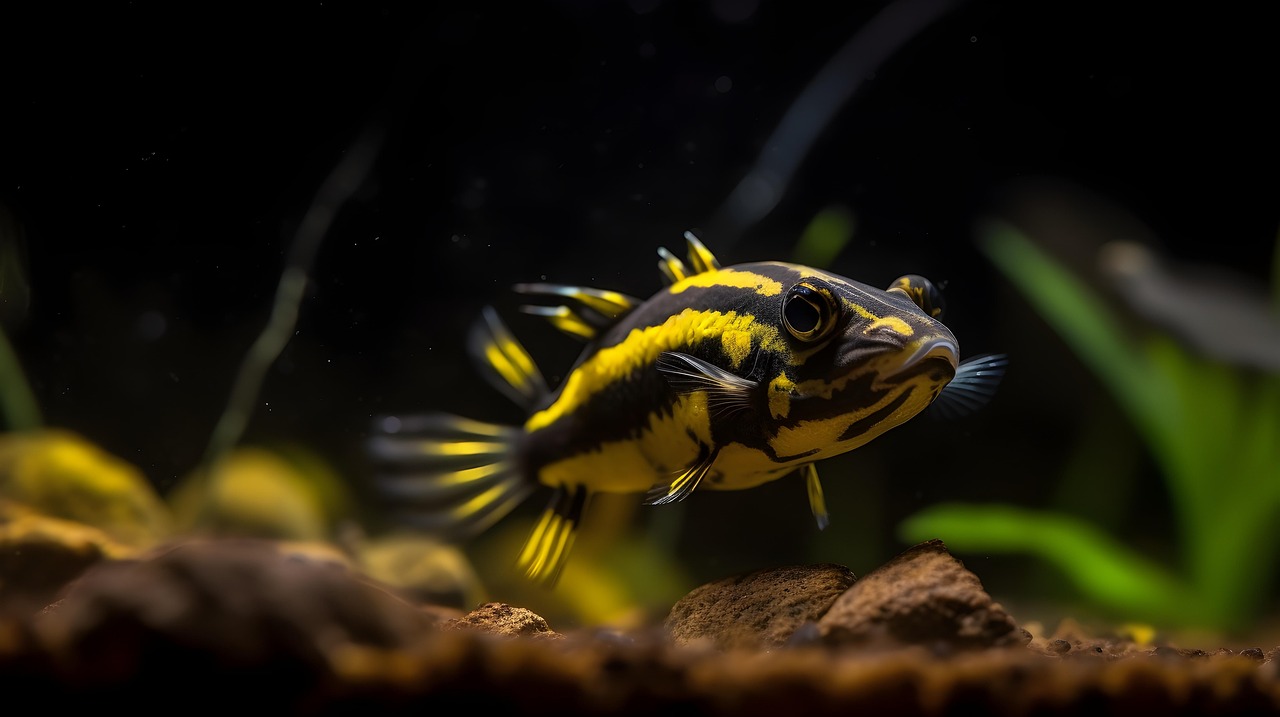
Bristlenose plecos are among the most reliably breedable freshwater fish in the hobby, yet success depends on getting a few key details right. Knowing how to breed bristlenose pleco pairs starts with understanding their cave-spawning behaviour and the male’s dedicated role as egg guardian. At Gensou Aquascaping, 5 Everton Park, Singapore, we have bred Ancistrus species through multiple generations and can confirm that with the right setup, these endearing algae eaters practically breed themselves. Here is how to set the stage and raise the fry successfully.
Sexing Bristlenose Plecos
Males develop prominent fleshy tentacles (bristles) on the upper lip and snout from around 6 months of age, becoming more elaborate as they mature. Females may have small bristles along the lip margin but never the prominent forked growths seen on males. Males also tend to have broader, flatter heads when viewed from above. Purchase a group of at least four juveniles to ensure you have both sexes. By 8-10 months old, sexing becomes straightforward, and you can pair accordingly.
Breeding Tank Setup
A dedicated breeding tank of 80-120 litres works well for a single breeding pair or trio (one male, two females). Include multiple caves made from coconut shells, PVC pipes (25-40 mm diameter), ceramic tubes or purpose-built pleco caves available at local aquarium shops for $5-$12 SGD each. The cave opening should be just large enough for the male to enter with a snug fit; this is deliberate, as males prefer tight enclosures they can defend. Position caves against the back or side glass for easy inspection. Add driftwood for grazing and a sponge filter for gentle, fry-safe filtration.
Water Conditions That Trigger Spawning
Bristlenose plecos breed readily in a range of conditions, but certain triggers increase the frequency of spawning. Temperature of 25-27 degrees Celsius is optimal, slightly below Singapore’s ambient range, so a small fan directed at the water surface can help. A large, cool water change of 30-50% using dechlorinated PUB tap water a few degrees cooler than the tank temperature mimics seasonal rain and often triggers spawning within 48-72 hours. Maintain pH at 6.5-7.2 and keep nitrate below 20 ppm. Well-fed, healthy fish in clean water spawn regularly, sometimes every four to six weeks.
The Spawning Process
The male selects and cleans a cave, then courts females by fanning his fins at the entrance. A receptive female enters and deposits 20-80 bright orange eggs in a cluster on the cave ceiling or walls. After fertilisation, the male drives the female out and assumes sole responsibility for egg care. He fans the eggs continuously with his fins to maintain oxygen flow and removes any that develop fungus. Do not disturb the male during this period. Checking on eggs can cause him to abandon or eat them. Trust the process; male bristlenose plecos are outstanding fathers.
Egg Development and Hatching
Eggs hatch in 4-7 days at 26 degrees Celsius. Newly hatched fry remain attached to their yolk sacs and stay clustered inside the cave under the male’s protection for a further 3-5 days. The male continues fanning and guarding during this period. Once the yolk sac is fully absorbed, fry begin leaving the cave to graze on biofilm-covered surfaces. At this stage, they are roughly 10-12 mm long and immediately recognisable as tiny plecos. The male’s parental duties end once fry disperse.
Feeding and Raising Fry
Bristlenose fry are not difficult to feed. They graze on biofilm, algae and mulm from the moment they leave the cave. Supplement with blanched zucchini slices, spirulina wafers crushed into small pieces and speciality fry foods. Driftwood in the tank provides essential cellulose that aids their digestion. Feed small amounts twice daily and remove uneaten vegetables within 12 hours to prevent water fouling. Growth rate depends on food quality and water change frequency. With daily feeding and 25% water changes three times per week, fry reach 3-4 cm within two months.
Managing Multiple Broods
A productive breeding pair can spawn every four to six weeks, quickly overwhelming a small tank with fry. Plan your outlet before you begin breeding. Local aquarium shops may accept juvenile bristlenose plecos once they reach 3-4 cm, though prices are modest at $2-$5 SGD each. Carousell and local hobbyist Facebook groups are effective platforms for rehoming surplus fry in Singapore. If you are breeding colour variants like longfin, super red or albino bristlenose, demand and prices are higher. Separate colour morphs to maintain strain purity.
Common Breeding Problems
Males eating eggs is the most frequent complaint. This usually occurs when the keeper disturbs the cave too often or when water quality is poor, signalling to the male that conditions are unsuitable for fry survival. Fungused eggs indicate insufficient water flow inside the cave or the presence of infertile eggs in the clutch. Adding a small airstone near the cave entrance can improve circulation without disturbing the male. If a male consistently fails to guard eggs, try a different male. Learning how to breed bristlenose pleco pairs successfully sometimes requires patience with individual temperaments, but once a reliable pair bonds with a preferred cave, production becomes remarkably consistent.
Related Reading
- How to Breed Amano Shrimp: The Brackish Water Challenge
- How to Breed Angelfish: Pairing, Spawning and Raising Fry
- How to Breed Aphyosemion Killifish: Non-Annual Egg Layers in Planted Tanks
- How to Breed Cherry Shrimp: From Colony to Colours
- How to Breed Convict Cichlids: The Easiest Cichlid for Beginners



