
How to Cool a Fishroom in Singapore: Fans, Chillers and Ventilation
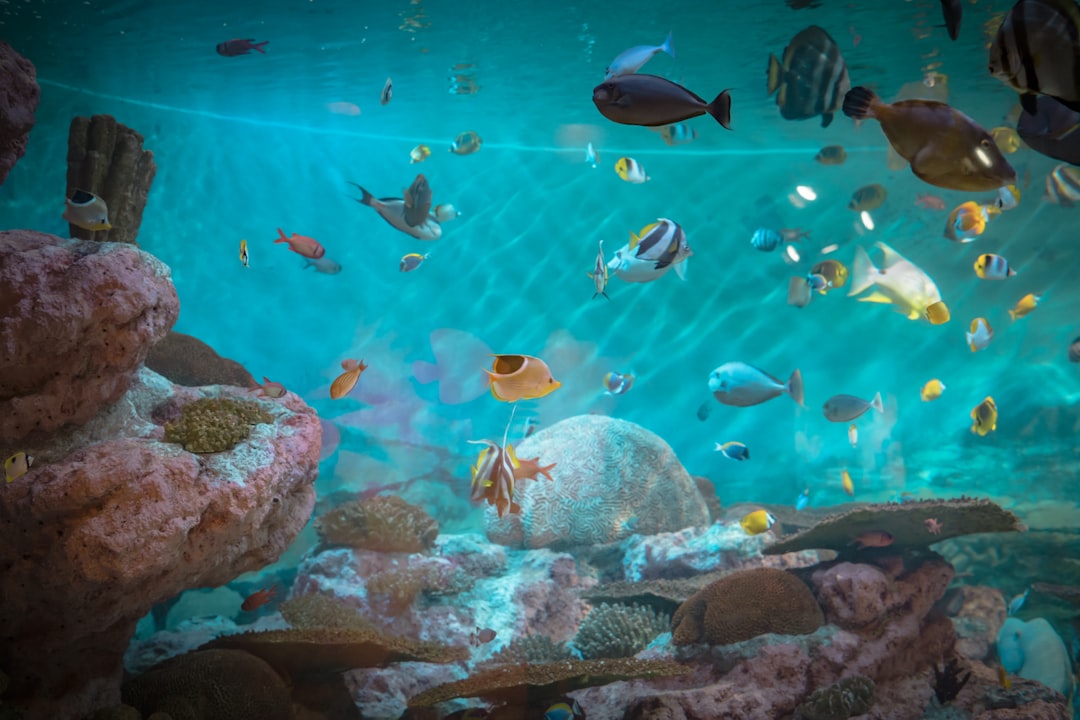
Singapore’s year-round heat poses a genuine challenge for hobbyists running multiple tanks in an enclosed room. Knowing how to cool fishroom Singapore setups effectively is the difference between thriving livestock and chronic stress-related losses. At Gensou Aquascaping, 5 Everton Park, Singapore, we have maintained fishrooms through every sweltering month and, with over 20 years of experience, can share what actually works in our climate.
Why Cooling Matters
Ambient temperatures in Singapore typically sit between 28 and 32 degrees Celsius, rising higher in rooms packed with pumps, lights and warm water. Most tropical fish tolerate 26-30 degrees Celsius comfortably, but sustained temperatures above 31 degrees reduce dissolved oxygen, accelerate bacterial growth and stress sensitive species like crystal shrimp, discus and hillstream loaches. Even hardy species breed less reliably when kept at the upper edge of their thermal range.
Clip-On and Standing Fans
Evaporative cooling with fans is the cheapest first line of defence. A clip-on aquarium fan blowing across the water surface lowers tank temperature by 2-4 degrees Celsius through evaporation. For a fishroom, a standing oscillating fan directed across multiple open-top tanks achieves the same effect at room scale. The trade-off is increased evaporation, sometimes 1-2 cm of water level drop per day, which concentrates dissolved minerals and requires frequent top-ups with dechlorinated PUB tap water.
Fans work best when ambient humidity is moderate. During prolonged rainy spells when humidity exceeds 90 percent, evaporative cooling becomes far less effective.
Aquarium Chillers
For species that demand temperatures below 25 degrees Celsius, such as axolotls, certain Caridina shrimp strains and some killifish, a dedicated aquarium chiller is essential. Inline chillers from brands like Hailea, Teco and JBJ are available in Singapore from $250-$800 depending on capacity. A unit rated for 500 litres is sufficient for a single large tank or two to three smaller ones plumbed in series through a shared sump.
Chillers generate heat from their compressor, which must be exhausted somewhere. Placing a chiller inside the fishroom without venting its hot exhaust defeats the purpose. Duct the warm air out through a window or wall vent, or locate the chiller in an adjacent space.
Room Air-Conditioning
Running a room aircon set to 24-25 degrees Celsius is often more energy-efficient than multiple individual tank chillers, especially if you maintain six or more tanks. A standard split-unit rated at 9,000-12,000 BTU handles a fishroom of 10-15 square metres. Electricity costs increase, of course; expect an additional $80-$150 per month depending on run time and unit efficiency.
The key advantage is uniform temperature across every tank. This simplifies breeding programmes, reduces disease outbreaks linked to thermal fluctuation, and eliminates the noise of multiple chiller compressors.
Ventilation and Airflow Design
Even with cooling equipment, proper airflow prevents pockets of stagnant hot air from forming. Install an exhaust fan rated for the room’s volume near the ceiling to draw warm, humid air out. Position an intake vent or louvred window on the opposite wall near floor level to create cross-flow. In windowless storerooms or bomb shelters, ducted ventilation through the ceiling void is the only viable option and should be planned before the room is fitted out.
Reducing Heat at the Source
LED lighting generates far less heat than older T5 or metal halide fixtures. Switching to LEDs across all tanks can reduce ambient room temperature by 1-2 degrees. Energy-efficient DC return pumps run cooler than AC equivalents. Keeping light schedules to eight hours or less and staggering them so not all banks illuminate simultaneously further limits peak heat output.
Insulating the room ceiling with reflective foil-backed insulation also helps, particularly if the fishroom is directly beneath a sun-exposed roof.
Monitoring Temperature
Digital thermometers with external probes cost under $10 each on Shopee and provide accurate readings. Place one probe in a representative tank and another measuring ambient room temperature. Wi-Fi-enabled monitors from brands like Inkbird can send alerts to your phone if temperatures exceed a threshold, giving you time to intervene before livestock suffers.
Putting It All Together
Start with passive measures: good ventilation, LED lighting and fans. If those keep your tanks below 30 degrees Celsius, you may not need anything more for common tropical species. For cooler requirements, invest in a room aircon or targeted chillers with proper exhaust routing. A well-cooled fishroom in Singapore is entirely achievable with planning, and the team at Gensou Aquascaping is always available to advise on the specifics of your setup.
Related Reading
- How to Keep Pond Water Cool in Singapore: Shade, Depth and Aeration
- Active vs Inert Substrate: Which Is Right for Your Planted Tank?
- ADA Fertiliser System Guide: Brighty K, Green Brighty and Step Series
- Advanced Shrimp Selective Breeding: Line Breeding, Culling and Colour Fixing
- Alternanthera Reineckii Care Guide: Bold Red Without CO2



