How to Create a Natural River Aquascape: Current, Rocks and Sand
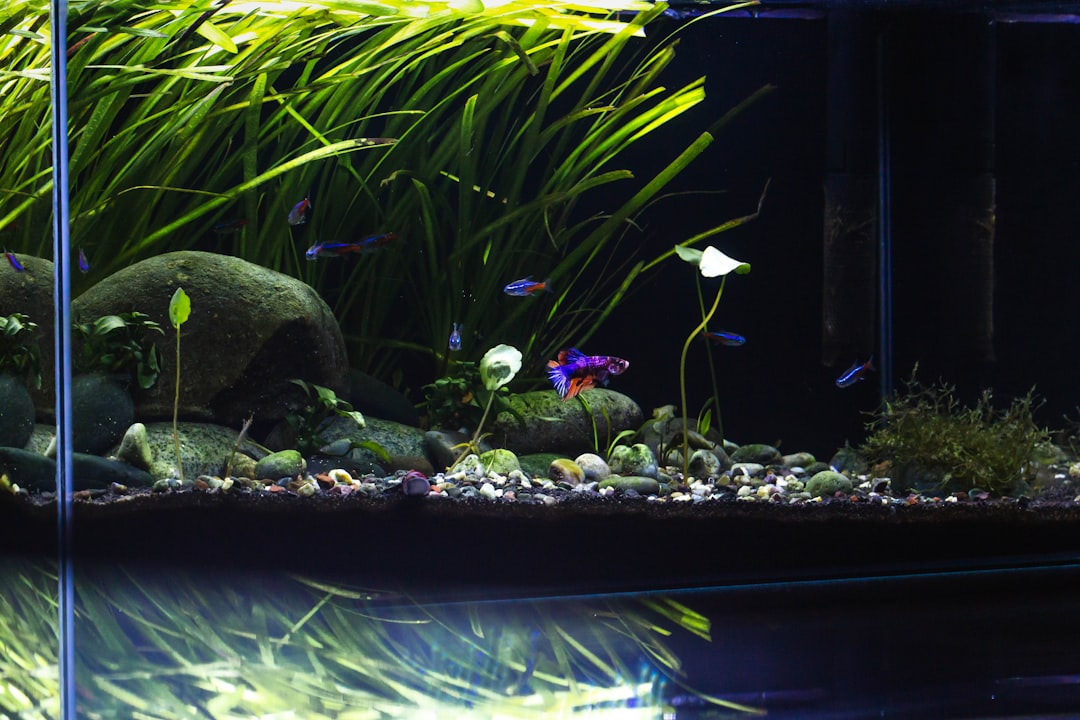
Rivers move. That fundamental fact shapes everything about a river-style aquascape — from substrate choice to plant species to the fish that inhabit it. A natural river aquascape guide must address flow dynamics as seriously as aesthetics, and that is exactly what this article from Gensou Aquascaping Singapore delivers, informed by over 20 years of design work at 5 Everton Park.
What Sets a River Scape Apart
Most planted aquascapes simulate still or slow-moving water — ponds, swamps, lakes. A river aquascape deliberately introduces noticeable current, uses rounded river stones as the dominant hardscape, and features sand or fine gravel that shifts and settles naturally around obstacles. The result feels alive in a way that static layouts cannot match.
Tank Shape and Size
Long, shallow tanks work best. A 90 x 30 x 30 cm (roughly 80 litres) or 120 x 30 x 30 cm (roughly 108 litres) tank gives you length for current to develop and dissipate realistically. Standard rectangular dimensions suit the purpose — tall, narrow tanks cannot replicate the horizontal flow rivers produce.
In Singapore’s HDB flats, an 80-litre tank on a proper aquarium stand is manageable. Confirm the floor can handle the weight — approximately 100 kg all-in — especially on upper floors of older blocks.
Creating Realistic Current
A powerhead or wavemaker positioned at one end drives water lengthwise through the tank. Aim for moderate, directional flow — roughly 10–15 times tank volume per hour turnover from the circulation pump alone. The Hydor Koralia Nano or a small Jebao wavemaker offers adjustable flow at $25–$45 on Lazada.
Return flow happens naturally as water circles back along the bottom and sides. Place hardscape to create eddies — calm pockets behind large stones where fish can rest and food can accumulate. This mimics real river hydraulics, where organisms congregate in low-energy zones.
Substrate: Sand and Gravel
Fine river sand (1–2 mm grain) is the primary substrate. Coarser gravel (3–5 mm) mixes naturally around stone bases where current deposits heavier particles. Use light-coloured sand — it reflects light upward, brightening the tank, and contrasts beautifully with dark river stones.
Keep the substrate layer thin: 2–3 cm at most. Deep sand beds become anaerobic in high-flow tanks. The current will redistribute sand over time, creating natural dunes and exposed patches — embrace this rather than fighting it.
Hardscape: Rounded River Stones
Smooth, water-worn stones are essential for authenticity. Collect locally (with permission) or purchase from aquascaping suppliers — they are usually sold as “river rock” or “pebble stone” at $5–$15 per kg. Vary sizes dramatically: a few large anchor stones (10–20 cm), medium pieces (5–10 cm), and scattered small pebbles (1–3 cm).
Arrange stones in groups rather than evenly distributing them. In real rivers, rocks cluster where current deposits them against obstacles. Leave open sandy stretches between groups — these open lanes become the visual pathways that give the layout energy and direction.
Plant Selection for Flow
Most delicate stem plants cannot tolerate strong current. Choose species that anchor firmly and have streamlined or sturdy leaves:
- Vallisneria spiralis: Long, ribbon-like leaves that flow dramatically in current.
- Microsorum pteropus (java fern): Attach to stones; fronds sway without uprooting.
- Anubias species: Low-profile, firmly attached, virtually indestructible in flow.
- Bolbitis heudelotii (African water fern): Thrives attached to rocks in moving water.
Plant in the calmer zones behind stones or along the tank’s side edges where flow is weakest. Foreground areas with strong current are best left as bare sand.
Fish for a River Biotope
Rheophilic (current-loving) species complete the picture. Hillstream loaches (Sewellia, Gastromyzon) are the poster fish — their flattened bodies grip stones in fast water. White cloud mountain minnows, danios, and small barbs are active swimmers that look natural in a current. Corydoras species forage happily on sandy river beds, sifting through grains for food.
Avoid long-finned or slow-swimming fish. Bettas, fancy guppies, and angelfish cannot cope with sustained flow and will exhaust themselves.
Maintenance Considerations
Detritus accumulates in eddies behind stones — vacuum these spots during weekly water changes using a gravel vacuum. Clean powerhead impellers monthly to maintain consistent flow. Sand substrate is self-cleaning in the main current lanes, but dead spots need manual attention.
Building a natural river aquascape requires thinking about water as an active design element, not just a medium. The movement, the sound of gentle current, and the sight of fish effortlessly holding station against the flow create a living scene that flat-water tanks cannot replicate. Gensou Aquascaping has installed river-style layouts in Singapore homes and commercial spaces that captivate visitors precisely because they feel dynamic.
Related Reading