
How to Lower Nitrate in a Planted Tank: 7 Proven Methods
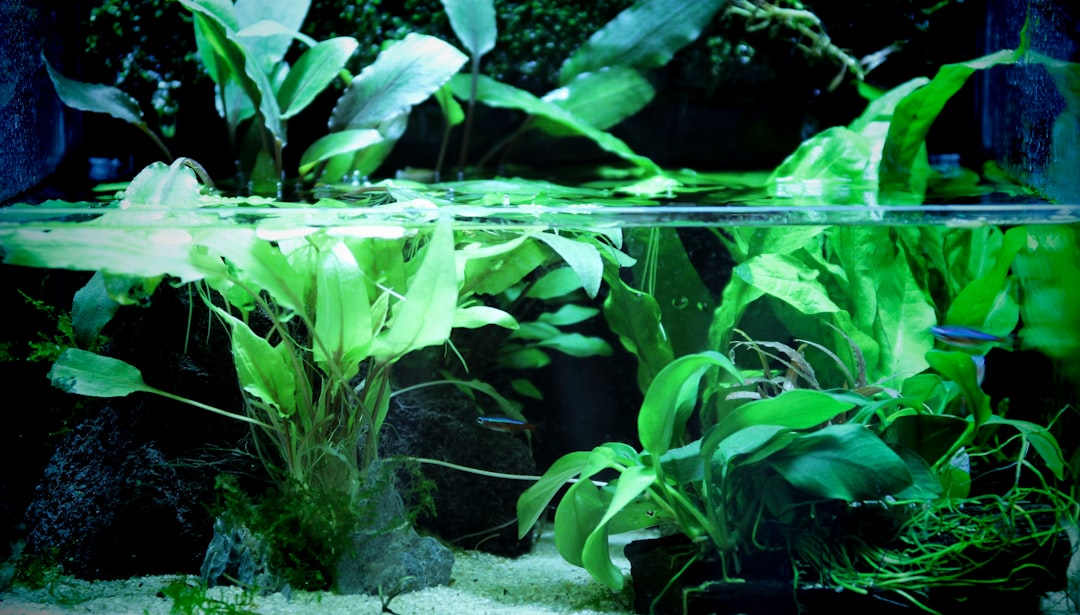
Nitrate is the end product of the nitrogen cycle and accumulates steadily in every aquarium. While planted tanks consume some nitrate as fertiliser, high levels above 40 ppm promote algae growth and stress fish. This guide from Gensou Aquascaping at 5 Everton Park presents seven proven methods to lower nitrate in a planted tank.
Method 1: Larger or More Frequent Water Changes
The most direct and reliable method. If your nitrate rises from 0 to 40 ppm between weekly 25 per cent water changes, increase to 50 per cent weekly or do two 25 per cent changes per week. Each water change replaces nitrate-laden water with fresh, low-nitrate tap water. Singapore’s tap water typically contains less than 5 ppm nitrate. For heavily stocked tanks, twice-weekly changes may be necessary to maintain safe levels.
Method 2: Add Fast-Growing Plants
Plants absorb nitrate as a nitrogen source for growth. Fast-growing species consume the most: floating plants (Salvinia, Amazon Frogbit, Duckweed), stem plants (Hornwort, Water Sprite, Hygrophila, Rotala) and emergent plants (Pothos with roots in water). A densely planted tank with fast growers can consume 10–20 ppm nitrate per week. This is the most natural and effective long-term solution — the plants do the work for you.
Method 3: Reduce Feeding
Every gram of food that enters your tank eventually becomes nitrate. Most hobbyists overfeed significantly. Try feeding once daily instead of twice, using smaller portions. Fast your fish one day per week. Switch to high-quality foods that produce less waste — cheap foods contain more fillers that pass through fish undigested, creating more waste. A reduction in feeding is often the simplest single change that brings nitrate under control.
Method 4: Reduce Stocking
More fish means more waste means more nitrate. If your nitrate is persistently high despite water changes and good feeding habits, your tank may simply be overstocked. Consider rehoming some fish to reduce the bioload. As a rough guide, one centimetre of slim-bodied fish per two litres of water is a reasonable starting point for a planted tank.
Method 5: Clean the Substrate
Detritus trapped in the substrate slowly decomposes and releases nitrate. Vacuum the open areas of substrate during water changes using a gravel cleaner. In planted areas, hover the siphon above the substrate surface to pick up loose debris without disturbing plant roots. A clean substrate produces less nitrate between water changes.
Method 6: Nitrate-Absorbing Filter Media
Products like Seachem De*Nitrate and biologically active nitrate-reducing media can reduce nitrate within the filter. These media provide anaerobic zones where denitrifying bacteria convert nitrate to nitrogen gas. They work best in slow-flow areas of the filter and require time to colonise. Effectiveness is moderate — they supplement but do not replace water changes and plant-based absorption.
Method 7: Pothos or Emergent Plant Refugium
Growing Pothos (Epipremnum aureum) with its roots submerged in the tank or sump is one of the most effective nitrate-reduction methods available. Pothos roots absorb nitrate voraciously — a few cuttings can dramatically reduce nitrate in a moderately stocked tank. Simply place Pothos cuttings so the roots hang in the water and the leaves grow above the waterline. Other emergent plants like lucky bamboo and peace lilies also work. This method is cheap, effective and adds a natural decorative element above the tank.
Target Nitrate Levels
For a planted tank, maintain nitrate between 5 and 20 ppm. Below 5 ppm, plants may become nitrogen-deficient (especially without supplemental dosing). Above 40 ppm, algae thrives and sensitive fish and shrimp become stressed. Test weekly and adjust your approach based on the trend — a rising trend means more intervention is needed, while a stable reading in the target range means your current approach is working.
Related Reading



