
Aquarium Surface Scum: Causes and How to Remove It
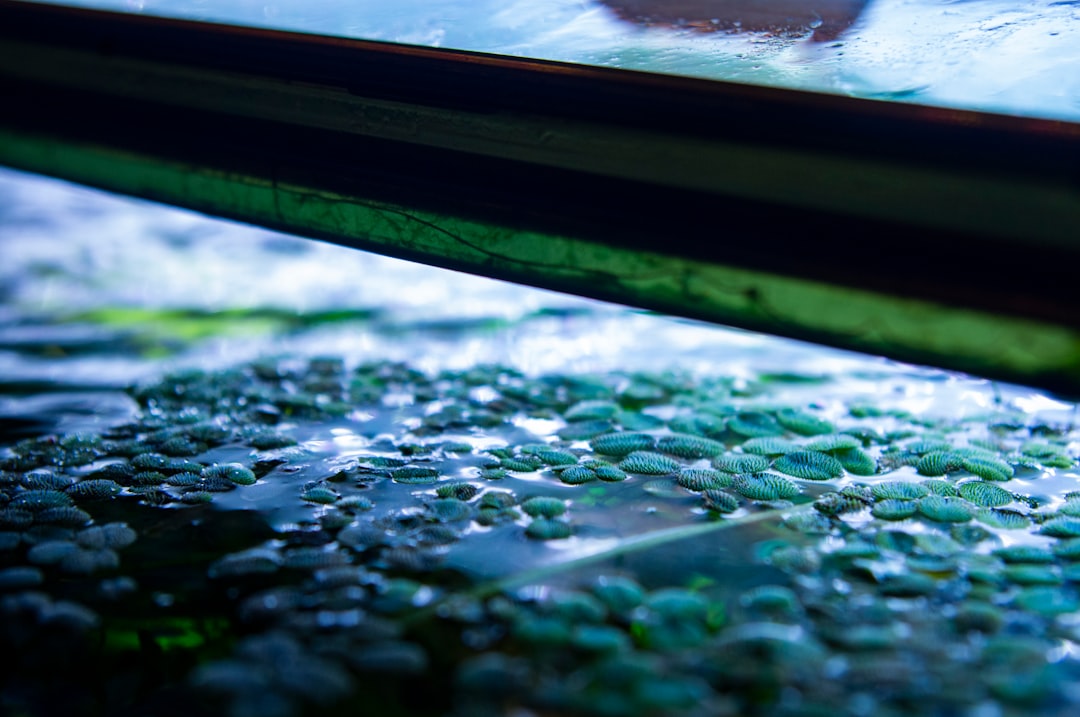
A thin, oily film on the water surface is one of the most common complaints among aquarium keepers. This biofilm or protein film blocks gas exchange, reduces light penetration and looks unsightly. This aquarium surface scum removal guide from Gensou Aquascaping at 5 Everton Park explains what causes it and how to eliminate it.
What Is Surface Scum?
Surface scum is a thin layer of organic compounds — proteins, lipids, oils and bacteria — that accumulates on the water surface. It appears as an oily, iridescent film or a white, papery layer. In still water, these organic molecules rise to the surface and form a raft. Every aquarium produces these compounds; the question is whether your surface agitation is sufficient to break them up before they become visible.
Common Causes
Insufficient surface agitation: The most common cause. If your filter outflow does not ripple the water surface, organic films accumulate undisturbed. Canister filters with submerged spray bars and sponge filters with minimal output often fail to break the surface tension.
Overfeeding: Excess food releases proteins and oils into the water, fuelling surface film production. Oily foods like freeze-dried bloodworm are particularly notorious.
Dead organic matter: Decaying plant leaves, dead fish or decomposing food produce dissolved organics that concentrate at the surface.
New tank syndrome: New tanks often develop surface films as bacteria colonise and the biological balance establishes. This usually resolves within a few weeks.
Contaminants: Hand lotion, cooking oil spray, aerosol sprays and other household products that contact the tank water or enter through the air.
Quick Fixes
Paper towel method: Lay a sheet of paper towel flat on the water surface, wait five seconds, then slowly lift it off. The surface film sticks to the towel. Repeat two to three times for a clean surface. This is the fastest temporary fix.
Increase surface agitation: Raise your filter outflow so it breaks the water surface, creating visible rippling. This is the simplest permanent solution. Even a small ripple prevents film from forming. In planted tanks with CO2, balance surface movement — you want enough to break film but not so much that you drive off CO2.
Permanent Solutions
Surface skimmer: A dedicated surface skimmer draws water from the top layer, pulling the film into the filter. Inlet-style skimmers attach to canister filter intakes. Standalone surface skimmers like the EHEIM Skim350 or ISTA Surface Skimmer are effective and affordable ($15–$30 in Singapore). This is the most effective long-term solution.
Lily pipe or outflow adjustment: ADA-style lily pipes create a gentle circular flow that naturally prevents surface film. Alternatively, angle your filter outflow to create a slight surface current.
Air stone: Running an air stone, especially during the night when CO2 is off, breaks surface film through constant bubbling. The bursting bubbles at the surface mechanically disrupt the film.
Prevention
Feed smaller amounts more carefully. Remove dead plant leaves and uneaten food promptly. Wash hands before putting them in the tank. Keep the area around the tank free from aerosol sprays and cooking fumes. Maintain regular water change schedules — fresh water dilutes dissolved organics. A well-maintained tank with adequate surface movement rarely develops persistent surface film.
When Surface Film Indicates a Problem
Persistent, thick surface film despite good maintenance can indicate excessive bioload, a dying fish hidden behind decor, filter malfunction, or bacterial bloom. If the film returns within hours of removal, investigate the underlying cause rather than just treating the symptom. Check all equipment, count your fish, test water parameters and examine plant health.
Related Reading
- Why Are My Fish Gasping at the Surface? Causes and Fixes
- Hydra Removal in Aquariums: Traps, Treatment and Prevention
- Leeches in Aquariums: Identification and Safe Removal
- Fish Gasping at the Surface: Causes and Emergency Fixes
- How to Fix Protein Surface Film in Your Aquarium
Surface scum and algae both stem from excess nutrients and poor flow, so the lasting habits in our long-term algae management beyond quick fixes guide tackle both at once.



