How to Make Fish Feel at Home in New Tank: Stress Reduction
Fish that hide constantly, refuse food for a week or flash against substrate after moving house are telling you the environment does not yet feel safe. This guide from Gensou Aquascaping at 5 Everton Park on how to make fish feel at home in new tank covers the first 30 days — the most critical window for long-term stability. Two decades of watching fish settle (or fail to) in SG client tanks point to consistent themes: cover, calm, consistent parameters and patience.
The First 24 Hours Set the Tone
Drip-acclimate for 30-45 minutes rather than the floating-bag shortcut. Release fish in dim or off lighting — blue moonlight or ambient room light only. Leave the tank alone for the rest of the day: no feeding, no tapping the glass, no excited relatives. Fish in new environments run high cortisol for 48-72 hours; visual disturbance stretches this window. Quiet darkness is the most underrated settling tool.
Cover Is Not Optional
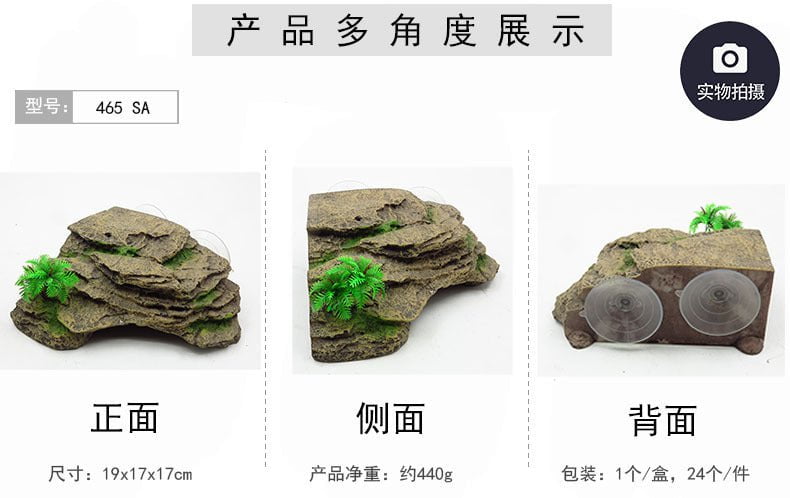
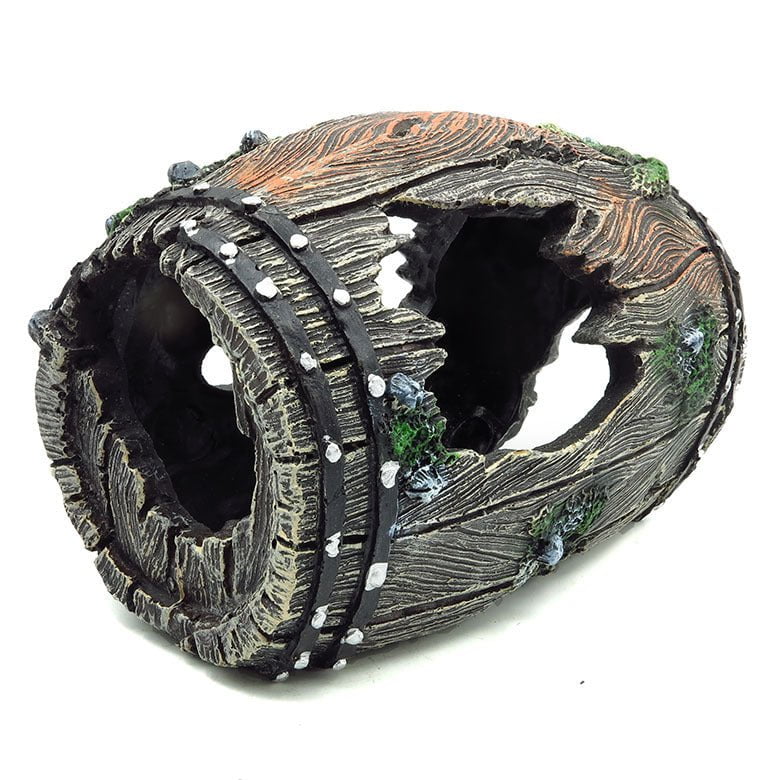
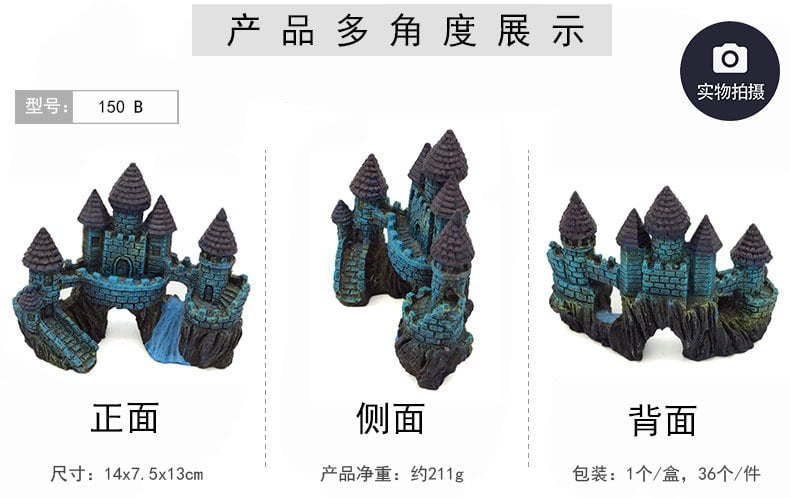
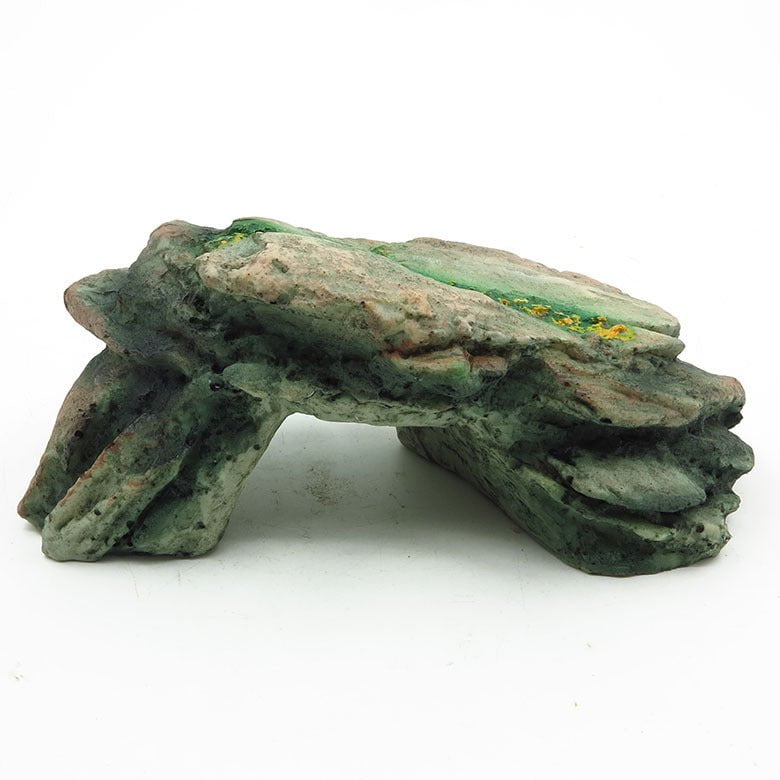
Open tanks with bare substrate terrify most community fish. Stock the tank with enough plants, rocks and wood that every fish can reach hiding spots within two body lengths. Tall background plants (vallisneria, Amazon swords), midground bushes (crypts, anubias) and cave-forming hardscape cover bioload and psychology simultaneously. Skittish species (loaches, tetras, apistogramma) relax visibly within days of added cover. Sparse tanks force fish into chronic alert mode.
Schooling Fish Need Their Numbers
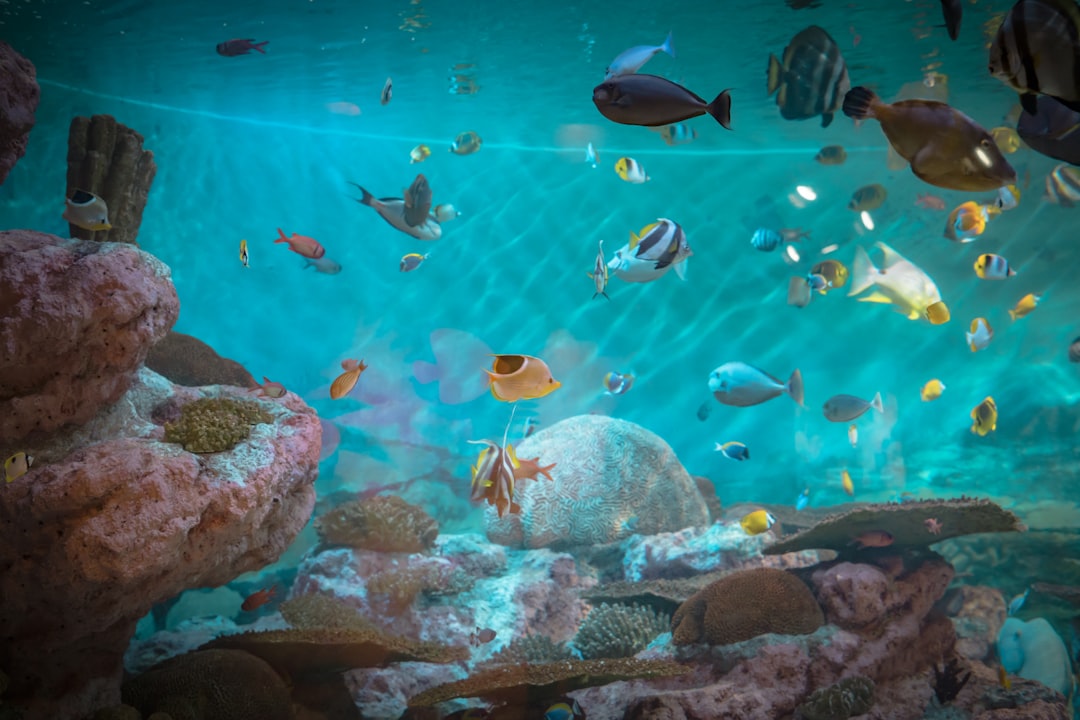
Six is the minimum school; ten-plus is optimum. Three or four tetras of a schooling species never settle — they colour-dim, hide and fight among themselves. Rummy-nose, cardinal, neon, harlequin and other classic community fish all require proper numbers to display natural behaviour. New-tank settling accelerates when schools are complete from day one. Adding “a few now and a few later” prolongs the stress period unnecessarily.
Lighting Ramp and Photoperiod
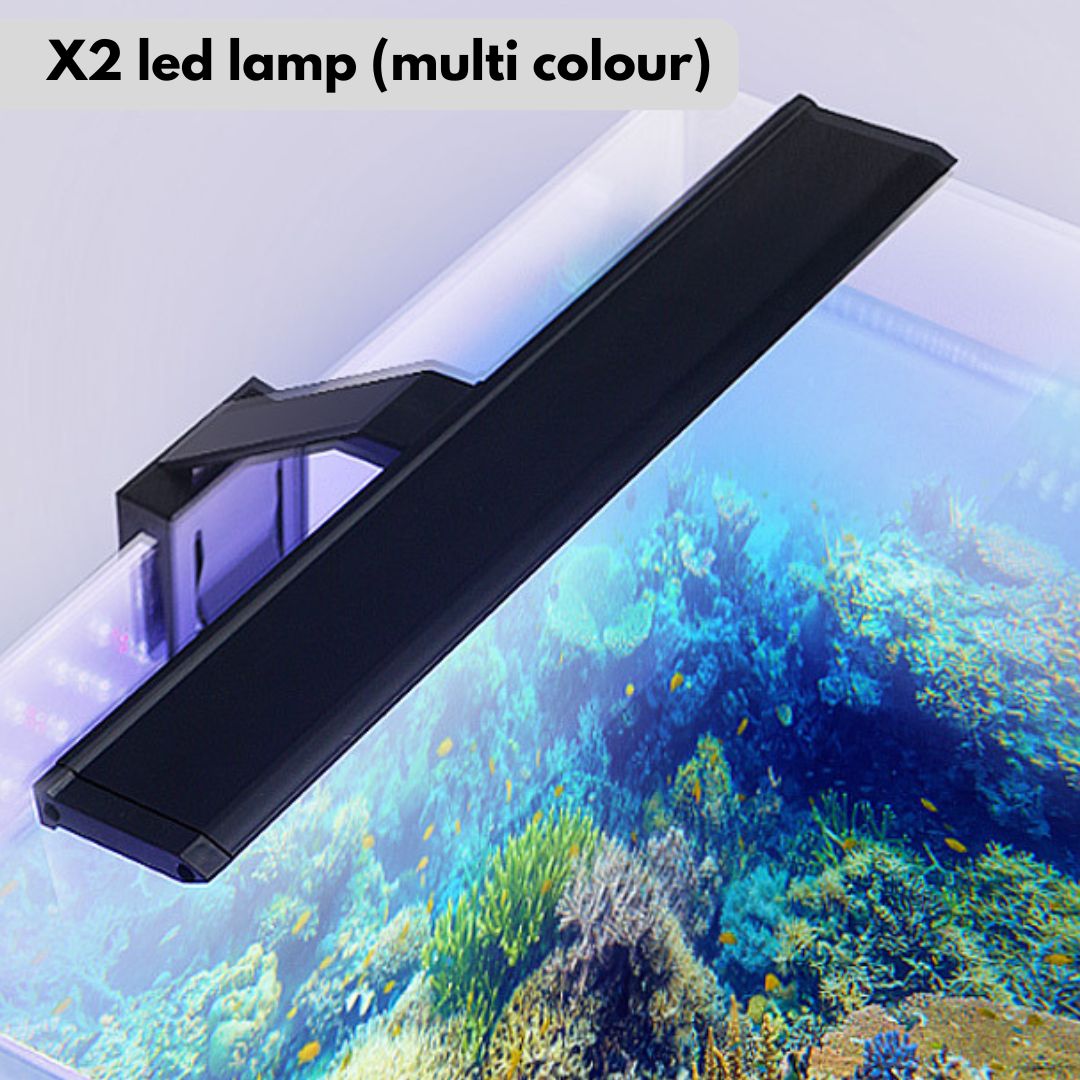
Drop light intensity and duration for the first week. Run 4-6 hours at reduced brightness (50 per cent if your light has dimming, otherwise shorter duration). Gradually ramp to full 8-hour photoperiod over two weeks. Sudden full-power lighting triggers glass-flashing and hiding. Consistent on/off times on a timer teach fish the rhythm — feeding, lights-on and lights-off at fixed hours accelerates settling dramatically.
Water Parameter Stability
Fish do not care whether pH is 6.8 or 7.4 — they care whether it is drifting. A stable pH 7.2 tank beats a fluctuating 6.5-7.5 one every time. Keep temperature at 25-27°C with minimal daily swing (under 1°C). For SG ambient at 30°C, a chiller or room air-con during day keeps the range tight. Test ammonia, nitrite and nitrate twice weekly for the first month and respond promptly to any rise with small water changes.
Feeding in Small Amounts
Skip day one entirely. Day two, offer a small pinch. Most new fish refuse food for 2-4 days — this is normal and not cause for concern. Remove uneaten food after two minutes to prevent ammonia spikes. Switch to small frequent meals (twice daily, tiny portions) rather than one large feeding. Variety matters: flake, pellet, frozen bloodworm, frozen brine shrimp on rotation. Fish that begin eating confidently within a week almost always settle fully.
Quiet the Environment
Position the tank away from high-traffic zones for the first month if possible — not in the main walkway, not beside the TV, not where children run past. HDB living rooms can be loud; bedrooms or study corners often suit skittish species better. Vibration from nearby air-con compressors or washing machines transmits through floors and stresses fish. A rubber mat under the tank stand decouples vibration and helps settling.
Background and Side Views
A plain background — black vinyl ($8 per metre), blue, or a natural photo print — reduces reflection and gives fish a clear visual anchor. Mirror-reflected glass makes fish attack their own reflection constantly. Covering the side panels facing a window with frosted film or a dark curtain reduces outdoor glare that strobes through the tank. Small visual changes often produce large behavioural shifts within 48 hours.
Tank Mates and Introductions
Introduce established species first, new species second — but not in the same week. A new community with all fish added simultaneously balances territorial claims evenly. Adding newcomers to an established tank after it has run six months is harder; the residents claim the whole volume and crowd newcomers into corners. If you know you want a mixed stock, add all species in the first fortnight, or quarantine separately and introduce together.
Signs of Successful Settling
Week one: fish explore slowly, eat hesitantly, use cover heavily. Week two: colour returns, schools tighten, feeding response strengthens. Week three: territories form without fighting, courtship behaviour may appear in ready species, fish ignore your presence at the glass. Week four: the tank looks alive rather than occupied. Fish that settle along this arc are yours for years. Persistent hiding or refusing food beyond two weeks warrants parameter checks and a review of stocking compatibility.
Related Reading
- How to Transfer Fish to New Tank Guide
- How to Introduce New Fish to Tank Guide
- Aquarium Plants for Cover Guide
- Fish Stress Symptoms Treatment
- Schooling Fish Numbers Guide