
How to Make Tap Water Safe for Fish: Dechlorination and Conditioning
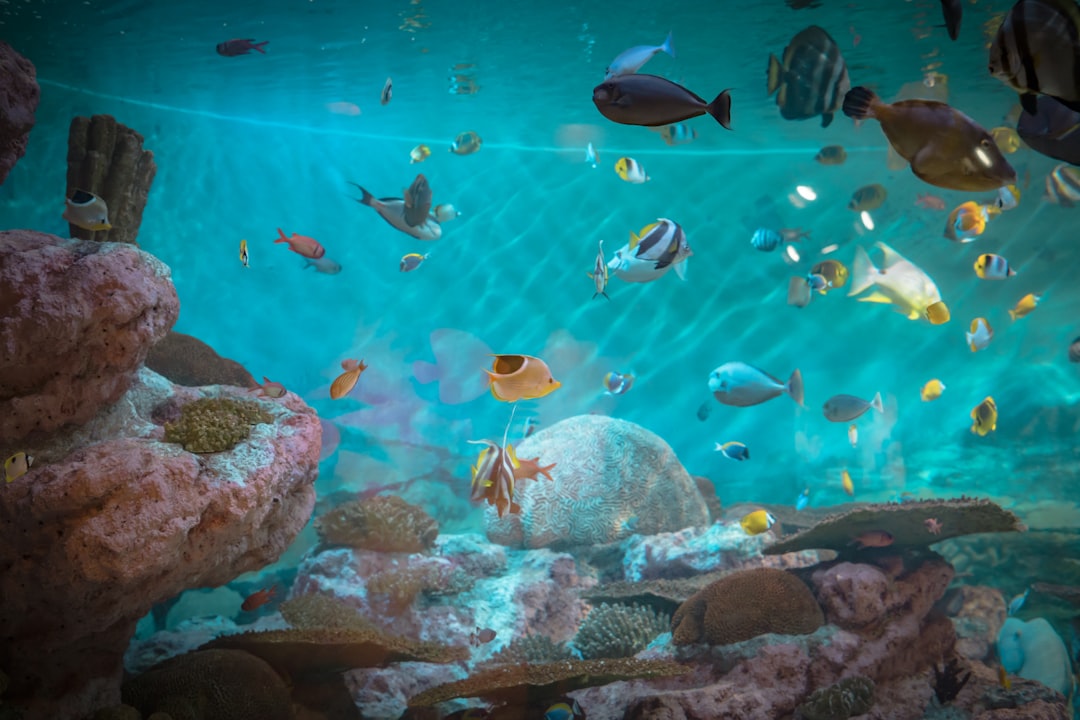
Every time you top up or perform a water change, the tap water entering your tank can harm or even kill your fish if untreated. Knowing how to make tap water safe for fish is arguably the most fundamental skill in the hobby. This guide from Gensou Aquascaping Singapore — with over 20 years of hands-on experience at 5 Everton Park — focuses specifically on treating Singapore’s PUB-supplied water for aquarium use.
What Makes Tap Water Dangerous
PUB treats Singapore’s water supply with chloramine — a stable compound of chlorine and ammonia — to keep it safe for human consumption. Unlike free chlorine, chloramine does not gas off by simply leaving water to sit overnight. It passes through fish gills, damages delicate tissue, and disrupts the biological filter by killing beneficial bacteria.
Even small concentrations of 0.5 ppm chloramine can stress sensitive species. Shrimp, discus, and fry are particularly vulnerable. Treating every drop of new water is non-negotiable.
Dechlorinators vs Full Conditioners
Basic dechlorinators neutralise free chlorine but may not break the chloramine bond completely, leaving residual ammonia in the water. Full-spectrum water conditioners — such as Seachem Prime or API Tap Water Conditioner — handle chloramine by neutralising both the chlorine and the released ammonia simultaneously.
For Singapore’s chloramine-treated supply, always choose a full conditioner. A 500 ml bottle of Seachem Prime costs around $18–$22 on Shopee and treats roughly 20,000 litres — exceptional value. Dose according to the volume of new water being added, not the total tank volume.
How to Treat Water Before Adding It
Fill a clean bucket or storage container with tap water. Add the conditioner, stir briefly, and wait two to three minutes before pouring it into the tank. Some hobbyists dose conditioner directly into the tank during a water change — this works with products like Prime that act almost instantly, but pre-treating is safer, especially for sensitive species.
Avoid using hot water from your flat’s heater system, as older HDB units may have copper pipes that leach dissolved metals. Room-temperature PUB water at 28–30 °C matches most tropical tanks perfectly without adjustment.
Ageing and Aerating Water
Ageing water in an open container with an airstone for 24 hours removes dissolved gases, stabilises temperature, and gives conditioners ample time to work. Dedicated hobbyists keep a spare 20-litre pail on permanent aeration duty — it streamlines weekly water changes considerably.
Aeration also raises dissolved oxygen, which benefits the tank during refilling. In Singapore’s consistently warm climate, dissolved oxygen levels tend to be lower than in temperate environments, making aeration a worthwhile habit.
Understanding Singapore’s Tap Water Parameters
PUB water is soft, with a general hardness (GH) of 2–4 dGH and pH between 6.5 and 7.5. This profile suits most Southeast Asian species — rasboras, bettas, gouramis, and neocaridina shrimp — without modification. African cichlid keepers may need to buffer pH and hardness upward using crushed coral or commercial rift lake salts.
TDS typically ranges from 30–80 ppm out of the tap. Caridina shrimp breeders who target 100–150 ppm TDS often remineralise with a GH-boosting product after treating with a conditioner. A reliable TDS meter pays for itself quickly.
Common Mistakes to Avoid
Never assume boiling water removes chloramine — it does not. Boiling concentrates minerals and wastes energy without addressing the ammonia component. Similarly, carbon filtration alone removes chlorine but handles chloramine inconsistently depending on contact time and carbon quality.
Forgetting to treat top-up water is another frequent error. Evaporation is significant in Singapore’s heat, and topping up with untreated water, even small amounts, introduces chloramine directly into the tank. Keep a pre-treated bottle beside the aquarium for quick top-ups.
Reverse Osmosis: When Tap Water Is Not Enough
For highly sensitive species like crystal red shrimp or wild-caught blackwater fish, an RO (reverse osmosis) unit produces near-pure water that you remineralise to exact specifications. RO units cost $80–$200 in Singapore and connect to a standard kitchen tap. The trade-off is slow production rate and wastewater — roughly three litres wasted per litre produced.
Learning to make tap water safe for fish properly protects your investment in livestock and biological filtration. At Gensou Aquascaping, we treat every water change as a care ritual — consistent conditioning keeps tanks thriving year-round.
Related Reading
- Why Does My Aquarium Smell? Causes, Diagnosis and Fixes
- How to Fix High Nitrite in Your Aquarium: Causes and Solutions
- Why Are My Fish Dying? 10 Common Causes and How to Fix Them
- Best TDS and pH Test Combos for Aquariums: All-in-One Meters
- Aquarium Care During Monsoon Season in Singapore: Humidity and Power



