
How to Move Fish Tank to New Home Guide: Safe Relocation
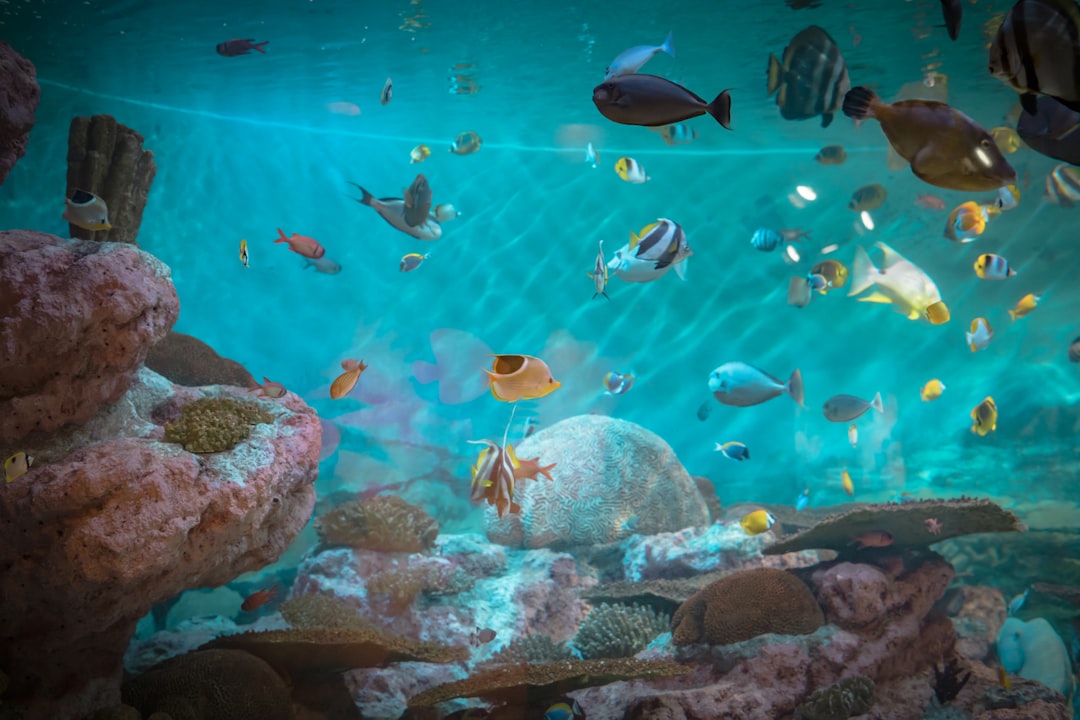
Moving house in Singapore is stressful enough without losing a stocked tank to a clumsy transfer. This how to move fish tank to new home guide from Gensou Aquascaping at 5 Everton Park walks through the full sequence — planning, draining, packing, transport and re-setup — calibrated for HDB lifts, condo loading bays and the inevitable 30°C afternoon heat. Two decades of client relocations have taught us the single biggest determinant of success: time spent planning the day, not muscle on moving day.
Plan Two Weeks Ahead
Good moves start a fortnight before. Reduce feeding by half from day seven to lower bioload. Skip water changes in the final week so you can preserve as much tank water as possible for reuse. Confirm your mover accepts aquarium relocations — many budget HDB movers refuse tanks over 60 L. Gensou-recommended specialists charge $180-350 for a standard relocation including drain, transport and set-up assist. Block off four to six hours of your moving day for the tank alone.
Size Up Both Lifts
Measure your source lift and destination lift internal dimensions. A 4-foot tank wants minimum 130 cm diagonal clearance. Older HDB blocks from the 1970s have narrow goods lifts that sometimes defeat 3-foot tanks once boxed. Landed stairs and walk-up units add 30 minutes per flight for proper tank handling. Book loading bays in advance for condos — most require 48 hours notice and restrict move windows to weekday 9-5 or Saturday morning.
Livestock First, Hardscape Last
Two hours before transport, bag the fish. Use clear plastic bags, one-third water from the tank, two-thirds air (or pure oxygen from a retailer — $5 per bag at Serangoon North). One fish per bag for large or aggressive species; up to six small tetras per 2 L bag for short journeys. Double-bag to survive punctures. Place bags in an insulated cooler with a cloth barrier — SG car interiors hit 45°C in afternoon sun, which cooks bagged fish in 20 minutes.
Preserve Biofilter Media
The single most valuable item in your tank is the mature filter media. Keep sponges and ceramic rings submerged in a bucket of tank water for the whole journey. Four hours out of water starts killing nitrifying bacteria. Twelve hours destroys them. A separate battery air pump ($25-40 at most SG aquarium shops) keeps media oxygenated during long moves and prevents the bacterial crash that causes new-tank ammonia spikes a week after relocation.
Drain and Transport the Tank
Drain the tank in stages. Siphon 70 per cent of water into clean food-grade buckets or a fresh 50 L plastic bin — this seeded water seeds the new set-up. Remove plants into bags with wet paper towel. Remove hardscape into padded boxes. Scoop substrate into buckets if you want to reuse it; otherwise discard and replace (substrate is cheap, and fresh aquasoil often performs better after a move). The empty tank travels upright, padded in blankets, secured in the lorry so it cannot slide on turns.
MRT and Public Transport Reality
SMRT rules prohibit livestock transport on MRT and buses beyond small, contained pets. A bucket of tank water or a boxed tank is technically allowed but practically impossible during peak hours. Hire a Lalamove van ($25-50 depending on distance and size) or a proper mover. Never attempt a 60 L tank across an MRT line — the jostle kills fish and leaks ruin carriages.
Heat Management on the Move
Tropical heat is the enemy. Bagged fish tolerate 26-30°C for two hours; above 32°C mortality climbs fast. Use insulated coolers with ice packs wrapped in cloth (direct contact chills fish dangerously). For daytime moves, run the lorry air-conditioning or choose an evening slot after 7 pm. Power outages during moves — common in older HDB blocks during renovation — spike tank temperatures at both ends. Keep fish bagged until the new tank is running and at 26°C.
New-Home Set-Up Sequence
Position the stand and tank first, level with a proper spirit level (tolerance under 2 mm across the length). Add substrate, then 50 per cent preserved tank water, then hardscape and plants. Top up with fresh PUB water dosed with Seachem Prime at 1.5x standard. Install filter with saved media immediately — do not wash it. Heater, light, air stone. Let the tank settle for 30-60 minutes before acclimatising fish.
Acclimatise Fish to Their Own Water
Even though the water is mostly the tank’s own, temperature and minor parameters drift during transport. Float sealed bags 15 minutes to equalise temperature, then drip-acclimate 30-45 minutes. Release fish without the bag water (which may contain concentrated ammonia). Dim lights for the first 24 hours. Skip feeding on day one. Normal routine resumes day three if everyone looks settled.
Watch for Mini-Cycle and Stress
Even with preserved biofilter media, expect a minor ammonia/nitrite bump in the first 7-10 days. Test daily. Dose Prime at 1x daily if ammonia appears. Small 10 per cent water changes with dechlorinated fresh water every other day for two weeks stabilises the system. Ich occasionally appears 4-10 days post-move from stress — raise temperature to 29°C and have a treatment on standby. A well-executed how to move fish tank to new home guide sequence gets you to a calm, cycled tank in a fortnight with every fish intact.
Related Reading
- How to Set Up Fish Tank Complete Guide
- Aquarium Biofilter Preservation
- Seachem Prime Complete Guide
- Fish Bagging Transport Guide
- Fish Tank Weight Floor Load HDB



