
How to Move a Fish Tank Safely: Step-by-Step Guide
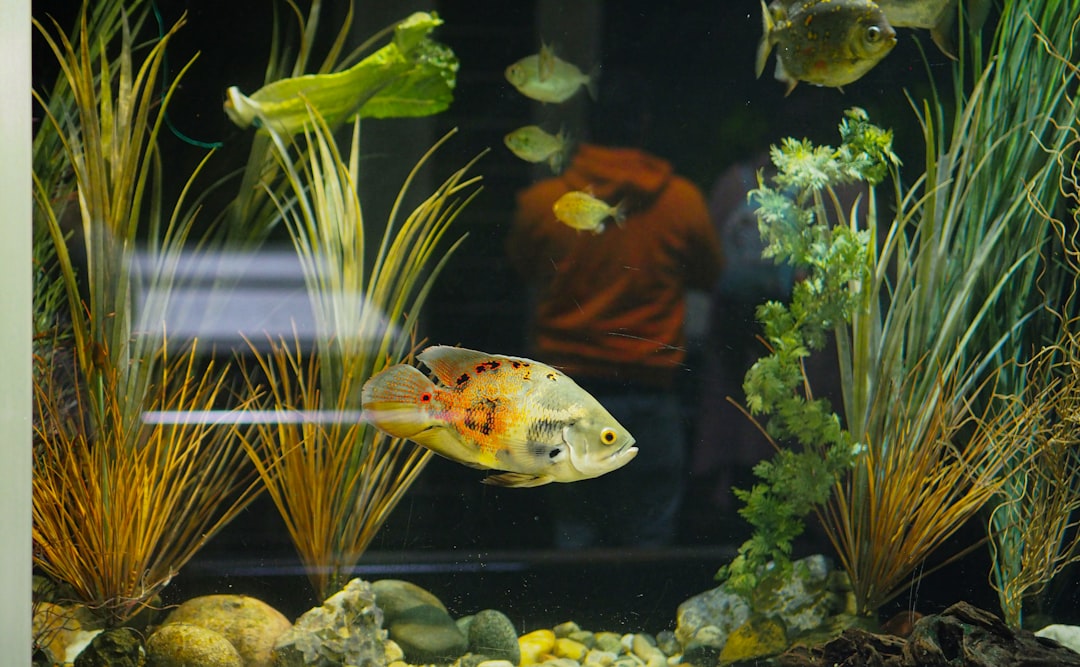
Moving a fish tank is one of the most stressful tasks in the aquarium hobby — stressful for you, and even more so for your fish. Whether you are relocating within your HDB flat, moving to a new condo, or shifting across Singapore entirely, the process requires careful planning to keep your livestock alive and your equipment intact.
At Gensou, we have helped Singapore aquarists relocate tanks of all sizes over the past 20 years. The good news is that with proper preparation, even a large planted aquarium can be moved safely in a single day. This guide walks you through every step.
Planning Your Move
The single most important rule: complete the move in one day. Fish in bags, filter bacteria without water flow, and plants out of the tank all deteriorate rapidly. In Singapore’s heat, a car boot or lorry bed can reach dangerously high temperatures in minutes, so minimise transit time.
Gather Supplies in Advance
- Fish bags and rubber bands (or clean, lidded buckets for larger fish)
- Battery-powered air pump — essential for long moves or large fish
- Large buckets with lids (at least 2-3) — for substrate, old water and plants
- Damp newspaper or wet paper towels — for wrapping plants
- Plastic bags or cling film — to keep filter media wet
- Water conditioner (dechlorinator) — for treating fresh water at the destination
- Towels — for padding and spills
- Styrofoam boxes — excellent insulation for fish bags in Singapore’s heat
Step-by-Step Moving Process
Step 1: Save Your Water
Drain approximately 50 per cent of the tank water into clean buckets with lids. This old water contains the established bacterial balance and water chemistry your fish are accustomed to. Using saved water during reassembly dramatically reduces stress and the risk of a mini-cycle.
Step 2: Bag or Bucket Your Fish
Catch your fish and place them in bags or lidded buckets. Fill bags roughly one-third water and two-thirds air (or pure oxygen if available). For short moves within the same building, buckets with lids work well for larger fish. Keep bags inside styrofoam boxes to insulate against Singapore’s ambient heat of 28-32 degrees Celsius.
- Do not feed fish for 24 hours before the move — this reduces waste production in the bags.
- Keep aggressive or territorial species in separate bags.
- Shrimp can travel in bags but are fragile — handle gently and avoid temperature swings.
Step 3: Remove Plants
Gently uproot or detach plants and wrap them in damp newspaper or place them in sealed bags with a splash of tank water. Plants survive out of water for hours if kept moist. Do not leave them in the sun or in a hot car.
Step 4: Remove Hardscape
Take out rocks, driftwood and decorations. Wrap heavy items in towels to prevent them from cracking the glass during transport. Keep driftwood damp to preserve any attached mosses or Anubias.
Step 5: Preserve Your Filter Media
This is the most critical step. Your biological filter media (sponges, ceramic rings, bio balls) houses the beneficial bacteria that process ammonia and nitrite. These bacteria begin to die within hours if the media dries out or loses oxygen supply.
- Place filter media in a sealed bag or container with just enough tank water to keep it submerged.
- For moves lasting more than two hours, use a battery-powered air pump to keep the water oxygenated.
- Never rinse filter media in tap water — Singapore’s PUB water contains chloramine, which kills beneficial bacteria on contact.
Step 6: Drain Remaining Water and Remove Substrate
Siphon out the remaining water. Scoop substrate into buckets. For planted tanks with nutrient-rich substrates like aquasoil, keep the substrate damp rather than letting it dry completely.
Step 7: Clean and Prepare the Empty Tank
With everything removed, the tank is now light enough to move. Give the glass a quick wipe. Never move a tank with water, substrate or hardscape still inside. The weight creates uneven stress on the glass panels and silicone seams, which can cause catastrophic failure — a cracked tank or blown seam.
Transporting the Tank
Transport the empty tank flat (not on its side or end) on a padded surface. Towels or a folded blanket underneath prevent vibrations from damaging the base. Secure the tank so it cannot slide during braking.
- Small tanks (under 60 cm) can sit on a car seat with a seatbelt around them.
- Larger tanks should be transported in a van or lorry, lying flat with padding on all sides.
- Rimless tanks are more fragile — extra padding around the exposed edges is essential.
In Singapore’s traffic, even a short move from Everton Park to Bukit Merah can take an hour during peak times. Plan your route and timing to minimise transit duration. Early mornings or weekends are ideal.
Reassembly and Monitoring
Setting Up at the New Location
- Position the tank on its stand or cabinet at the final location. Ensure the surface is level — use a spirit level. An unlevel tank creates uneven stress on the seams.
- Add substrate and arrange hardscape.
- Pour in saved tank water gently, using a plate or colander to avoid disturbing the substrate.
- Top up with fresh, dechlorinated water. Singapore’s tap water contains chloramine, which requires a dechlorinator that neutralises both chlorine and chloramine (most modern products do).
- Install and start the filter immediately. Reconnect the filter media and get water flowing as quickly as possible — every minute without circulation is time your bacteria are oxygen-starved.
- Replant aquarium plants.
- Float fish bags in the tank for 15-20 minutes to equalise temperature, then release fish gradually.
Monitoring for a Mini-Cycle
Even with saved water and preserved filter media, a mini-cycle is possible. Test ammonia and nitrite daily for the first week. If either rises above 0.25 ppm, perform a 30-50 per cent water change immediately. Reduce feeding to once daily during this period.
For a thorough understanding of the cycling process, see our nitrogen cycle guide.
Moving Within HDB/Condo vs Across Singapore
The complexity of a tank move depends heavily on distance and logistics.
| Scenario | Considerations |
|---|---|
| Same room (repositioning) | Still drain and remove hardscape. Never slide a full or partially full tank. |
| Within the same HDB unit | Can shuttle water in buckets. Fish can stay in buckets nearby. Fastest scenario. |
| Same HDB block (different floor) | Use the lift. Ensure buckets have lids. Enlist a helper for large tanks. |
| Across Singapore | Vehicle required. Insulate fish bags. Battery air pump recommended. Allow a full day. |
For HDB and condo moves involving lifts, narrow corridors or multiple flights of stairs, measure doorways and corridors in advance. A 120 cm tank may not fit through a standard HDB door at certain angles.
Frequently Asked Questions
Can I move a tank with water still in it?
No. Even a small amount of water sloshing during transport creates enormous hydraulic force on the glass panels. The silicone seams are designed to hold static water, not dynamic loads. Moving a tank with water inside risks cracking a panel or blowing a seam, resulting in a catastrophic leak and potential injury. Always drain completely.
How long can fish survive in bags?
In properly filled bags (one-third water, two-thirds air) at stable temperatures, most fish survive 6-8 hours. With pure oxygen instead of air, this extends to 24-48 hours — this is how fish are shipped internationally. In Singapore’s heat, keeping bags inside insulated styrofoam boxes is essential to prevent overheating.
Should I set up the tank the day before and let it run?
Ideally, yes. If your new location is accessible beforehand, set up the tank, fill it with dechlorinated water and run the filter with your existing media overnight. On moving day, simply transfer fish and plants. This is the lowest-stress approach but is not always logistically possible.
Do I need to re-cycle the tank after moving?
Not if you preserve your filter media properly. The beneficial bacteria live on the media, not in the water column. As long as the media stays wet, oxygenated and is reconnected within a few hours, the colony survives largely intact. Monitor water parameters for a week to be safe, but a full re-cycle is rarely necessary.
Moving a fish tank is a big job, but it does not have to be a disaster. If you need professional help relocating your aquarium anywhere in Singapore, contact Gensou at 5 Everton Park. We offer tank moving and setup assistance and can ensure your livestock arrives safely at their new home.
Related Reading



