
How to Prevent Fish Disease Naturally: Proactive Health Guide
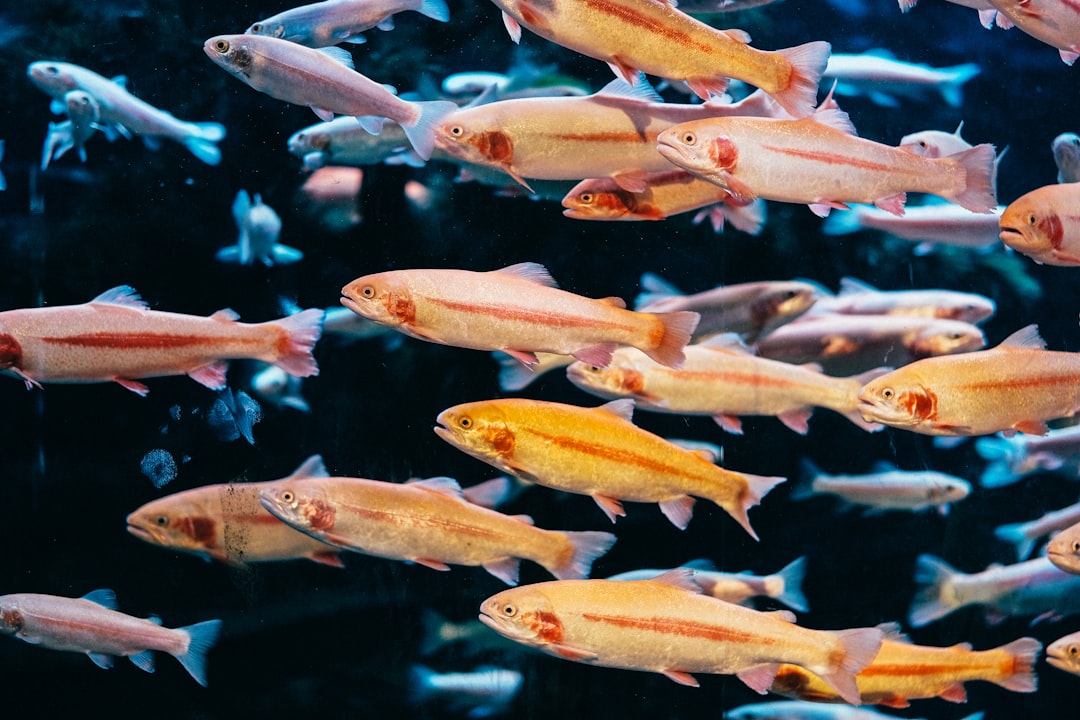
The best approach to fish disease is preventing it from occurring in the first place. Most diseases in aquarium fish are triggered by stress, poor water quality or the introduction of pathogens from new additions. By addressing these root causes, you can maintain a disease-free tank for years. This guide on how to prevent fish disease naturally comes from Gensou Aquascaping at 5 Everton Park, drawing on over 20 years of experience.
Water Quality: The Foundation of Fish Health
Poor water quality is the number one cause of disease in aquarium fish. Ammonia and nitrite suppress the immune system, making fish vulnerable to opportunistic infections. Maintain zero ammonia, zero nitrite and nitrate below 40 ppm (ideally below 20 ppm). Perform consistent weekly water changes of 20–30 %, clean filter media regularly (in tank water, never tap water) and avoid overstocking. A fish in clean water has a robust immune system that fights off most pathogens naturally.
Quarantine All New Additions
A quarantine tank is the single most effective disease prevention tool. Keep all new fish in a separate 40–60 litre tank with a sponge filter for two to four weeks before adding them to your main display. During quarantine, observe for signs of disease: white spots, clamped fins, lethargy, loss of appetite or unusual behaviour. Many diseases have incubation periods of one to two weeks, so a four-week quarantine catches most issues before they reach your main tank.
Nutrition and Immune Support
A varied, high-quality diet builds strong immune systems. Rotate between different food types: quality pellets or flakes, frozen bloodworms, brine shrimp, daphnia and blanched vegetables. Avoid cheap, filler-heavy foods. Garlic-soaked food acts as a natural appetite stimulant and has mild antiparasitic properties. Vitamins, particularly vitamin C, support immune function — soak food in a vitamin supplement once or twice weekly.
Stress Reduction
Stress is the gateway to disease. Common stressors include aggressive tank mates, insufficient hiding places, sudden changes in water parameters, overcrowding, poor diet, excessive noise or vibration near the tank and inappropriate lighting (too bright with no shade). Provide species-appropriate environments: schooling fish need groups, territorial fish need defined spaces, shy fish need hiding spots and nocturnal fish need dim areas.
Temperature Stability
Temperature fluctuations weaken immune systems and trigger disease outbreaks — particularly ich. In Singapore, avoid placing tanks near air conditioning vents or windows that receive direct sunlight, both of which cause significant temperature swings. A quality heater with thermostat (or a cooling fan for consistently warm rooms) maintains the stable temperature fish need. Aim for less than 1 °C variation over 24 hours.
Beneficial Bacteria and Tannins
A mature tank with a well-established biological filter provides a balanced microbial ecosystem that naturally suppresses pathogenic organisms. Indian almond leaves, also called ketapang leaves, release tannins with mild antibacterial and antifungal properties. Many breeders and experienced hobbyists keep these leaves in their tanks as a preventive measure. Replace them as they decompose, typically every two to three weeks.
Avoid Cross-Contamination
If you maintain multiple tanks, use separate equipment (nets, siphons, buckets) for each or sanitise shared equipment between uses. Pathogens transfer easily via wet equipment. When working on multiple tanks, service the healthiest tanks first and potentially infected tanks last. Wash your hands between tanks. These simple hygiene practices prevent one sick tank from infecting your entire collection.
Choosing Healthy Fish
Disease prevention starts at the shop. Choose fish from clean, well-maintained tanks with no dead or sick-looking fish. Healthy fish are alert, active, have bright colours, intact fins and no visible spots, bumps or discolouration. Ask the shop how long the fish have been in stock — fish that have been settled for at least a week are less likely to be harbouring latent disease from transport stress.
Singapore-Specific Tips
Singapore’s warm climate means higher fish metabolism and potentially faster disease progression. Indian almond leaves (ketapang) are abundantly available in Singapore — collect fallen leaves from local trees or buy dried ones from fish shops. Our consistently warm water temperature is actually beneficial for immune function, but ensure good oxygenation since warm water holds less oxygen. Regular maintenance is particularly important in Singapore’s warm conditions.
Conclusion
Prevention is always easier, cheaper and more effective than treatment. By maintaining excellent water quality, quarantining new additions, feeding well and reducing stress, you create an environment where disease simply cannot gain a foothold. Visit Gensou Aquascaping at 5 Everton Park for quarantine supplies and expert health advice for your fish.



