
Aquarium Temperature Fluctuation: Causes, Risks and Solutions
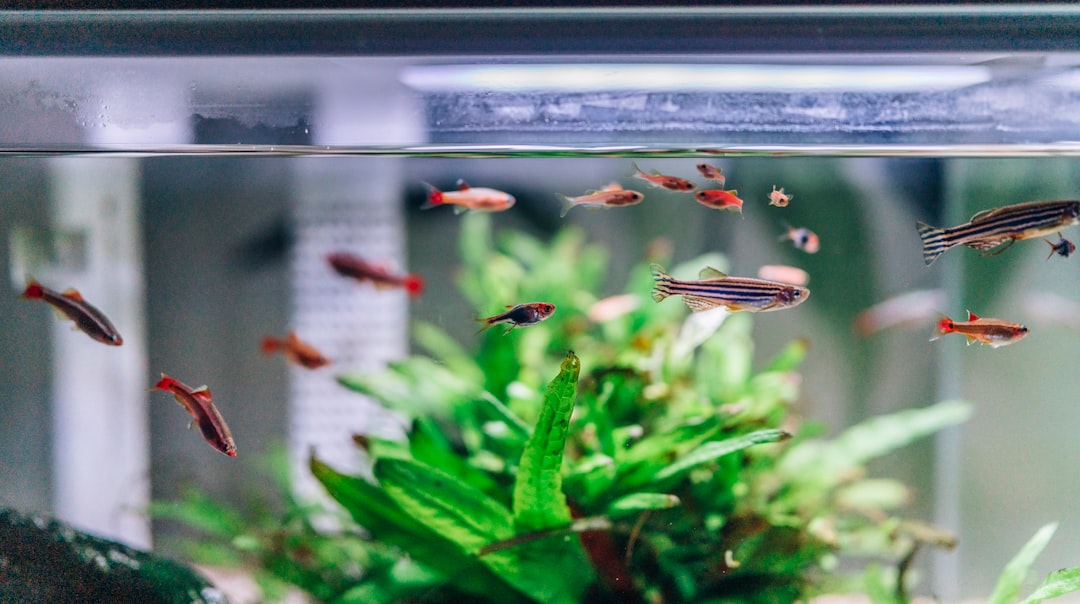
Temperature stability is one of the most important factors in fish health, yet it is frequently overlooked. Even small, repeated fluctuations stress fish and weaken their immune systems, leading to disease outbreaks that seem to appear from nowhere. This aquarium temperature fluctuation guide from Gensou Aquascaping at 5 Everton Park addresses a particularly relevant topic for Singapore’s air-conditioned homes. This guide sits inside our broader Singapore Aquarium Hobbyist Guide reference.
Why Temperature Stability Matters
Fish are ectotherms — their body temperature matches the surrounding water. When water temperature changes rapidly, their metabolism, immune function and organ systems must adjust simultaneously. A drop of just 2–3 °C over a few hours can trigger an ich outbreak in previously healthy fish. Chronic fluctuations — even small daily swings — create persistent stress that manifests as faded colours, poor appetite, lethargy and susceptibility to infection.
Common Causes in Singapore
Air conditioning is the biggest culprit in Singapore homes. A tank in a living room that is air-conditioned at night (24 °C) but warm during the day (30 °C) experiences a 6 °C daily swing — extremely stressful for fish. Other causes include direct sunlight hitting the tank at certain times, water changes with unmatched temperature, fans or open windows creating drafts across the water surface and placing tanks near exterior walls that conduct heat.
Ideal Temperature Ranges
Most tropical fish thrive between 24 °C and 28 °C. The exact number matters less than consistency. A tank that stays steadily at 28 °C is healthier than one that swings between 25 °C and 27 °C daily. If your ambient temperature is consistently warm, as in non-air-conditioned Singapore rooms, fish adapt perfectly well to 28–30 °C. The key word is “consistently.”
Measuring Temperature Correctly
Use a digital thermometer with continuous display so you can spot trends, not just snapshots. Place it where you can see it regularly. For serious monitoring, a digital thermometer with min/max memory or a smart temperature logger (connected to your phone) reveals fluctuations that happen while you are away or sleeping. Check your tank temperature at different times of day to identify patterns.
Solutions: Heaters
A quality heater with a thermostat is the simplest solution for tanks in air-conditioned rooms. Set it to your desired temperature and it activates only when the water drops below that point. Choose a heater rated at approximately 1 watt per litre. Adjustable heaters with reliable thermostats from reputable brands (Eheim, Oase, Fluval) are worth the investment over cheap alternatives that may overshoot or fail.
Solutions: Cooling
For tanks that overheat, clip-on cooling fans are the most cost-effective option, reducing temperature by 2–4 °C through evaporative cooling. Aquarium chillers provide precise control but are expensive to buy and run. Positioning the tank away from windows and direct sunlight prevents solar heating. In Singapore, many hobbyists use fans during the day and let natural warmth maintain temperature overnight.
Water Change Temperature Matching
Always match the temperature of water change water to the tank within 1 °C. Fill your water change bucket and let it reach room temperature, or blend hot and cold water to match. In Singapore, tap water from the mains is typically around 27–29 °C, which closely matches most tropical tanks. For large water changes (over 30 %), temperature matching becomes even more critical.
Tank Placement Tips
Place your aquarium away from air conditioning vents, windows with direct sunlight, exterior-facing walls and frequently opened doors. An interior wall in a room with stable ambient temperature is ideal. In HDB flats, the living room often has the most stable temperature, while bedrooms may experience significant swings between air-conditioned nights and warm days.
Singapore-Specific Advice
The most common scenario in Singapore is air-conditioned bedrooms where the temperature drops dramatically at night. If your tank must be in such a room, use a heater set to 26 °C — it costs very little electricity to maintain a stable temperature against occasional cooling. For tanks in non-air-conditioned areas, Singapore’s naturally stable tropical temperature is actually ideal — the 27–30 °C range is perfectly healthy for most tropical species as long as it stays consistent.
Conclusion
Temperature stability is a simple concept with profound impact on fish health. Identifying and eliminating fluctuation sources is one of the easiest and most effective improvements you can make to your aquarium. Visit Gensou Aquascaping at 5 Everton Park for quality heaters, fans and thermometers suited to Singapore conditions.



