How to Prevent Fish From Jumping Out of Your Aquarium
Finding a fish on the floor beside your tank is a miserable experience — and an entirely preventable one. Fish jump for specific reasons, and understanding those reasons is more useful than simply slapping a lid on every tank. This prevent fish jumping out aquarium guide from Gensou Aquascaping at 5 Everton Park, Singapore covers the behavioural, environmental, and equipment factors that drive jumping, so you can address the root cause rather than just contain the symptoms.
Why Fish Jump
Jumping behaviour is not random panic — it almost always has a specific trigger. Poor water quality is the most common cause in home aquariums: fish gasping at the surface and launching out of the water are often attempting to escape ammonia, nitrite, low oxygen, or incorrect pH. Test parameters immediately whenever you lose a jumper or notice surface-skimming behaviour.
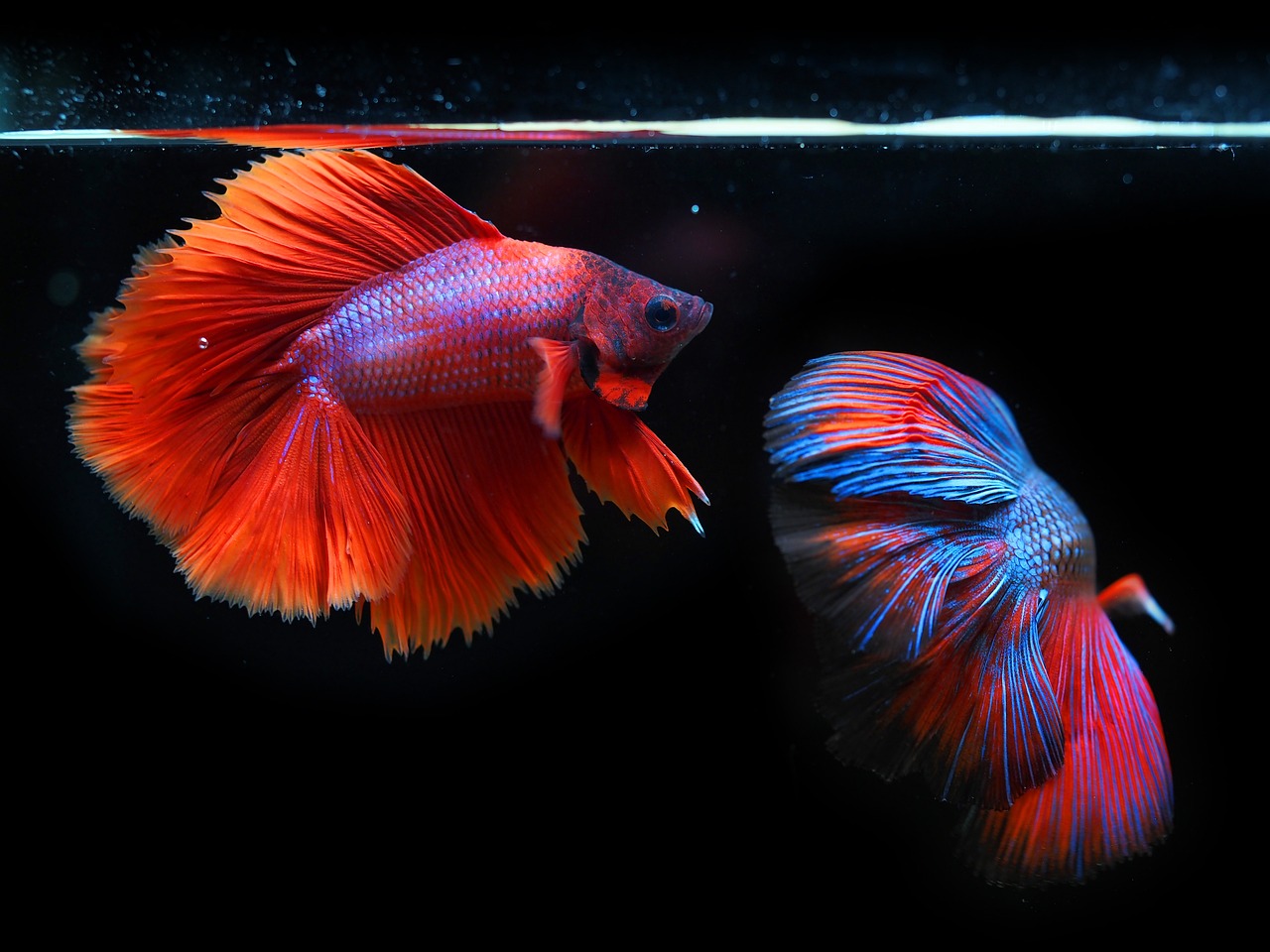
Predation stress is the second most common trigger. A fish being chased or bullied by a dominant tank mate will sometimes jump as an escape response. This is particularly common in tanks where aggressive species have been introduced — tiger barbs chasing smaller fish, or a male betta in a community setup that was poorly planned. Nocturnal jumping is often stocking-related; many fish that seem compatible during the day establish hierarchies after lights out that lead to chase-and-jump incidents in the dark.
Some species are simply predisposed to jumping as part of their natural behaviour. Killifish, hatchetfish, many small characins, and some gobies evolved in environments where jumping out of shallow water to escape drying pools or predators is a survival strategy. For these species, a covered tank is not optional — it is essential regardless of water quality or tank-mate selection.
Cover Solutions for Different Tank Types
The most reliable prevention is physical: a well-fitted cover that leaves no gaps larger than the fish you are keeping. Standard glass canopy lids work for most tanks but create issues in planted setups — they reduce gas exchange, trap heat in Singapore’s climate, and cut light transmission by 15–30%, which can be significant for demanding plants.
Egg crate (plastic lighting grid) cut to fit the tank opening is a popular alternative among aquascapers. It allows full gas exchange, passes light efficiently, and costs next to nothing — around $3–8 per sheet from hardware shops. Cut it to the exact tank dimensions with a hacksaw or sharp knife and support it with clips or a simple ledge around the rim. The grid openings (typically 6×6 mm or 12×12 mm) prevent even small fish from escaping while remaining virtually invisible when viewing the tank from the front.
Custom acrylic covers with laser-cut holes — available from some Singapore suppliers — provide a cleaner aesthetic for display setups while maintaining the functional benefits of ventilation and light transmission.
Managing Water Quality to Reduce Jumping
If your fish are jumping due to water quality issues, the cover is treating the symptom rather than the disease. A fish that escapes ammonia stress through a gap in a lid will be replaced by more gasping, more surface-seeking behaviour, and ultimately more fish deaths if the underlying issue is not resolved. Test ammonia, nitrite, pH, and dissolved oxygen (using an oxygen test kit or investing in an oxygen meter) whenever jumping behaviour appears in a previously stable tank.
In Singapore’s warm climate, oxygen saturation in water at 30°C is significantly lower than at 25°C — tropical tanks without surface agitation can run oxygen-limited, particularly at night when plants consume oxygen instead of producing it. Increasing surface movement via a spray bar directed at the surface, a ripple from a return pump, or an air stone during the night photoperiod can resolve low-oxygen jumping without any other changes.
Addressing Aggression and Stocking Issues
When jumping correlates with the introduction of a new species or a change in tank dynamics, review the social compatibility of your stocking. Remove the aggressor rather than the victim where possible — this is often the faster path to resolution. Rearranging hardscape and plants after removing a dominant individual disrupts established territories and gives subordinate fish a chance to reclaim space.
If you are keeping naturally jumpy species — Aplocheilus killifish, marble hatchetfish (Carnegiella strigata), or pencilfish (Nannostomus species) — accept that covering the tank is non-negotiable and design the cover into your setup from day one rather than as an afterthought.
Nocturnal Prevention
A disproportionate number of jumpers are found in the morning — victims of overnight incidents. Installing a dimmer or using a moonlight function on a programmable LED eliminates the sudden transition from full darkness to bright lights that can startle fish into jumping when the room lights come on. A gradual sunrise effect over 15–30 minutes allows fish to orientate themselves calmly rather than reacting to a sudden light shock.
Feeding last thing in the evening before the lights go off reduces nocturnal hunger-driven surface activity that can escalate into jumping. Do not overfeed — excess food that sits overnight promotes bacterial bloom and oxygen depletion, compounding the jumping risk.
After a Jump: Immediate Response
If you find a fish on the floor, act immediately — fish can survive out of water for longer than expected, particularly in Singapore’s humid air. Wet your hands, return the fish to the tank, and support it in the water with gentle movement until it recovers. Many fish that appeared dead on the floor recover fully when returned to the water within 2–3 minutes. Those with damaged scales or mucus coat from hitting a dry surface benefit from a short course of aquarium salt at 1 g/litre to reduce osmotic stress during recovery.
Related Reading