Aquarium for Kindergarten Classrooms: Learning Through Nature
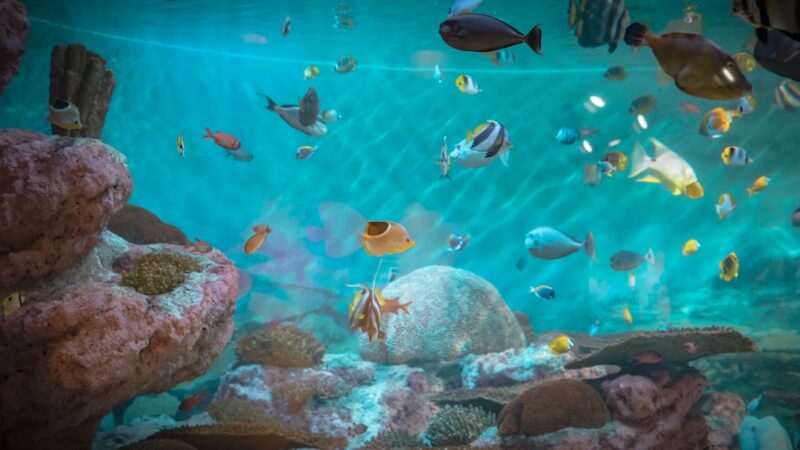
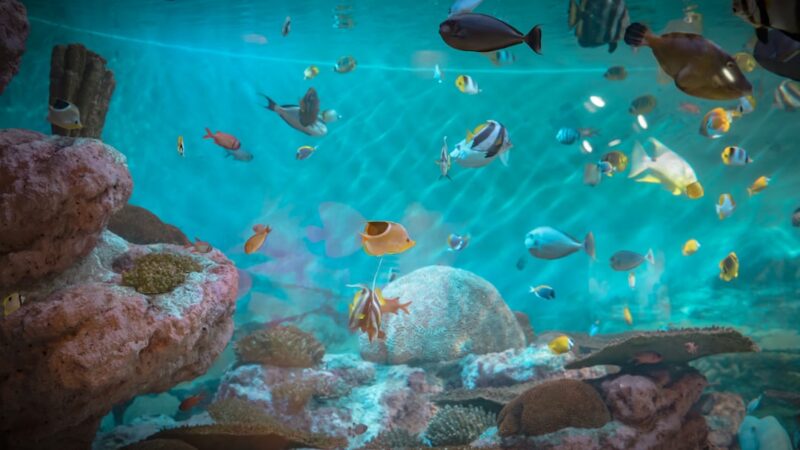
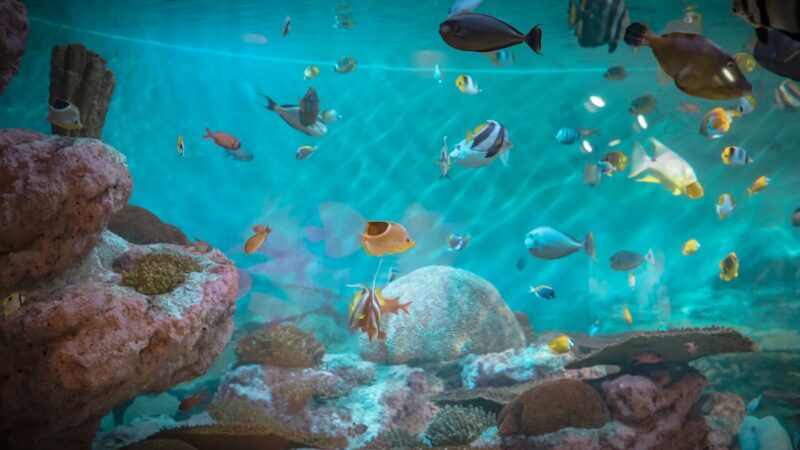
A small aquarium in a kindergarten classroom is one of the most effective nature-based learning tools available to early childhood educators. Young children who care for fish develop responsibility, observe biological cycles firsthand, learn about ecosystems, and build the patience that comes from watching living things grow and change slowly. This aquarium kindergarten classroom guide from Gensou Aquascaping at 5 Everton Park, Singapore covers how to choose, set up, and maintain a classroom tank that serves the educational purpose and stays safe and manageable for teachers.
Educational Benefits of a Classroom Aquarium
Research in early childhood education consistently identifies classroom pets and living organisms as powerful engagement tools — but aquariums offer specific advantages over mammals or birds. Fish do not trigger allergy responses in children with animal hair sensitivities. They require no handling, which eliminates injury risk and the stress that handling causes to many small animals. And the aquarium itself is a contained, self-evident ecosystem that teachers can use to explain concepts from feeding relationships to life cycles without specialist knowledge.
A classroom aquarium can anchor lessons in biology (what do fish eat, how do they breathe), responsibility (feeding schedules, noticing changes in behaviour), mathematics (counting fish, measuring water temperature, tracking feeding amounts), and observation skills (what has changed this week compared to last week?). These cross-curricular opportunities make the aquarium one of the highest-return classroom resources for its cost.
Right-Sizing for a Classroom
For kindergarten use in Singapore, a 40–60 litre tank is the practical sweet spot. Large enough to support a stable ecosystem with 5–8 small fish; small enough to fit on a sturdy table or dedicated stand without dominating the classroom. It is also light enough that two adults can move it for cleaning — fully set up with water, a 60-litre tank weighs approximately 70–80 kg, manageable with the right stand and planning.
Avoid tanks over 80 litres in a classroom setting. The additional complexity of maintenance, the challenge of water changes without specialist equipment, and the structural considerations of heavier installations outweigh any benefit for a kindergarten context.
Hardy, Child-Safe Fish Species
The species must be robust enough to tolerate occasional overfeeding, the minor temperature fluctuations of a classroom environment, and the stress of children tapping the glass (which should be discouraged but will inevitably happen). Zebrafish (Danio rerio) are the benchmark: indestructible, active, fast enough to be engaging, and available for $1–2 each from local fish shops. White cloud mountain minnows (Tanichthys albonubes) are equally tough and add a flash of red to their fins that children find appealing.
Avoid bettas kept communally (aggression), goldfish (require cooler water and produce excessive waste), and any species with spines or venomous fin rays. Neon tetras are beautiful but more delicate than their price suggests — not ideal for a school setting. Guppies breed rapidly, which can be an educational opportunity but also a management challenge if the classroom lacks expertise to manage the population.
Safety and Practical Considerations
Electrical safety is paramount in a classroom. All cables should be routed neatly and secured with cable management clips, with drip loops before any socket connection. Use a residual current device (RCD) or safety plug adapter — available at hardware shops for $10–20 — on the socket powering aquarium equipment. This trips the circuit if water contacts live wiring, preventing electrocution risk.
Position the tank where children cannot lean over it unsupported — a tall stand with the tank at approximately 80–90 cm height keeps it visible for viewing while preventing children from falling in. A fitted cover is essential; a curious 5-year-old reaching in is both a safety risk to the child and a stress hazard to the fish. In Singapore’s warm, humid classrooms, a simple mesh cover suffices — no heating required, and ventilation prevents moisture buildup under a glass canopy.
Feeding as a Learning Activity
Establish a feeding rota and make it a classroom responsibility. Two children per day, supervised by the teacher, measure the correct amount of food (a pinch small enough to be consumed in two minutes) and add it at the same time each morning. This routine builds responsibility, establishes predictability that reduces fish stress, and gives every child a regular, memorable interaction with the living classroom member.
A simple feeding chart on the classroom wall — with a tick or star for each day’s feeding — makes the responsibility visible and creates accountability. It also gives teachers an immediate record if feeding has been skipped and allows them to troubleshoot any behaviour or health changes in the fish by correlating with feeding history.
Managing School Holidays
Singapore school holidays present the main challenge for classroom aquariums. A 60-litre planted tank with 6 zebrafish can survive a standard one-week holiday without feeding — fish can fast for 7–10 days without harm, and a planted tank provides supplementary biological material that sustains the ecosystem during absence. Longer breaks require an automatic feeder ($15–30, widely available on Shopee or Lazada) set to dispense a small amount once daily.
Arrange for a staff member or designated parent to check the tank and perform a small water change during breaks exceeding two weeks. A simple checklist — confirm fish are present and active, confirm filter is running, top up evaporation losses with dechlorinated water — takes under five minutes and prevents any holiday disaster from becoming the first lesson of the new term. Gensou Aquascaping offers setup services for school and educational institution installations across Singapore.
Related Reading