
How to Raise KH in a Planted Tank Without Raising GH
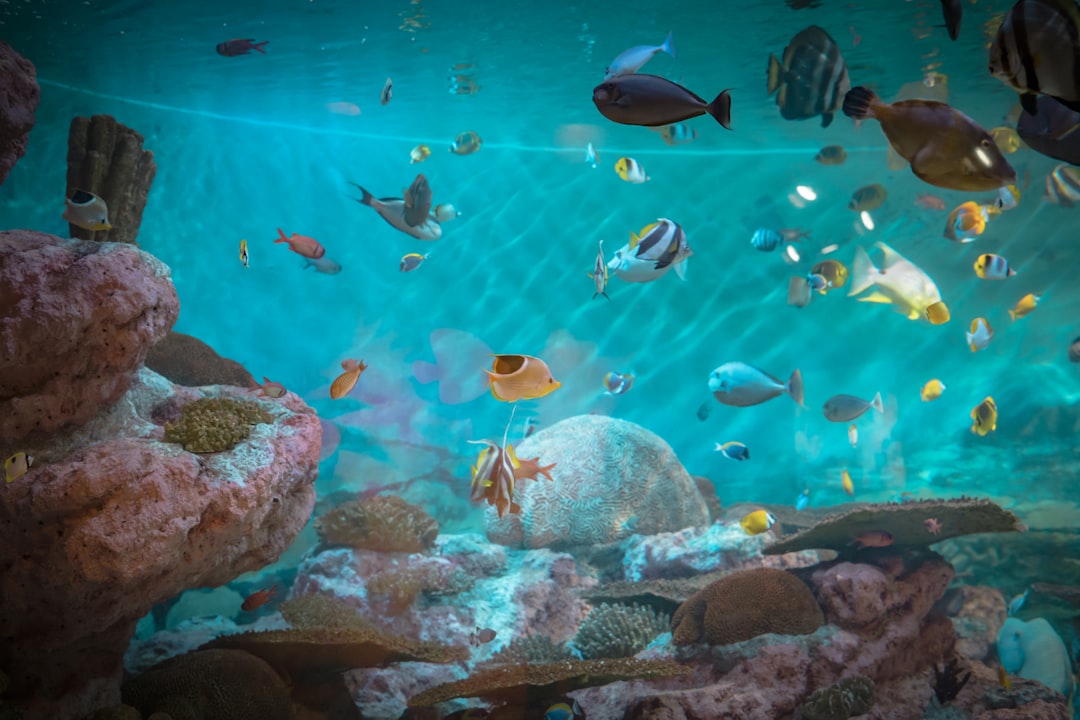
Planted tank hobbyists frequently encounter a frustrating scenario: pH crashes overnight because KH (carbonate hardness) is too low, yet raising GH (general hardness) would push calcium and magnesium beyond what soft-water species tolerate. This guide from Gensou Aquascaping Singapore explains how to raise KH planted tank without raising GH — a nuanced but entirely achievable goal. With over 20 years of hands-on experience, we have refined these methods across hundreds of planted tank setups where raising KH without raising GH was essential.
Understanding KH and GH
KH measures the concentration of carbonate and bicarbonate ions in water. These ions buffer against pH swings — the higher the KH, the more resistant your water is to sudden pH drops. GH measures dissolved calcium and magnesium, which affect osmoregulation in fish and shell formation in invertebrates.
The two parameters are independent. You can have high KH with low GH, or vice versa. Singapore’s PUB tap water sits at roughly 1–3 dKH and 2–4 dGH — both low. Active substrates in planted tanks deplete KH further, sometimes to near zero, making pH dangerously unstable.
Why Low KH Causes pH Crashes
Without carbonate buffering, even small acid inputs — CO2 injection, organic waste decomposition, active soil — cause rapid pH decline. Tanks running CO2 with KH below 1 dKH can swing from pH 7.0 during the day to pH 5.5 or lower overnight. That magnitude of shift stresses or kills livestock.
A minimum KH of 1–2 dKH provides a safety net. Tanks without CO2 injection benefit from 2–4 dKH for long-term stability.
Sodium Bicarbonate (Baking Soda)
Baking soda (NaHCO3) is the simplest and most accessible KH-only raising agent. One level teaspoon (approximately 6 g) dissolved in 50 litres of water raises KH by roughly 2 dKH without affecting GH at all. It adds sodium and bicarbonate ions — neither calcium nor magnesium.
Dissolve the measured amount in a cup of tank water first, then add it slowly to the tank near the filter outflow for even distribution. Test KH after 30 minutes and adjust if needed. Repeat after each water change, since fresh tap water dilutes the buffer.
Potassium Bicarbonate (KHCO3)
Potassium bicarbonate works identically to baking soda but adds potassium instead of sodium. Since potassium is a macronutrient for aquatic plants, this option benefits planted tanks twice over — buffering pH while supplementing a key fertiliser component. Dosage is similar: approximately 6 g per 50 litres for a 2 dKH increase.
Potassium bicarbonate is available from homebrew suppliers, chemical shops, and online platforms like Lazada and Shopee. It costs slightly more than baking soda but is worth the premium for heavily planted setups.
Commercial KH Buffers
Products like Seachem Alkaline Buffer and SaltyShrimp KH+ are formulated specifically to raise KH without altering GH. They provide precise dosing instructions and consistent results. For hobbyists uncomfortable with DIY chemistry, these commercial options offer peace of mind.
Follow the manufacturer’s dosing chart exactly. Overdosing KH buffer raises pH sharply — always add incrementally and retest. In Singapore, these products are stocked by most major aquarium shops and online retailers.
Dosing Strategy for Planted Tanks
Active substrates consume KH continuously through ion exchange. In a tank running ADA Amazonia with CO2 injection, KH may drop by 1 dKH between water changes. Establish a consistent dosing routine:
- Test KH weekly at the same time of day
- Dose after each water change to replenish what the fresh water lacks
- Add small top-up doses mid-week if KH drops below your target
- Keep a log of dosages and test results to identify patterns
Aim for gradual adjustments — never raise KH by more than 2 dKH in a single day. Livestock acclimates best to slow, predictable changes.
What Not to Use
Crushed coral and limestone raise both KH and GH simultaneously because they dissolve calcium carbonate. Cuttlebone does the same. These materials are useful when both parameters need a boost, but they defeat the purpose when GH must stay low for soft-water species like discus, cardinal tetras, or caridina shrimp.
Avoid “pH Up” liquid products — most contain hydroxide compounds that spike pH temporarily without meaningfully raising KH. The effect wears off within hours.
Monitoring Long-Term Stability
Once you establish a dosing routine, KH management becomes second nature. Track the rate of KH depletion in your specific tank — it varies with substrate age, bioload, and CO2 levels. As active soil exhausts its buffering capacity over 12–18 months, KH consumption slows and dosing requirements decrease.
This guide on how to raise KH planted tank without raising GH gives Singapore hobbyists a clear path to stable, buffered water chemistry. Gensou Aquascaping recommends potassium bicarbonate as the best all-round option for planted setups — effective, affordable, and beneficial for plant growth.
Related Reading



