
How to Rehome Aquarium Fish in Singapore: Ethical Options
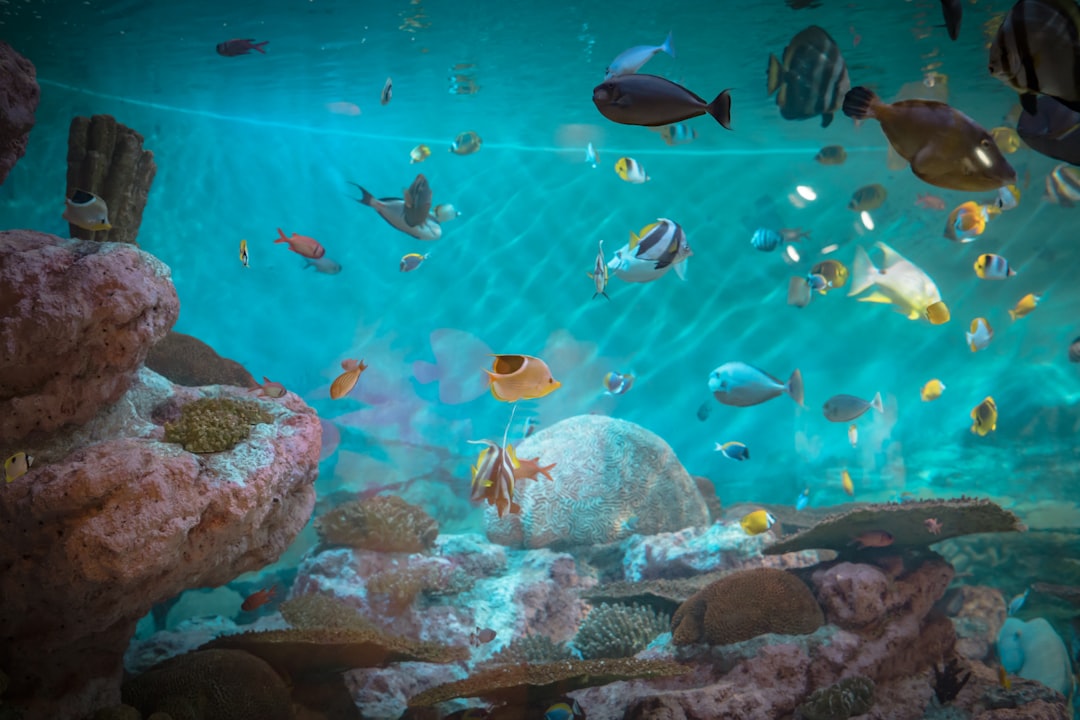
Circumstances change. A tank downsize, incompatible aggression, unexpected breeding, or a house move can all leave you needing to find a new home for your fish. Knowing how to rehome aquarium fish in Singapore responsibly ensures they end up in good hands rather than flushed or released into drains. This guide from Gensou Aquascaping Singapore — with over 20 years of hands-on experience at 5 Everton Park — covers every ethical option available on the island.
Why Proper Rehoming Matters
Releasing aquarium fish into Singapore’s waterways is illegal under the Animals and Birds Act and ecologically destructive. Species like Pterygoplichthys (pleco catfish) and tilapia have already established invasive populations in local reservoirs. A single released fish can devastate native ecosystems. Flushing fish alive is equally unacceptable — always rehome or, as a last resort, euthanise humanely.
Online Platforms: Carousell, Facebook and Telegram
Carousell is Singapore’s go-to marketplace for rehoming aquarium fish. List your fish with a clear photo, species name, approximate size, and age. Many hobbyists offer fish for free or a nominal $1–$2 listing fee to filter out uncommitted buyers. Describe the fish’s temperament and ideal tank conditions to attract suitable adopters.
Facebook groups such as “Singapore Aquarium Fish Buy/Sell/Trade” and species-specific communities (betta clubs, cichlid groups, shrimp keepers) connect you with experienced hobbyists who understand the fish’s needs. Telegram groups — search for “SG Fishkeeping” — move fast and suit urgent rehoming situations where you need same-day pickup.
Local Fish Shops
Some aquarium shops accept surrendered fish, though policies vary. Shops along Serangoon North Avenue 1, Thomson, and C328 Clementi may take healthy, desirable species — particularly uncommon plecos, well-grown arowanas, or breeding pairs. Do not expect payment; most shops accept fish as a courtesy rather than a transaction.
Call ahead before transporting fish. Confirm the shop has tank space and is willing to accept your species. Arriving unannounced with a bag of unwanted fish puts both you and the shop in an awkward position.
Hobbyist Networks and Fish Clubs
Singapore’s fishkeeping community is tight-knit. Word of mouth through WhatsApp groups, aquarium society meetups, and local forums often finds a home for fish faster than public listings. If you keep uncommon species — wild-caught bettas, rare corydoras, or selectively bred shrimp — specialist collectors may actively seek exactly what you have.
Aquarium societies occasionally organise adoption events or fish swaps. These gatherings let you hand over livestock face-to-face, assess the adopter’s experience, and even see their tank setup on their phone before agreeing.
How to Transport Fish Safely for Rehoming
Bag fish in doubled plastic bags with one-third water and two-thirds air (or pure oxygen if available). Wrap bags in newspaper for insulation and place them in a styrofoam box or insulated bag. In Singapore’s heat, transport during cooler morning or evening hours — a 15-minute drive at 33 °C can raise bag water temperature dangerously.
For larger fish like arowanas or oscars, use a rigid bucket with a battery air pump. Secure the lid to prevent jumping — stressed fish become surprisingly acrobatic during transport.
When Rehoming Is Not Possible
If genuinely no option exists — no takers online, shops refuse, no community contacts — humane euthanasia with clove oil is the responsible last resort. Never release fish into the wild, flush them, or leave them in deteriorating tank conditions. An overstocked, neglected tank causes slow suffering that is far worse than a quick, compassionate end.
Preventing the Need to Rehome
Research before purchasing. Understand adult size, temperament, and tank requirements. A common trigger for rehoming is impulse-buying a juvenile Pangasianodon hypophthalmus (iridescent shark) that quickly outgrows a 120-litre tank. Responsible stocking from the start eliminates most rehoming situations entirely.
This rehome aquarium fish Singapore guide reflects Gensou Aquascaping’s commitment to ethical fishkeeping. Every fish deserves a suitable home — and finding one is always possible with a little effort and the right community connections.
Related Reading



