
How to Stop Fish From Fighting in a Community Tank
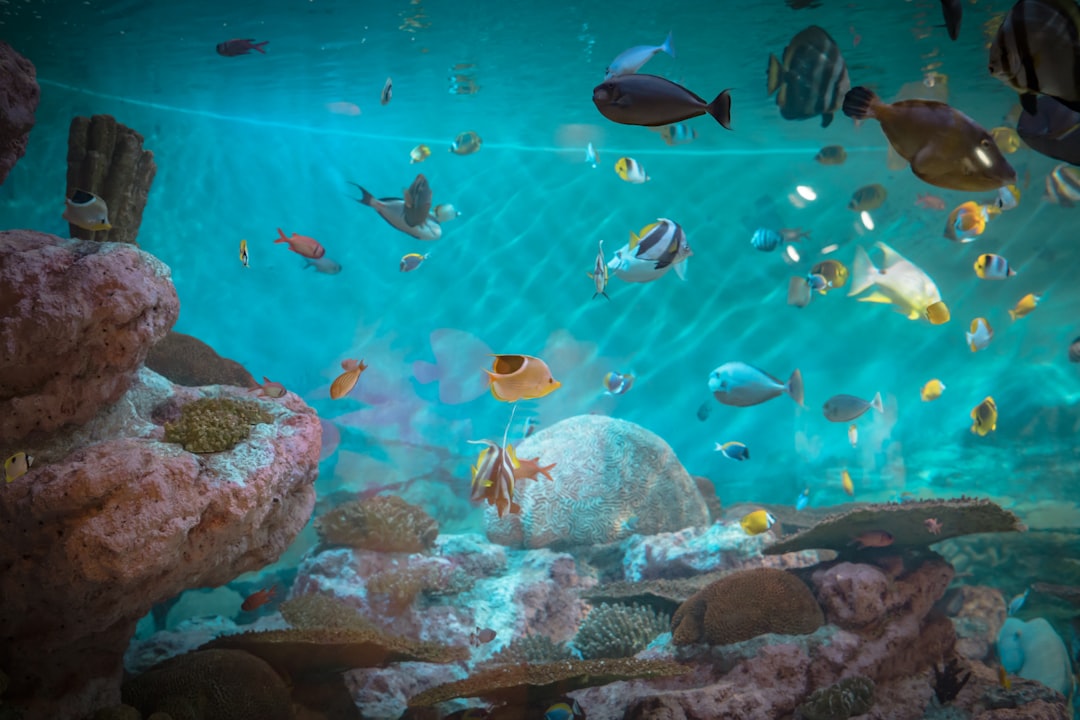
Aggression in a community aquarium is one of the most stressful problems a hobbyist can face — both for the fish and for you. If you need to stop fish fighting in a community tank, understanding the root cause is the essential first step. This practical guide from Gensou Aquascaping Singapore, drawing on over 20 years of hands-on experience at 5 Everton Park, walks you through diagnosis and proven solutions.
Why Fish Fight in the First Place
Aggression rarely happens at random. Territory, breeding competition, overcrowding, and incompatible species are the four biggest triggers. A male cichlid defending a cave is behaving naturally — the problem is usually the setup, not the fish.
Stress amplifies everything. Poor water quality, insufficient hiding spots, or a tank that is too small compresses territories until even typically peaceful species start nipping. Recognising the underlying cause prevents you from treating symptoms while ignoring the real issue.
Recognising Aggression vs Normal Sparring
Brief chases at feeding time or mild flaring between male livebearers are normal. Persistent harassment — torn fins, a fish hiding permanently in a corner, refusal to eat — signals a serious problem. Watch your tank for at least ten minutes during different times of day, since some aggression peaks at dawn or dusk.
Injuries like split fins, missing scales, or visible bite marks demand immediate intervention. A stressed fish with a compromised immune system quickly becomes vulnerable to secondary infections such as fin rot or columnaris.
Rearrange the Aquascape
One of the fastest ways to stop fish fighting in a community tank is to rearrange hardscape and plants. Moving rocks, driftwood, and decorations breaks established territories and forces all inhabitants to re-map the environment simultaneously. No single fish retains home advantage.
Add more line-of-sight breaks. Tall stem plants, dense java fern clusters, and strategically placed wood create visual barriers so subordinate fish can escape the dominant individual’s field of view. In a well-planted tank, aggression often drops dramatically within 48 hours of a rescape.
Check Your Stocking Choices
Some combinations simply do not work. Housing a Betta splendens with guppies, or mixing African cichlids from different lakes, invites conflict regardless of tank size. Research species compatibility before purchasing — not after the damage is done.
Overstocking is a double-edged sword. While mild overstocking can diffuse aggression in certain cichlid setups by preventing any one fish from establishing a territory, it demands excellent filtration and frequent water changes. In Singapore’s warm climate, dissolved oxygen drops faster in overstocked tanks, so ensure strong surface agitation.
Adjust the Male-to-Female Ratio
Male-heavy tanks are a recipe for conflict among livebearers, gouramis, and many cichlid species. A ratio of one male to two or three females spreads courtship pressure and reduces direct male-on-male confrontation. For species like mollies and platies, this single adjustment often resolves aggression completely.
Increase Tank Size or Rehome the Aggressor
Sometimes the tank is simply too small. A 60-litre community with a territorial Trichopodus trichopterus (three-spot gourami) will never be peaceful — that fish needs at least 120 litres. Upgrading tank size is the most reliable long-term fix when space allows. In HDB flats, check floor load limits before going above 200 litres.
If upsizing is not feasible, rehoming the aggressor through local platforms like Carousell or Facebook fishkeeping groups is a responsible choice. Keeping a bully at the expense of every other fish benefits nobody.
Feeding Strategies That Reduce Competition
Spread food across multiple spots rather than dropping everything in one corner. Use a combination of floating flakes, sinking pellets, and mid-water freeze-dried treats so each species feeds at its preferred level. Hungry fish are aggressive fish — ensure portions are adequate without overfeeding.
In Singapore, high-quality pellets and frozen bloodworm are readily available at shops along Serangoon North Avenue 1 and online via Shopee. Rotating food types keeps nutrition balanced and reduces feeding-time tension.
When to Use a Tank Divider
Mesh or acrylic dividers serve as a temporary measure while you arrange a permanent solution — rehoming, upgrading, or rearranging. They are not a long-term fix. A divided tank still shares the same water column, meaning chemical aggression signals (pheromones) pass freely.
Following these steps to stop fish fighting in a community tank restores harmony and protects your livestock. At Gensou Aquascaping, we always advise planning stocking lists carefully from the start — prevention is far easier than cure.
Related Reading
- Oscar Fish Tank Mates: Compatible Species for Large Tanks
- Flowerhorn Cichlid Care Guide: Head Growth, Diet and Tank Size
- Why Are My Fish Dying? 10 Common Causes and How to Fix Them
- Aquarium Pest Identification Guide: Snails, Worms and Hydra
- How to Fix High Nitrite in Your Aquarium: Causes and Solutions
When skirmishes tip over into one fish relentlessly chasing another, our guide on how to stop fish bullying in the tank offers targeted ways to break the cycle.



