
How to Treat Gill Hyperplasia in Aquarium Fish
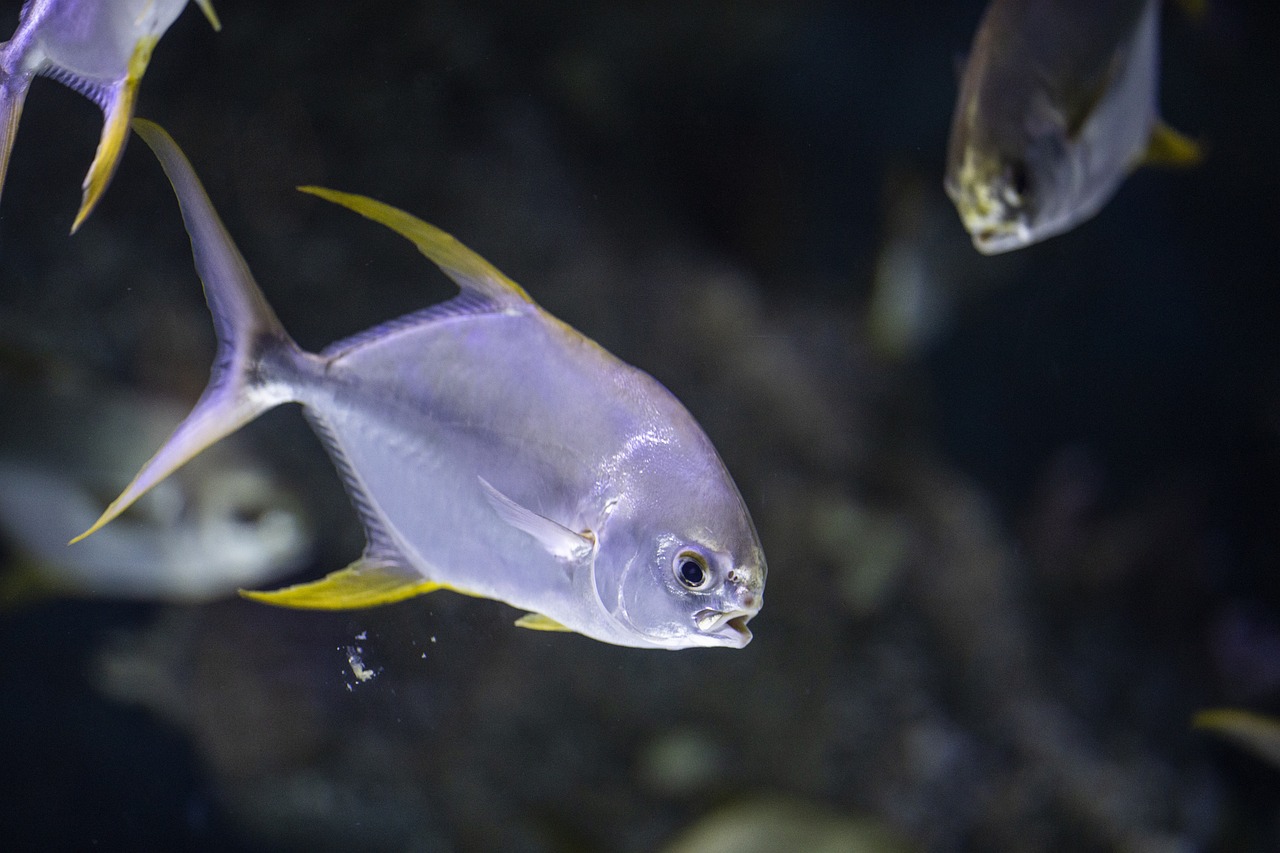
Rapid, laboured breathing, fish hovering near the surface or at filter outlets, and pale or thickened gill tissue are the hallmarks of gill hyperplasia — a condition where gill lamellae proliferate abnormally in response to chronic irritation. At Gensou Aquascaping, 5 Everton Park, Singapore, we regard gill damage as one of the most urgent problems to address in any aquarium, because gills are the fish’s primary interface with water quality. Catching and treating the cause early makes the difference between full recovery and permanent respiratory impairment.
What Is Gill Hyperplasia?
Healthy gills consist of fine, thin lamellae — delicate finger-like projections maximising surface area for gas exchange. When the gill tissue is repeatedly exposed to an irritant, the body responds by thickening and fusing these lamellae in a protective response. This is gill hyperplasia: more tissue, but less functional surface area. The result is reduced oxygen uptake even in well-oxygenated water. In severe or prolonged cases the damage becomes structural and irreversible.
Hyperplasia is not a disease in itself but a symptom of an underlying stressor. Identifying that stressor is the most important step in treatment.
Common Causes
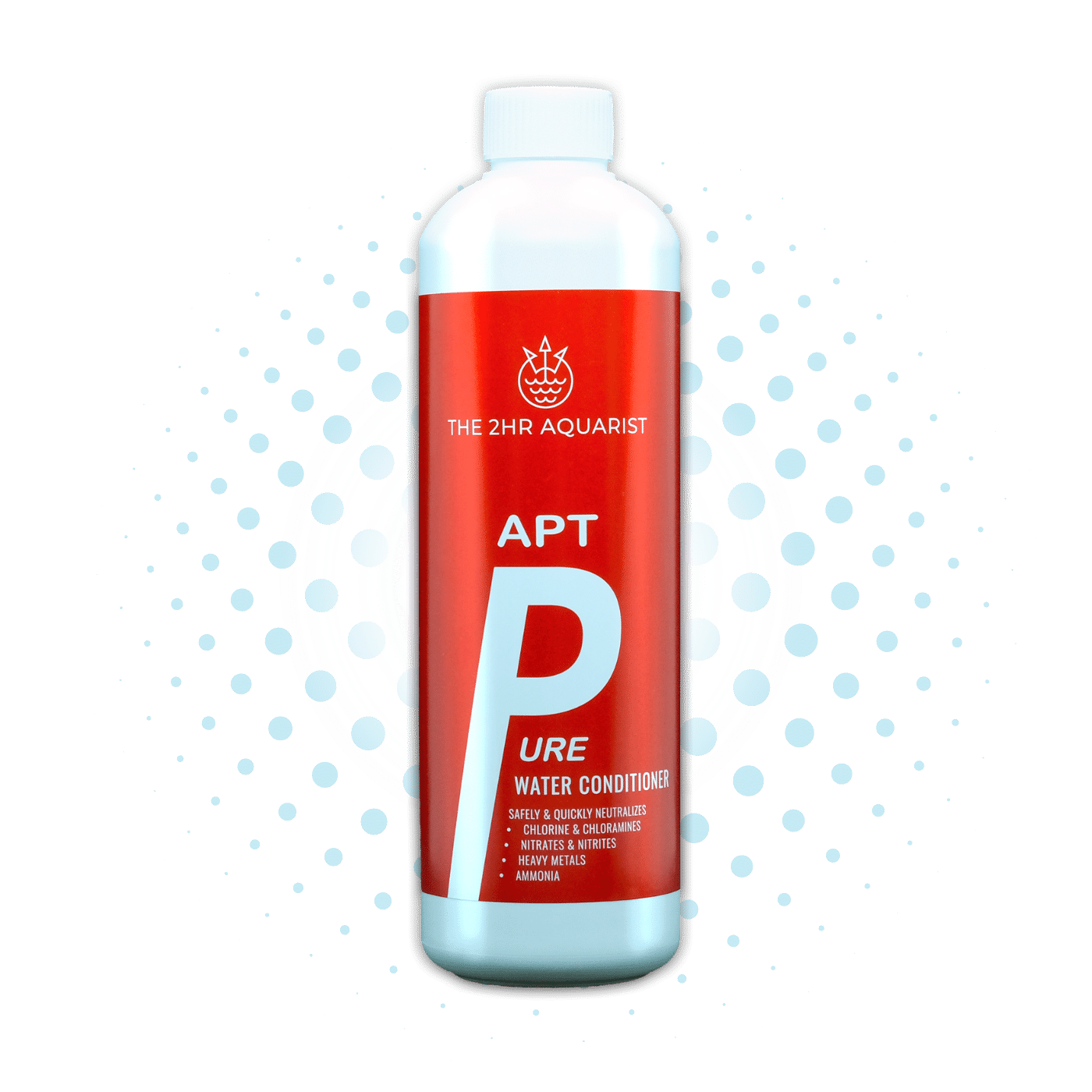
Ammonia and nitrite are the leading culprits in home aquariums. Even brief spikes — such as those during a new tank cycle or after a large, unconditioned water change — can trigger gill damage. Singapore’s PUB tap water contains chloramine rather than free chlorine; chloramine binds irreversibly to haemoglobin and gill tissue if a dechlorinator that neutralises chloramine (not just chlorine) is not used. Check that your conditioner explicitly states it neutralises chloramine — products like Seachem Prime or API Stress Coat both do.
Parasites are the second major cause. Dactylogyrus (gill flukes), Gyrodactylus, and Ichthyobodo necator (costia) all feed on or irritate gill tissue, prompting hyperplasia as a chronic response. Bacterial and fungal infections can produce similar changes. High dissolved CO₂ from poor surface agitation or an overdosed injection system also irritates gill tissue over time.
Recognising the Symptoms
Fish breathing rapidly at rest — more than 60–80 operculum movements per minute at 26°C — should put you on alert. Other indicators include flashing (scratching against substrate), gill covers that appear swollen or held slightly open, reduced appetite, and clamped fins. Pale or reddish-discoloured gill tissue visible when the operculum is gently lifted confirms involvement of the gill itself. Affected fish often congregate near surface agitation or filter outlets even when dissolved oxygen readings appear normal, because their compromised gill surface area reduces effective uptake regardless of water oxygen levels.
Diagnosing the Underlying Cause
Start with water parameters. Test ammonia, nitrite, nitrate, pH, and dissolved oxygen. In a healthy, established tank, ammonia and nitrite should read zero. A nitrite reading above 0.1 mg/L is already sufficient to cause gill damage. Check your dechlorinator and confirm the last water change used the correct dose.
If water chemistry is clean, parasites become the most likely cause. A gill scrape and wet mount examined under a microscope will reveal flukes clearly. Without microscopy, treat empirically for gill flukes if you have ruled out water quality issues — praziquantel is the treatment of choice and is available at most aquarium shops in Singapore, including stores along the Serangoon North Avenue 1 stretch.
Treatment Protocol
Address water quality first, before any medication. Perform a 30–40% water change with properly dechlorinated water. Increase surface agitation to maximise dissolved oxygen. Remove activated carbon from the filter, as it will absorb any medication you add.
For suspected gill flukes, praziquantel at 2–4 mg/L for 4–6 hours as a bath treatment, or at a lower dose in the display tank for 5–7 days, is effective against both Dactylogyrus and Gyrodactylus. Repeat treatment after 7 days to catch the next generation hatching from eggs. For bacterial involvement, a broad-spectrum antibiotic like kanamycin or a proprietary product containing nitrofurazone can be used as a follow-up, though this is rarely needed if flukes are eliminated and water quality is restored.
Keep treated fish in a quiet environment — dim lighting, minimal disturbance — while they recover. Stressed fish with compromised gills cannot tolerate netting and handling well.
Supporting Recovery
Once the cause is removed, gill tissue can regenerate over 2–4 weeks provided conditions remain stable. Maintain pristine water quality throughout: zero ammonia and nitrite, nitrate below 20 mg/L, stable pH. A small dose of aquarium salt (1–2 g/L for freshwater fish other than scaleless species and sensitive tetras) reduces osmotic stress on recovering gill tissue by bringing the surrounding water marginally closer to the fish’s internal fluid concentration.
Feed lightly with high-quality food during recovery. Digestion diverts blood flow to the gut and increases metabolic demands — small, frequent meals reduce this additional burden on fish that are already oxygen-stressed.
Prevention for the Long Term
Preventing gill hyperplasia comes down to consistent care: weekly water changes with the right dechlorinator, a robust quarantine protocol for new fish, and regular monitoring of ammonia and nitrite, especially in tanks that are maturing or have recently been disrupted. A treat gill hyperplasia aquarium fish guide like this one is most useful before a crisis — by the time symptoms are pronounced, the underlying stress has often been present for weeks. Testing proactively, not reactively, is the single highest-impact habit any aquarist can develop. The team at Gensou Aquascaping is always available for water quality assessments if you need a second opinion.
Related Reading



