
How to Treat Bacterial Gill Disease in Aquarium Fish
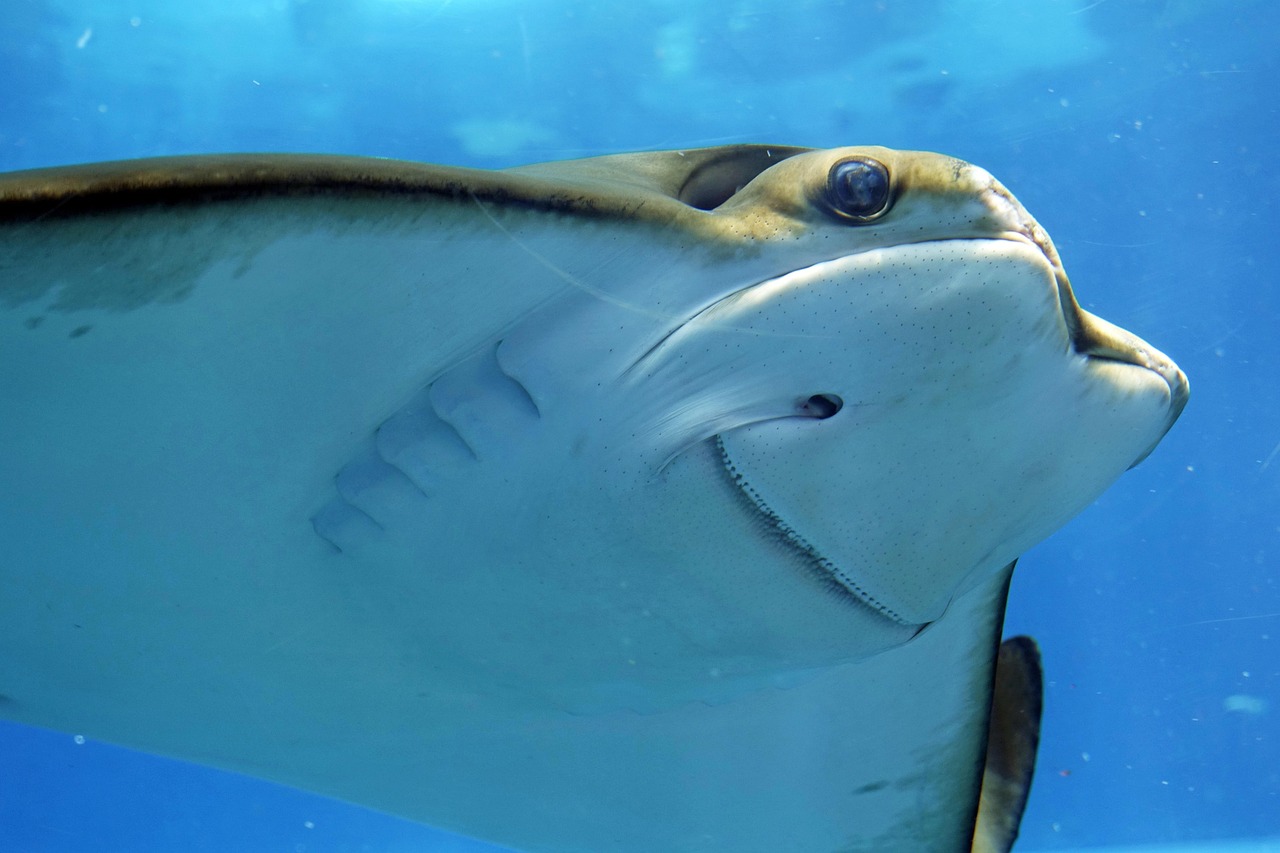
A fish gasping at the surface with clamped fins is a distressing sight — and bacterial gill disease is one of the most under-diagnosed causes of that behaviour. Learning to treat bacterial gill disease in aquarium fish early is the difference between saving a tank and losing one. Gensou Aquascaping at 5 Everton Park, Singapore has seen this condition spike in local hobbyist tanks during Singapore’s humid transitional months when ambient temperatures fluctuate and dissolved oxygen dips.
Understanding Bacterial Gill Disease
Bacterial gill disease (BGD) is caused primarily by Flavobacterium branchiophilum and related Cytophaga-like bacteria. These filamentous bacteria colonise gill tissue, impairing gas exchange. Unlike ich or velvet, BGD has no visible spots — it attacks the gills directly, making it easy to misattribute symptoms to poor water quality or swim bladder issues.
The condition is opportunistic. Healthy gills resist colonisation well, but stress — from overcrowding, rapid temperature swings, high ammonia, or physical injury — creates entry points. In Singapore’s warm climate, water temperatures above 30°C combined with low oxygen levels create ideal conditions for bacterial proliferation.
Recognising the Symptoms
Rapid gill movement is the first red flag. Affected fish breathe noticeably faster than tankmates, and many congregate near the surface or hang near filter outlets where oxygen is highest. As the disease progresses, gills may appear pale, swollen, or covered with a brown to grey mucus when examined closely. Affected fish show lethargy, loss of appetite, and clamped fins.
In severe cases, you may notice gill covers (opercula) held permanently open, exposing visibly damaged tissue. Mortality can be rapid — within 48 hours in acute outbreaks, particularly in smaller fish under 3 cm.
Confirming the Diagnosis
Ruling out other causes is essential before treating. Test ammonia, nitrite, nitrate, and dissolved oxygen first. Ammonia above 0.25 ppm or nitrite above 0 ppm will cause gasping that mimics BGD. If water parameters are clean and surface gasping persists, examine a gill scraping under a microscope or consult a veterinarian. Many local aquarium shops in Singapore can arrange a basic gill scraping for diagnosis.
External parasites like Dactylogyrus (gill flukes) produce identical symptoms and must be distinguished from bacterial infection — the treatments differ significantly.
Treatment Protocol
Move affected fish to a quarantine tank of at least 20 litres immediately. Raise aeration significantly — a second airstone running at full capacity doubles available oxygen while the gills heal. The standard antibiotic treatment for BGD in freshwater fish involves broad-spectrum bactericidals. Kanamycin sulphate dosed at 250 mg per 40 litres every 48 hours for three treatments is effective against Flavobacterium. Alternatively, a salt bath (3 g per litre) can provide mild relief and reduce bacterial load on gill surfaces.
Some hobbyists in Singapore have had success with commercially available products containing potassium permanganate as a short-duration bath — 5 mg per litre for 30 minutes — but this requires precise measurement and is not recommended for beginners without guidance. Always remove activated carbon from the filter during any chemical treatment.
Treating the Display Tank
If multiple fish show symptoms, the entire tank must be treated. A full antibiotic course in a display tank risks disrupting beneficial bacteria in your biological filter. Compensate by reducing feeding by half and testing ammonia daily during treatment. Adding a bottle of nitrifying bacteria supplement — available at local shops for around $8–15 — helps maintain the nitrogen cycle through the disruption.
Improving Water Conditions
BGD rarely strikes a well-managed tank without cause. Perform a 30% water change before starting treatment and identify the stressor that triggered the outbreak. Common culprits in Singapore include: temperature spikes during hot afternoons in unconditioned rooms, overstocking, and PUB tap water that has been improperly dechlorinated. Chloramine — used in Singapore’s water supply — is more harmful to gill tissue than chlorine and requires a dedicated dechlorinator containing sodium thiosulphate and a chloramine-specific component.
Prevention Going Forward
Healthy gills depend on consistently good water quality, appropriate stocking density, and zero ammonia spikes. Quarantine all new fish for a minimum of two weeks before introduction — BGD is commonly introduced via new stock. Running a UV steriliser at a flow rate that achieves at least 99% pathogen kill (typically 1–3 watts per 100 litres depending on the unit) significantly reduces waterborne bacterial load. Regular partial water changes of 20–30% weekly remain the single most effective preventive measure for bacterial disease across all freshwater systems.
Related Reading



