
How to Propagate Water Wisteria: Cuttings, Plantlets and Floating
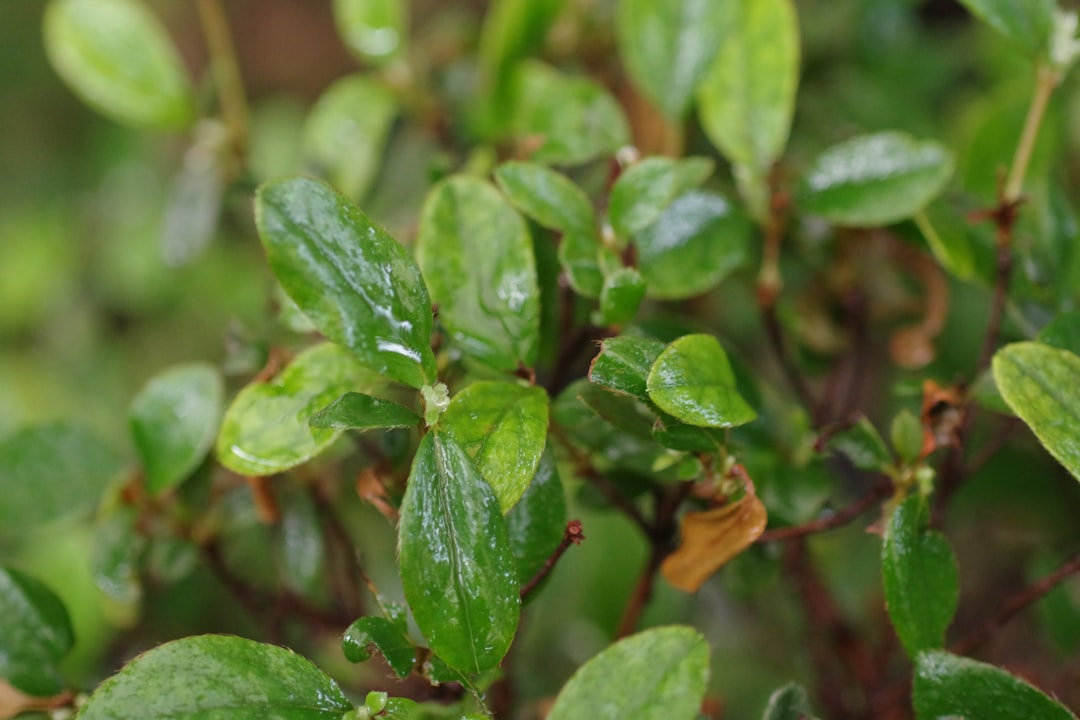
Water wisteria (Hygrophila difformis) is one of the fastest-growing and easiest plants to propagate in the aquarium hobby. Within weeks, a single stem can become a dense thicket if you know the right techniques. This guide from Gensou Aquascaping at 5 Everton Park shows you how to propagate water wisteria using three reliable methods.
Why Water Wisteria Propagates So Easily
Water wisteria is naturally adapted to seasonal flooding in its native South and Southeast Asian habitats. Fragments broken off by water currents readily establish as new plants — a survival strategy the aquarist can exploit. Virtually any part of the stem with a node can produce roots and new growth, making it one of the most forgiving plants to multiply.
Method 1: Stem Cuttings
This is the most common and reliable method. Cut a healthy stem at least 10–15 cm long, making the cut just below a leaf node. Remove the lowest two to three sets of leaves to expose nodes that will produce roots. Push the bare end 3–4 cm into the substrate. Within five to seven days, white roots emerge from the buried nodes, and new growth appears at the top within two weeks. The parent plant responds by producing two or more side shoots from the cut point, becoming bushier over time.
Method 2: Adventitious Plantlets
Water wisteria is one of the few aquarium plants that produces adventitious plantlets directly on its leaves. When mature leaves are left floating or when leaf fragments settle on the substrate, tiny plantlets with roots sprout from the leaf margins. You can encourage this by intentionally placing trimmed leaves on the substrate surface or letting them float at the surface. Once the plantlets develop roots of at least 2 cm, separate them gently and plant them individually.
Method 3: Floating Propagation
Simply let cuttings float at the water surface. The stems quickly develop roots from every node and the leaves grow larger and more deeply lobed than their submersed counterparts, taking on a fern-like appearance. Floating wisteria also serves a functional role — it absorbs excess nutrients, provides shade for fish and shrimp, and creates a natural look in breeding tanks. Once the floating stems have developed a robust root system, you can plant them in the substrate for a head start.
Tips for Faster Growth
Moderate to high lighting speeds up propagation dramatically. CO2 injection, while not required, can double the growth rate. Dose liquid fertiliser regularly — water wisteria is a nutrient sponge that benefits from both water column and root feeding. Maintain temperatures between 24 °C and 28 °C for optimal growth. In Singapore’s tropical climate, unheated tanks usually fall within this range.
Managing Overgrowth
Water wisteria’s biggest challenge is managing its explosive growth. In a well-lit, CO2-supplemented tank, it can grow 10–15 cm per week. Regular trimming every one to two weeks prevents it from shading lower plants. Prune from the top, replant the best cuttings and discard or share the rest. Many Singapore hobbyists trade excess cuttings in local aquarium groups online.
Troubleshooting
Cuttings that melt back after planting are adjusting to new conditions — leave them in place and new growth will follow. Narrow, undivided leaves suggest low light levels; increase lighting to encourage the characteristic deeply lobed leaf shape. Yellowing leaves indicate nutrient deficiency, particularly nitrogen or iron. Healthy water wisteria grows fast enough to serve as a reliable indicator of your tank’s nutrient levels.
Related Reading



