
Hygrophila Polysperma Care Guide: The Fastest Grower in the Hobby
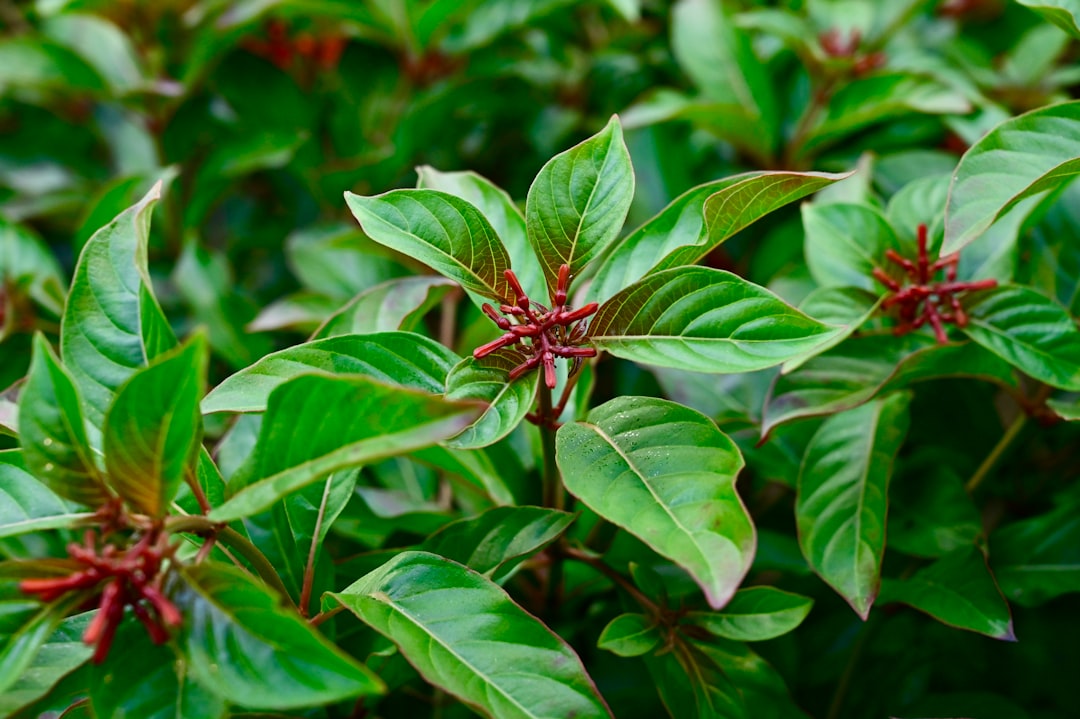
This hygrophila polysperma care guide covers everything you need to know about one of the most vigorous aquarium plants in the hobby. Known affectionately as Dwarf Hygro, this species grows so rapidly that even absolute beginners find success with it. At Gensou Aquascaping at 5 Everton Park, we often recommend it as a first stem plant because its forgiving nature builds confidence while teaching essential trimming and maintenance skills.
Species Background
Hygrophila polysperma originates from the Indian subcontinent, where it grows along riverbanks and in marshy areas. It was among the earliest tropical stem plants introduced to the aquarium hobby and has remained popular for decades. The species is so adaptable that it is classified as invasive in several countries, though this tenacity is precisely what makes it such a reliable aquarium plant.
Submersed leaves are typically light green and lance-shaped, growing in opposite pairs along the stem. Some cultivated varieties, such as the popular “Rosanervig” form, display pink veining that adds visual interest to the standard green.
Lighting and Growth Rate
Hygrophila polysperma will grow under virtually any light level. Under low light, stems stretch upward with moderate internodal spacing. Under medium to high light, the plant becomes bushier and the leaves may develop a slight pinkish tinge at the tips.
Growth is remarkably fast — expect several centimetres of new growth per week even in low-tech tanks. In high-tech setups with CO2 injection and strong lighting, you may find yourself trimming twice a week to keep the plant in check. This rapid growth makes it an excellent nutrient sponge, which helps control algae in newly established aquariums.
CO2 and Nutrient Needs
Pressurised CO2 is entirely optional for this species. In tanks without CO2, Hygrophila polysperma still grows at a pace that outstrips most other plants. Adding CO2 at 20 to 30 parts per million simply accelerates growth further and can encourage more compact leaf spacing.
Because the plant grows so quickly, it consumes macronutrients at a high rate. Dose nitrogen, phosphorus and potassium regularly to prevent deficiencies. In heavily planted tanks, you may need to increase dosing frequency. Iron supplementation keeps the leaves a vibrant green and supports any pink colouration in variegated forms.
Water Parameters for Singapore Conditions
This plant accepts a pH range of 5.5 to 8.0 and general hardness from 2 to 20 dGH. Singapore’s tap water is well within these bounds, so no special adjustment is needed. Temperature tolerance ranges from 18 to 30 degrees Celsius, covering the full spectrum of typical Singapore room temperatures.
Hygrophila polysperma is one of the few stem plants that genuinely thrives in Singapore’s warm water without any cooling measures. This makes it particularly suitable for low-tech, no-chiller setups that are common among hobbyists living in HDB flats.
Planting and Aquascaping Uses
Use Hygrophila polysperma as a background or midground plant. Its rapid vertical growth means it reaches the water surface quickly in most tanks. Plant stems in groups of five or more, spacing them two to three centimetres apart. A nutrient-rich substrate helps but is not essential, as the plant absorbs most nutrients through its leaves.
In Dutch-style aquascapes, Hygrophila polysperma creates excellent “streets” of colour when trimmed to a uniform height. It also works well as a fast-growing filler behind slower species, creating a lush backdrop within weeks of planting.
Trimming and Propagation
Regular trimming is not just recommended — it is essential. Without pruning, the plant quickly overshadows everything else in the tank. Cut stems to your desired height and replant the tops directly into the substrate. Each cutting roots within days.
The original stem produces multiple side shoots after trimming, doubling or tripling the number of growing tips. After two or three rounds of cut-and-replant, you will have a dense thicket. Share excess trimmings with fellow hobbyists or compost them responsibly — never release this species into local waterways.
Common Problems and Solutions
Yellowing lower leaves indicate insufficient nitrogen or light reaching the base of the stem. Thin out dense groups to improve light penetration and increase nitrogen dosing. Stunted tips with curled leaves suggest a calcium or micronutrient deficiency — check your GH and consider adding a trace element supplement.
Algae on polysperma leaves is uncommon due to the plant’s rapid growth, but it can occur in tanks with excessive lighting and insufficient nutrient dosing. Reduce the photoperiod to seven hours and balance your fertilisation regime if green spot or hair algae appear.
Final Thoughts
Hygrophila polysperma is the quintessential beginner stem plant, but even experienced aquascapers appreciate its utility as a nutrient sponge and fast-growing backdrop. Its tolerance of Singapore’s warm, moderately hard water makes it a low-effort addition to almost any setup. Drop by Gensou Aquascaping to pick up healthy stems and get tailored advice for your tank.
Related Reading
- Hygrophila Corymbosa Care Guide: The Bulletproof Background Plant
- Hygrophila Difformis Care Guide: Water Wisteria Growth and Trimming
- Hygrophila Lancea Care Guide: Compact Red-Brown Araguaia
- Hygrophila Pinnatifida Care Guide: The Fern-Like Epiphyte
- Hygrophila Pinnatifida UK Care Guide: Bronze Leaves on Wood



