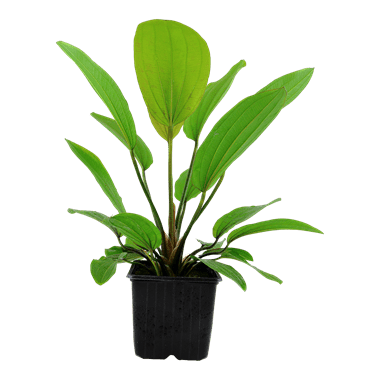
Tropica Lagenandra meeboldii ‘Red’ in Pot
Out of stock
Ask on WhatsAppDescription
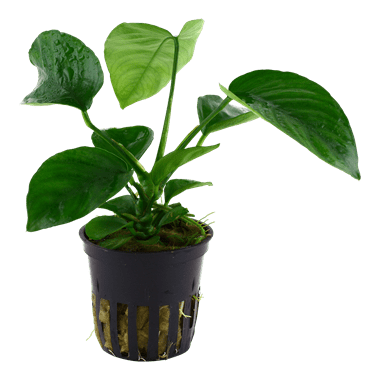
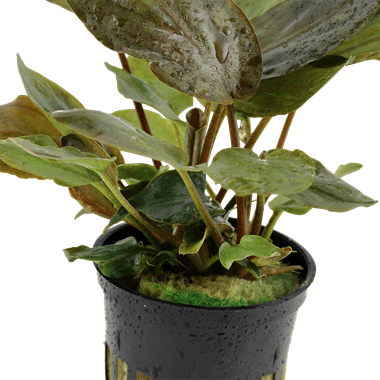
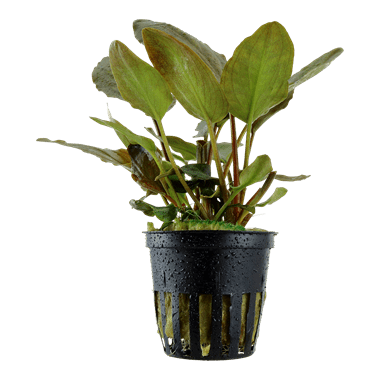
LAGENANDRA MEEBOLDII ‘Red’This plant is originally from India and is quite similar to a medium-sized, broad-leaved Cryptocoryne. It can be used in the aquarium like Cryptocorynes, but needs sufficient light to develop colours.
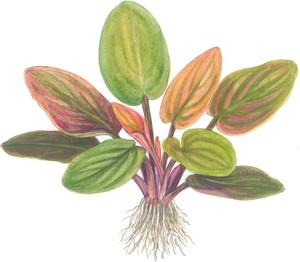
The leaves are 4-8 cm wide and 6-12 cm long, so the whole plant becomes relatively wide.
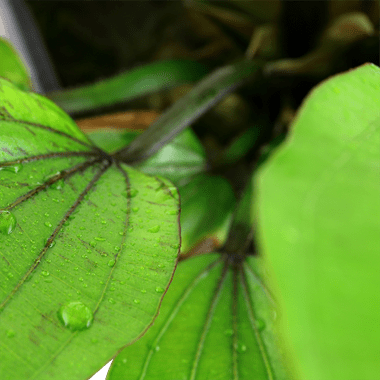
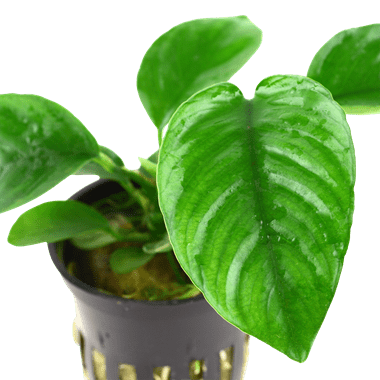
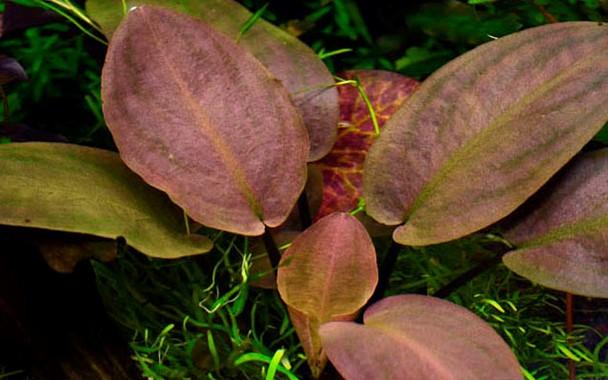
The colours range from dusty green with bright violet to red-violet often on the same leaf. New leaves are pale pink.PLANT INFO:
Type:
Rosulate
Origin:
Asia
Country or continent where a plant is the most common. Cultivars arise or are bred in cultivation.
Growth rate:
Growth rate of the plant compared to other aquatic plants.
Height:
10 – 20+
Average height (cm) of the plant after two months in the tank.
Light demand:
The average or medium light demand of an aquarium plant is 0,5 W/L.
CO2 :
A medium need in CO2 is 6-14 mg/L. A high demand in CO2 is approx. 15-25 mg/L.
Tropica Lagenandra meeboldii ‘Red’ in Pot for SG Tanks
This Indian plant is a striking alternative to the usual Cryptocorynes, and we suggest it to hobbyists who want broad, colourful leaves as a mid-ground specimen. The 4-8cm wide leaves can range from dusty green through bright violet to red-violet, often on the same plant, giving a single specimen real depth. Supplied potted, it establishes slowly but steadily once its roots take hold.
Like a Cryptocoryne, it is a patient, root-feeding plant rather than a fast filler, so plant it and leave it undisturbed to settle. It needs sufficient light to develop those violet tones; in dimmer corners it stays green. In our warm 27-29C tap water a nutritious substrate and the occasional root tab keep it healthy, and its relatively wide spread means it appreciates a little open space.
Browse companions in our live plants range. Feed the roots with our root tabs guide, and if older leaves dissolve after planting, our plant melting guide explains the settling-in process.