Low Iron Glass Aquarium Guide: Crystal Clarity for Display Tanks
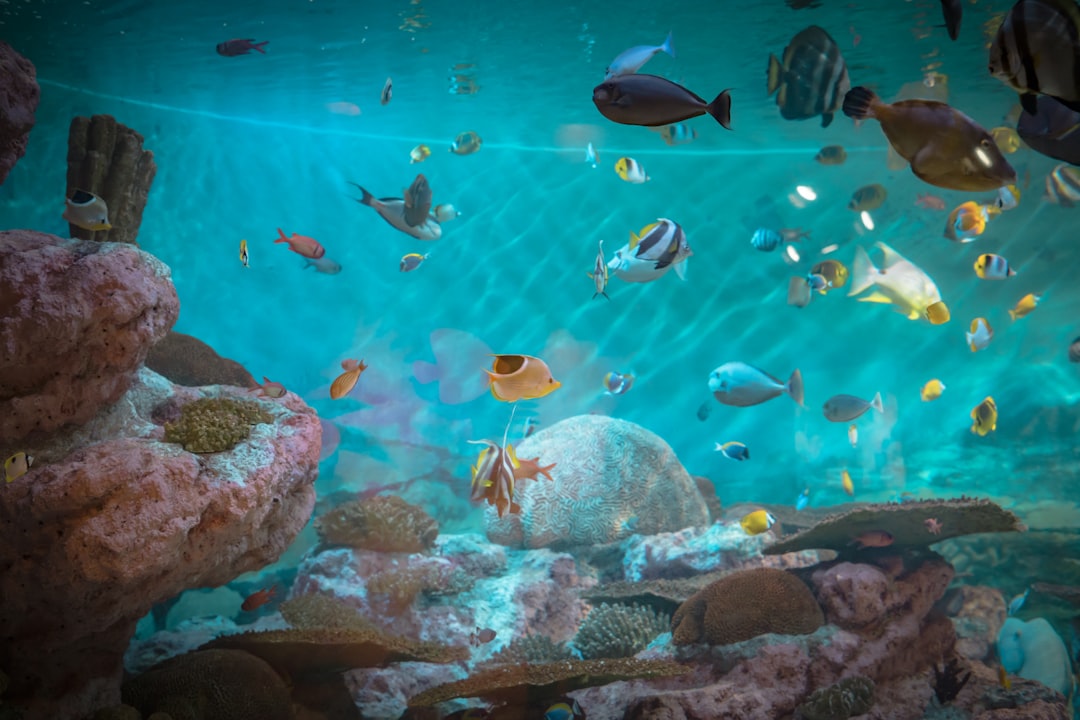
Standard float glass has a subtle green tint that most hobbyists never notice until they place it beside a panel of low iron glass. This low iron glass aquarium guide from Gensou Aquascaping at 5 Everton Park walks you through the optical and practical differences, the local brands worth requesting, and whether the price premium earns its keep on a display tank. The difference is most obvious on thicker panels beyond 10 mm, where standard glass accumulates a cumulative green cast that distorts the perceived colour of reds, yellows, and whites behind it. For a centrepiece scape, that tonal shift is the difference between a photograph-ready display and a tank that looks slightly off in every photo.
What Makes Low Iron Glass Different
The green tint in standard soda-lime glass comes from iron oxide impurities in the silica sand used during manufacture. Low iron variants, marketed under names such as Starphire, Optiwhite, Diamant, and Ultra Clear, reduce iron content to under 0.01 percent, producing a panel that transmits roughly 91 percent of visible light compared with 83 to 87 percent for standard float. You notice this most in the blues and the absence of that bottle-glass hue along cut edges.
Manufacturing also matters. Pilkington Optiwhite and Saint-Gobain Diamant are two premium European sources; most tanks sold in Singapore under the low iron label use panels imported from China, Korea, or Japan. Quality varies, so ask your fabricator which source they cut from.
When the Upgrade Is Worth It
For a 60 cm planted nano with 8 mm glass, the colour shift is modest and arguably not worth the roughly 40 to 60 percent surface area cost increase. Push to a 120 cm tank with 12 mm glass, though, and the green cast on the front panel becomes genuinely intrusive, particularly when photographing reds such as Rotala macrandra or the orange flanks of a German blue ram.
Marine reef keepers running strong blue LED lighting also benefit. The blue wavelengths interact with iron-tinted glass to produce a subtle cyan skew that flattens coral fluorescence; low iron panels let zoas and acros pop as intended.
Singapore Fabricators and Pricing
Aquazonic offers low iron glass as a standard option on their custom tank line and is a common choice for display builds in the 90 to 180 cm range. N30 Tank in the Pandan Loop area, AquaDecor, and several smaller workshops clustered around Serangoon North Avenue 1 will also fabricate to spec. Expect a surcharge of roughly $180 to $350 on a 120 cm tank compared with float glass equivalents, with larger four and five foot builds adding $500 or more.
Request a sample off-cut before committing. A 10 cm square held against a white wall next to a standard float off-cut tells you immediately whether the premium you are paying delivers genuine clarity or a negligible improvement.
Glass Thickness and Structural Considerations
Low iron glass has the same mechanical properties as standard float, so thickness calculations do not change. A rimless 90 cm tank still needs 10 mm glass; a braceless 120 cm build wants 12 mm minimum. What does change is your tolerance for scratches, because every flaw is more visible without a green tint to mask it. Handle panels with care during setup and never drag rocks or driftwood against the front glass.
Polished edges are mandatory on rimless builds, and most Singapore fabricators now offer beveled or chamfered edges as a no-cost option on low iron orders. Chamfered edges reduce chipping during transport through lift lobbies and narrow HDB corridors.
Silicone and Seam Aesthetics
Clear silicone seams look noticeably cleaner against low iron glass than black silicone, which is the reverse of what works best on standard float. The higher light transmission makes black seams look heavier, while clear silicone almost disappears. Specify this at order time, as most local fabricators default to black unless asked.
Mitred corners, where panels are cut at 45 degrees and joined seamlessly, take the aesthetic further still. Only a handful of workshops in Singapore offer mitred construction and pricing typically adds another 30 to 50 percent, but the result is a glass cube that appears to have no visible silicone line at the front corners.
Photography and Viewing Angles
Standard glass shifts colour balance toward green in photos, which even aggressive white-balance correction struggles to fully undo. Low iron panels produce images that match what you see with your eyes, and the difference is dramatic in wide-aperture macro shots of nano scapes. If you plan to document your tank for Instagram, an aquascaping contest, or the IAPLC, low iron is the pragmatic choice.
Viewing angle also improves. Green tint accumulates when you look through the long axis of a tank; low iron keeps the far end of a 150 cm scape visually consistent with the front, giving depth and detail where standard glass flattens everything into murk.
Maintenance Differences
Low iron glass is slightly softer than tempered float because tempering is uncommon in this category for aquarium use. Use plastic or ceramic-blade algae scrapers; never use stainless steel razor blades that carry mineral grit on the edge. Hard water deposits etched into low iron panels are more visible than on standard glass, so weekly wipes of the water line with a damp microfibre become more important.
Related Reading
- Aquarium Glass Thickness Calculator Guide
- Rimless Aquarium Tank Guide
- Custom Aquarium Build Guide Singapore
- HDB Aquascaping Weight Load Guide
- Aquascape Photography Tips for Contest Entries
Conclusion
Low iron glass is not a universal upgrade, but on a display tank above 90 cm, or any rimless build intended for photography, the clarity difference repays the premium. Specify the glass source, request sample off-cuts, and pair the upgrade with clear silicone or mitred corners to get the full visual benefit. For most centrepiece scapes in Singapore homes, the extra $200 to $500 spent at build time is the single best-value optical improvement you can make.