
Marine Aquarium Water Changes: How Much, How Often and Why
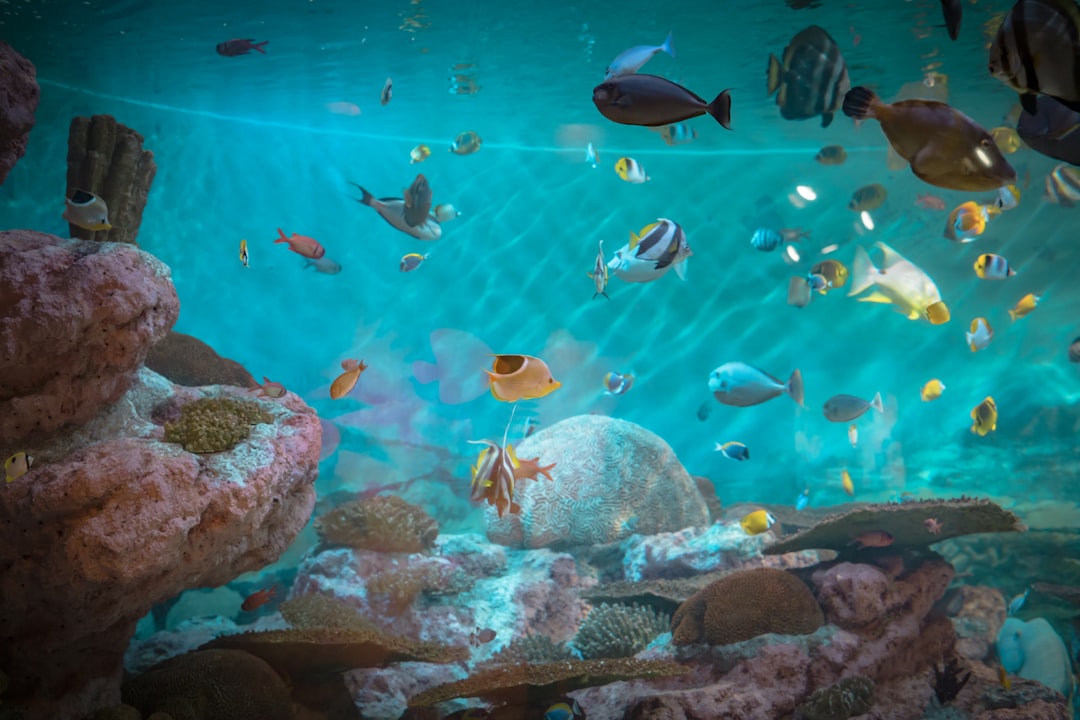
Water changes are the single most effective maintenance task in marine fishkeeping, yet they are also the most debated. How much? How often? Does it really matter? This marine aquarium water changes schedule guide cuts through conflicting advice to give you a clear, practical routine. At Gensou Aquascaping Singapore, we have maintained marine systems for over 20 years, and consistent water changes remain the foundation of every healthy reef we manage. This guide sits inside our broader Saltwater Reef Tank Master Guide reference.
Why Water Changes Matter
Beyond diluting nitrate and phosphate, water changes replenish trace elements like calcium, magnesium, strontium, and iodine that corals and invertebrates consume daily. They also remove dissolved organic compounds that protein skimmers miss and help stabilise pH by restoring carbonate buffering capacity. No piece of equipment — however expensive — fully replaces the benefits of regular partial water changes.
Recommended Schedule
For most reef tanks, a weekly water change of 10-15 percent strikes the best balance between effectiveness and convenience. Fish-only marine tanks can stretch to 15-20 percent biweekly if nitrate levels remain below 20 ppm. Heavily stocked systems or tanks with demanding SPS corals may benefit from 10 percent twice weekly. Start with a weekly 10 percent change and adjust based on your test results over the first month.
Preparing Replacement Water
Always premix your saltwater at least 12-24 hours before the scheduled change. Use RO/DI water mixed with marine salt to a specific gravity of 1.025, and match the temperature to your display tank — typically 25-26 degrees C for Singapore reef setups. Pouring cold or improperly salted water into a reef triggers stress responses in fish and can shock corals. A dedicated 20-litre mixing container with a small powerhead and heater costs under $60 SGD and makes the process almost effortless.
The Water Change Process
Siphon water from the display tank using a gravel vacuum or airline tubing, targeting detritus that collects behind rockwork and in low-flow areas. Avoid disturbing the sand bed aggressively, as this can release trapped hydrogen sulphide in deeper substrates. Slowly add the premixed replacement water — pour it against the glass or over a rock to diffuse the flow rather than blasting livestock directly. The entire process takes 15-20 minutes for a 120-litre tank once you have a routine established.
Top-Off vs Water Change
A frequent source of confusion among beginners is the difference between topping off evaporation and performing a water change. Evaporation removes water but leaves salt behind, so top-offs must use fresh RO/DI water — never saltwater. Water changes replace tank water with new saltwater to dilute waste and replenish minerals. In Singapore’s warm, humid climate, evaporation rates can reach 1-2 litres per day on an open-top 120-litre tank. An auto top-off (ATO) system handles this automatically for around $50-100 SGD.
Signs You Need More Frequent Changes
Rising nitrate above 20 ppm, declining pH below 8.0, nuisance algae blooms, and coral recession all signal that your current schedule may be insufficient. Before increasing frequency, verify that overfeeding, overstocking, or inadequate protein skimming are not the root cause. Addressing the source of excess nutrients is always more sustainable than simply compensating with larger water changes.
Can You Do Too Many Water Changes?
In theory, excessive water changes can strip beneficial bacteria and destabilise parameters. In practice, hobbyists rarely change enough water for this to be a concern. Changing more than 30 percent at once is generally unnecessary and risks shocking livestock with parameter swings. If your tank requires massive water changes to keep nitrate in check, revisit your stocking levels, feeding amounts, and filtration capacity rather than relying on heroic maintenance efforts.
Related Reading



