
Mother Plant Maintenance Guide: Keeping Stock Tanks Healthy
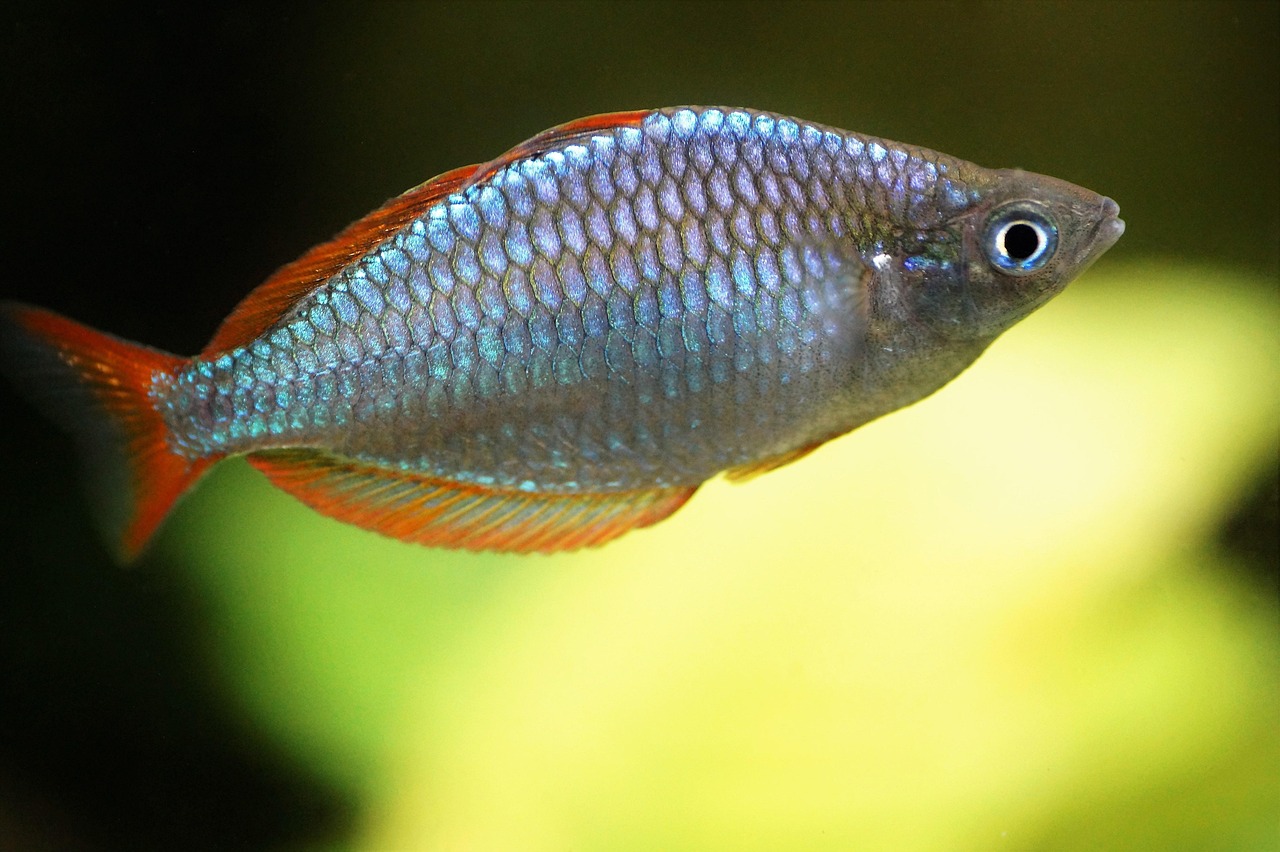
Every serious planted tank hobbyist eventually ends up with a second, less glamorous aquarium: the stock tank that quietly feeds cuttings into the display. This mother plant maintenance guide from Gensou Aquascaping at 5 Everton Park, Singapore, draws on over 20 years of propagating stems and rhizomes for shop displays, aquascaping contests, and contest-rescue replanting. A well-run mother tank is not pretty, but it should be productive, disease-free, and predictable. Get that right and your display will never run short of a key species again.
Why a Dedicated Stock Tank Pays Off
Pulling cuttings from your display damages the aquascape week after week. A separate mother tank solves two problems: it absorbs the harvesting damage, and it lets you push plants harder than any display could tolerate. You can run higher light, heavier CO2, and aggressive fertiliser without worrying about algae on hardscape or stressed fauna. In Singapore where aquatic plant prices at Thomson and Clementi shops routinely sit at $6-12 a pot, a 60cm mother tank pays for itself within six months of moderate use.
Choosing the Right Tank Size
Go wider rather than taller. A shallow 60x30x30cm tank at roughly 50 litres holds enough stems for a 90cm display yet keeps light penetration strong and trimming access easy. Rimless is not necessary — a cheap braced tank from Seaview or one of the second-hand deals on Carousell works fine. Leave the back glass clear so you can spot root growth on the Anubias and Bucephalandra attached to the rear wall.
Substrate and Hardscape Strategy
Skip the expensive aquasoil. Use inert sand or gravel with root tabs under stems, because you will be tearing plants up regularly. Lay a flat piece of lava rock along the back to mount epiphytes; the porous surface grips roots within days and lets you lift out an entire colony in seconds. Avoid driftwood — it traps trimmings, sheds tannins, and gets in the way of your tweezers.
Lighting for Maximum Growth
Run 60-80 PAR at substrate level with a 10-hour photoperiod. A twin Chihiros WRGB2 or a pair of budget Week Aqua lights gives you the intensity without breaking budget. Longer photoperiods push faster biomass but also invite algae; ten hours with CO2 injection is the reliable sweet spot. Keep the tank lid open or screened — emersed growth on stems you let surface gives you free backup cuttings that are already hardened for customers wanting semi-aquatic displays.
CO2 and Fertiliser Dosing
Aim for 35-40 ppm CO2, a touch higher than a typical display, and keep the drop checker lime green throughout the photoperiod. Dose an EI-level fertiliser mix: 20 ppm NO3, 3 ppm PO4, and 25 ppm K weekly, split across daily doses. Micros go in on alternate days at 0.3 ppm Fe. In Singapore’s soft PUB water (GH 2-4), remineralise with Salty Shrimp GH/KH+ to around GH 6 and KH 3. This is non-negotiable for Rotala, Ludwigia, and any red stem that sulks at low hardness.
Trimming Cycles and Harvest Rhythm
Stem plants like Rotala rotundifolia, Ludwigia arcuata, and Pogostemon erectus want topping every 10-14 days. Replant the cut tops, discard the old base after three or four cycles, and keep the tank young. Rhizome plants — Bucephalandra, Anubias, and Java fern variants — get divided every three to four months. Mosses need monthly haircuts to prevent die-off in the shaded interior; a pair of curved scissors and a turkey baster cleans them in minutes.
Water Changes and Parameter Stability
Change 50 per cent weekly. Heavy dosing builds up residues fast, and in Singapore’s warm 28-30°C room temperatures, dissolved organics climb faster than in temperate setups. If you’re growing heat-sensitive species like Eriocaulon or Erio sp. Vietnam, add a small clip-on fan to drop tank temperature to 25-26°C during the photoperiod. A chiller is overkill unless you’re also keeping cool-water shrimp downstream.
Pest and Algae Control
Quarantine every incoming plant for two weeks in a bare tub with an alum dip (3 tablespoons per 4 litres for 24 hours) to kill snail eggs, hydra, and planaria. Nothing ruins a stock tank faster than a pond snail bloom chewing new growth. Keep a small crew of Neocaridina and a couple of Otocinclus in the mother tank itself for maintenance — they clear biofilm without touching healthy plants. Dose Seachem Excel spot-treatment onto any BBA flare before it spreads.
Record Keeping and Labelling
Tape small waterproof labels behind each species with purchase date and source. If you sell or trade cuttings, buyers increasingly ask for provenance, and lineage matters for rare cultivars like Bucephalandra ‘Kedagang’ or tissue-culture-origin Hemianthus. A simple spreadsheet tracking dose, trim date, and yield per species tells you within a month which plants are earning their space.
When to Retire a Mother Plant
Stem plants eventually stop producing strong new tops after six to eight months of repeated harvesting. Roots get woody, internodes stretch, and colour fades even under the same light. Pull the old stock, give the substrate a deep rinse, and replant with the freshest tops you kept aside a few weeks prior. Rhizome plants last years but benefit from a full rhizome reset every 18 months to clear dead tissue and stimulate new shoots.
Related Reading



