
“Myth: Shrimp Tank Need No Filter Debunked Guide”
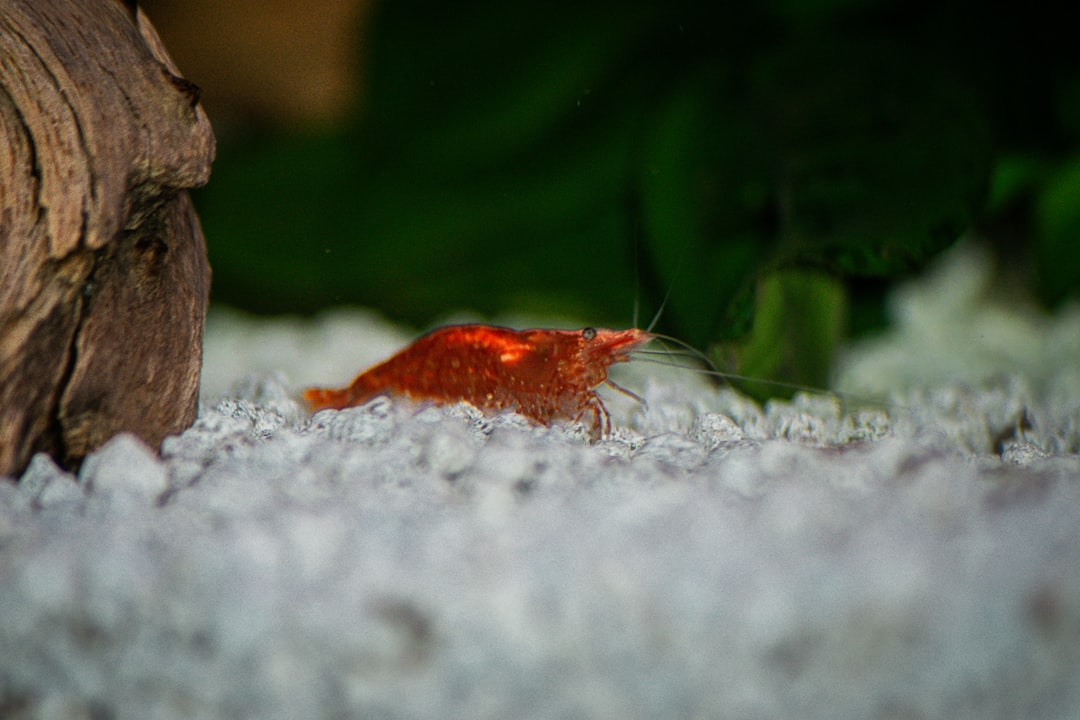
The cherry shrimp scene on Singapore Carousell and shrimp-keeping Facebook groups has produced one persistent piece of misinformation: that shrimp tanks need no filter at all. The myth shrimp need no filter belief usually traces back to misunderstood “low-flow” advice or to Walstad-method jars that rely on heavy plant mass to substitute for biological filtration. This guide from Gensou Aquascaping at 5 Everton Park dismantles the myth shrimp need no filter claim with shrimp biology, biological filtration principles, and the realistic Walstad exception that actually does exist.
The Myth
“Shrimp tanks need no filter. The bioload is so low that filtration is unnecessary, and filter intakes suck up shrimplets anyway. Just do water changes and watch the colony thrive.”
Why It Spreads
The myth has two roots. First, shrimp do produce far less waste than fish per gram of biomass, so the bioload argument has surface validity. Second, advice against high-flow canister filters with unprotected intakes (which genuinely do harm shrimp colonies) gets simplified through forum game-of-telephone into “no filter at all.” The Walstad jar method, which truly does run filterless on heavy plant load, gets cited without the careful caveats that make it work.
The Reality
All aquariums need biological filtration to convert ammonia and nitrite into less harmful nitrate. Shrimp produce ammonia like any other organism — less per individual, but a colony of 100 cherry shrimp produces meaningful waste. Without a biological filter (the surface area where nitrifying bacteria live), ammonia accumulates and shrimp die from chronic exposure. The bacteria can colonise plant surfaces, sand grains and tank walls, but a sponge filter dramatically increases that surface area and provides reliable nitrification.
The Evidence
Shrimp toxicity studies show Neocaridina cherry shrimp suffer mortality at sustained ammonia above 0.5 ppm, with severe losses above 1 ppm. Unfiltered shrimp tanks of typical 30-40 litre size and 50-80 shrimp population routinely measure 0.5-2 ppm ammonia within two weeks of stocking. Tanks with even minimal sponge filtration consistently hold ammonia at undetectable levels. Caridina (Crystal Red, Taiwan Bee) shrimp are even more sensitive — sustained ammonia above 0.25 ppm halts breeding and triggers moulting failures.
What to Do Instead
Use a sponge filter as the minimum. The QANVEE Bio Sponge Filter, Hailea sponge units or DIY foam-on-tube setups all work. Air-driven flow is gentle enough that shrimplets are never sucked in, and the sponge surface area supports a large nitrifying colony. For larger shrimp tanks (60+ litres), a small canister with sponge prefilter on the intake works well. Browse the filter and pump range for shrimp-safe options.
Edge Cases
The honest exception is the genuine Walstad jar — a 5-20 litre vessel with deep dirt substrate, dense plant mass (vallisneria, anacharis, hornwort filling 80 per cent of volume), low shrimp stocking (10-15 cherries maximum) and zero feeding. The plants consume ammonia directly and biofilm on every surface handles the rest. Walstad jars work — but they require obsessive plant maintenance, are limited in stocking, and are not the same as a “no filter” 60-litre tank with 100 shrimp and supplementary feeding.
The Singapore Angle
Local shrimp keepers in HDB flats often run small 20-30 litre cubes packed with cherry or Caridina colonies. The temptation to skip filtration for aesthetic reasons (visible sponge breaks the iwagumi look) is real, but the consequences appear within months — first reduced breeding, then unexplained mortality. SG aircon temperature swings compound the stress. A discreet small sponge tucked behind hardscape, paired with the water treatment range for monthly testing, ensures the colony actually breeds.
Common Products That Perpetuate the Myth
“Shrimp jar starter kits” sold without filtration at SGD 30-60 on Shopee perpetuate the myth, often paired with overstocking advice. Some aesthetic-focused YouTubers showcase “no filter” shrimp scapes without disclosing the actual stocking levels (often very low) or the constant manual maintenance involved. A proper shrimp setup with the QANVEE Bio Sponge Filter, a small air pump and a 30-40 litre tank costs SGD 80-130 and produces a thriving breeding colony for years.
Related Reading



