Marine Aquarium Maintenance Schedule: Weekly, Monthly and Quarterly Tasks
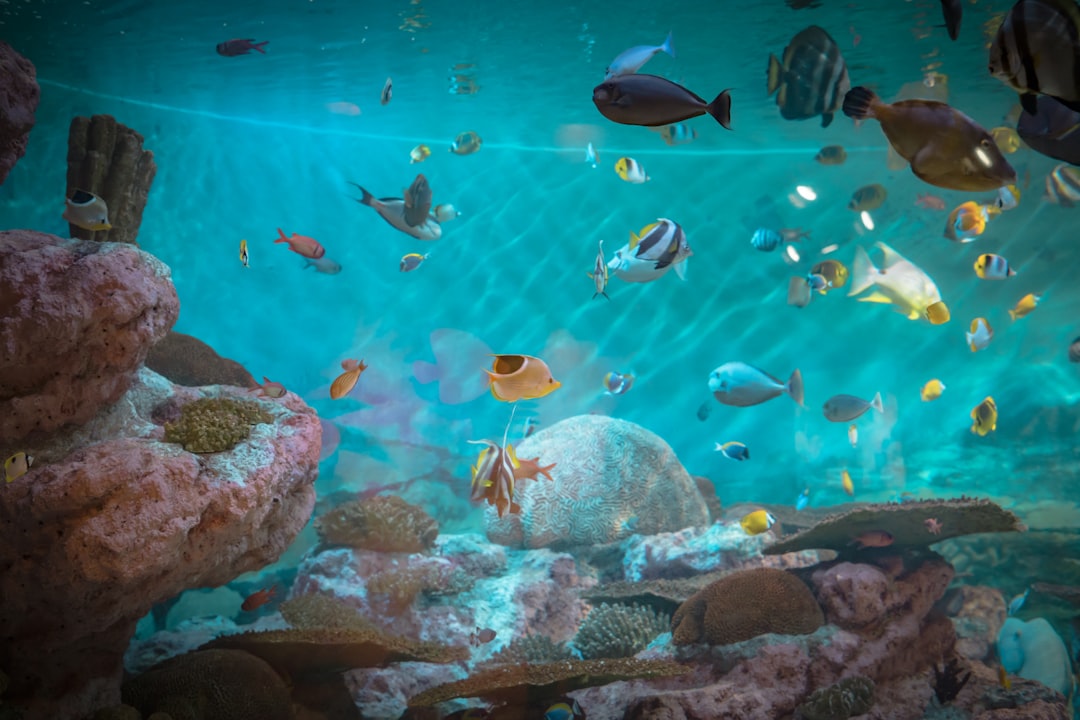
Consistency keeps a marine aquarium alive; neglect invites disaster. A structured marine aquarium maintenance schedule guide removes the guesswork and ensures nothing falls through the cracks — especially important for reef tanks where parameter stability is everything. At Gensou Aquascaping Singapore, we maintain client tanks on fixed schedules, and the routine below reflects over 20 years of hands-on experience with saltwater systems in Singapore’s tropical climate.
Daily Tasks (5 Minutes)
Glance at your tank every day. Check that all equipment is running — a failed heater or powerhead can go unnoticed for days if you are not looking. Verify the temperature reads between 25 and 26 °C (air-conditioned rooms) or up to 28 °C in non-cooled setups. Top off evaporated water with RO/DI freshwater to prevent salinity creep. Feed fish once or twice, removing any uneaten food after a few minutes. These quick checks take under five minutes and catch problems before they escalate.
Weekly Tasks (30-45 Minutes)
Perform a 10 to 15 per cent water change using pre-mixed saltwater matched to your tank’s temperature and salinity. Clean the front glass with a magnetic algae scraper. Test alkalinity, and for reef tanks also check calcium and magnesium — these three parameters drive coral health. Rinse mechanical filter media in old tank water to remove trapped detritus without killing beneficial bacteria. Inspect corals for signs of recession, bleaching or pest hitchhikers like flatworms.
Fortnightly Tasks
Clean protein skimmer cups and necks — a dirty skimmer loses efficiency rapidly. Vacuum visible detritus from the sand bed using a siphon during your water change. Check dosing pump reservoirs if you are running an automated two-part or kalkwasser system. Prune any fast-growing corals that are encroaching on neighbours, and reposition frags that have shifted.
Monthly Tasks (1-2 Hours)
Test nitrate, phosphate and magnesium, comparing results to your running log. Replace carbon or GFO media if you are using a reactor — most brands recommend monthly swaps. Inspect all tubing, connections and return pump impellers for salt creep or blockages. Clean wavemakers and powerheads by soaking them in a citric acid or vinegar solution to dissolve calcium deposits. Check the ATO reservoir and float switch for reliable operation.
Quarterly Tasks
Replace RO/DI membrane and resin cartridges based on TDS readings — in Singapore, PUB tap water has a relatively low TDS, so cartridges may last longer than overseas recommendations suggest, but test rather than assume. Calibrate your refractometer with calibration fluid. Inspect and replace any worn tubing on dosing pumps. Clean the inside of the sump thoroughly, removing accumulated detritus from baffles and chambers. This is also a good time to reassess your stocking plan and consider whether the tank’s bioload has changed.
Seasonal Considerations in Singapore
Singapore does not have dramatic seasonal temperature swings, but the wet season (November to January) can bring slightly cooler nights, affecting non-air-conditioned rooms. Conversely, extended heatwaves push ambient temperatures above 32 °C, challenging even chiller-equipped setups. During hot spells, increase surface agitation, add a clip-on fan across the water surface, or run the air-conditioning more consistently to protect temperature-sensitive corals.
Keeping a Maintenance Log
Record every test result, water change and equipment swap in a simple spreadsheet or notebook. Patterns emerge over weeks — a steady alkalinity decline might signal increased coral growth demanding higher dosing, while rising phosphate could point to overfeeding. A log also helps if you ever need to troubleshoot a sudden problem; you can trace back to exactly when conditions changed.
Related Reading