
Nano Tank Cycling Accelerated Method Guide
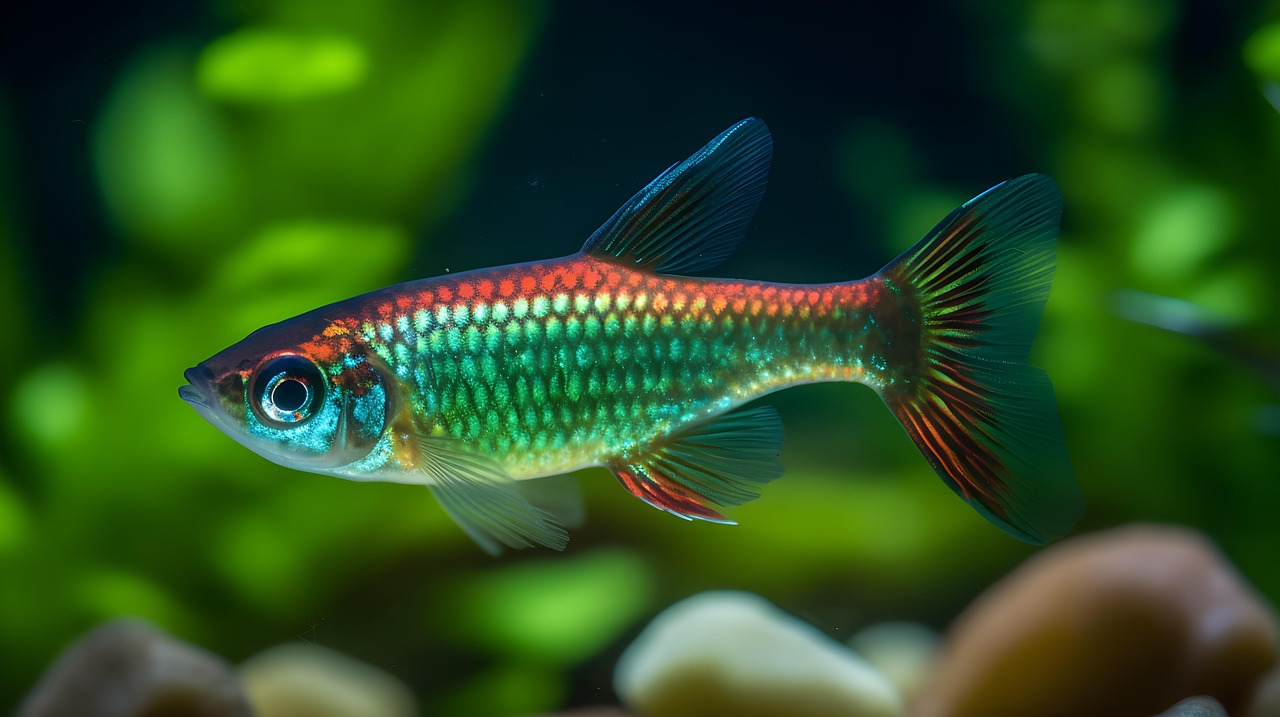
The nano tank cycling accelerated method shrinks the usual 4 to 5 week fishless cycle down to 3 to 5 days when done correctly. At Gensou Aquascaping Singapore, 5 Everton Park, we cycle display nano tanks for clients who cannot wait a month to stock, and the protocol below is what we actually use. Singapore’s warm 28 to 30 degree ambient water accelerates bacterial colonisation compared to temperate climates, which is a rare advantage for local hobbyists.
Why Nano Tanks Cycle Differently
A 10 to 30 litre tank has minimal bacterial reserves. One missed water change during cycling can spike ammonia to 8 ppm overnight. Small volumes also respond faster to additives, which means both bottled bacteria and mature media work harder per millilitre dosed.
The Three Bottled Bacteria Worth Using
Dr Tim’s One and Only (SGD 35 to 45 for 118ml) contains live Nitrosomonas and Nitrobacter cultures with published efficacy data. Fritz Zyme 7 (SGD 30 to 40) runs a similar culture and performs equivalently in side-by-side tests. Both are refrigerated for freshness and expire within a year.
Seachem Stability (SGD 25 to 35) uses spore-forming bacteria that survive shelf storage better but cycle more slowly. Stability takes 7 days to establish; Dr Tim’s and Fritz 7 can carry a lightly stocked tank in 48 hours.
Mature Media: The Free Shortcut
A handful of ceramic rings, a squeezed sponge, or 50ml of substrate from an established tank introduces a complete bacterial colony instantly. Gensou Aquascaping Singapore provides mature media bags to customers who buy complete setups. Ask any friend with an established tank; most aquarists donate freely. See our mature media transfer protocol for safe handling.
The Ammonia Source Question
Fishless cycling needs an ammonia source to feed the bacteria. Dr Tim’s Ammonium Chloride (SGD 25 for 60ml) doses precisely to 2 ppm. Pure ammonia from hardware stores works but must be free of surfactants, scents, and dyes; shake the bottle and reject any that foams.
Dose 2 ppm ammonia at day 0, test at 24 hours. If ammonia drops to 0 and nitrite reads above 0, the first wave of bacteria is alive. Redose to 2 ppm, repeat until ammonia and nitrite both hit 0 within 24 hours. Nitrates above 10 ppm confirm complete cycling.
The Accelerated Protocol, Day by Day
Day 0: fill tank, dechlorinate with Seachem Prime, add mature media plus Dr Tim’s or Fritz 7 per label. Dose ammonia to 2 ppm.
Day 2: test ammonia, nitrite, nitrate. Expect ammonia falling, nitrite rising. Redose ammonia to 2 ppm if it hit 0.
Day 4: ammonia should process in under 12 hours. Nitrite processing begins.
Day 5 to 7: both ammonia and nitrite process to 0 in 24 hours. Water change 30 percent to reduce nitrates, then stock lightly.
The 50 Percent Stocking Rule
Even a successful accelerated cycle cannot support full stocking on day 7. Start at 50 percent of planned bioload, add the rest over two weeks. Pushing this breaks the cycle and causes ammonia spikes.
Risks of the Accelerated Method
Soft water from PUB Singapore tap (low KH around 2 to 3 dKH) can cause pH crashes during cycling that kill nitrifying bacteria. Add one tablespoon of crushed coral to the filter to stabilise KH. Chloramine in tap water kills bottled bacteria on contact; always dechlorinate with Prime or similar before adding cultures.
What Slows the Cycle
Low temperature below 24 degrees, pH below 6.5, medications in the water (especially antibiotics and copper), and UV sterilisers running during cycling will all delay colonisation. Turn off UV for the first two weeks.
Verifying With a Test Kit
API Freshwater Master Test Kit (SGD 45 to 60 at C328) is non-negotiable for cycling. Strips read inaccurately below 0.5 ppm, which is where the cycle actually finishes. Liquid tests are the standard. See our API master test kit reading guide for colour chart tips under Singapore LED lighting.
Fish-In Cycling: The Last Resort
If you already added fish before knowing about cycling, do not panic-drain. Dose Seachem Prime every 48 hours to detoxify ammonia, water-change 25 percent every 2 days, test daily. The cycle still completes in 3 to 4 weeks but fish survive. For prevention advice read small tank filter comparison.
Temperature Accelerates Bacteria
Nitrifying bacteria double fastest at 28 to 30 degrees. Singapore ambient beats temperate-climate cycling times by 30 to 40 percent for free. Do not chill cycling tanks below 26 degrees, even if the target fish prefers cooler water. Drop temperature after cycling completes.
Singapore Sourcing Summary
C328 Clementi stocks Seachem Stability, Prime, and API test kits SGD 25 to 60. Y618 Aquatic Serangoon North carries Fritz Zyme 7 and Dr Tim’s One and Only SGD 30 to 45. Green Chapter Jurong West holds Dr Tim’s full range including ammonium chloride SGD 25. Iwarna Aquafarm supplies bulk Stability to shops. Nature Aquarium Gallery Thomson Road carries ADA Bacter 100 and premium cultures SGD 45 to 70. Polyart handles wholesale. Carousell often lists unopened test kits SGD 30 to 40. Shopee ships Fritz Zyme 7 and Inkbird temperature controllers SGD 30 to 70 with local warehouses delivering overnight.
Related Reading
- Mature Media Transfer Protocol
- API Master Test Kit Reading Guide
- Small Tank Filter Comparison
- Small Tank Heater Sizing Guide
- Best Small Tanks for Beginners Singapore



