
Okavango Delta Biotope Aquascape: Africa’s Jewelled Floodplain
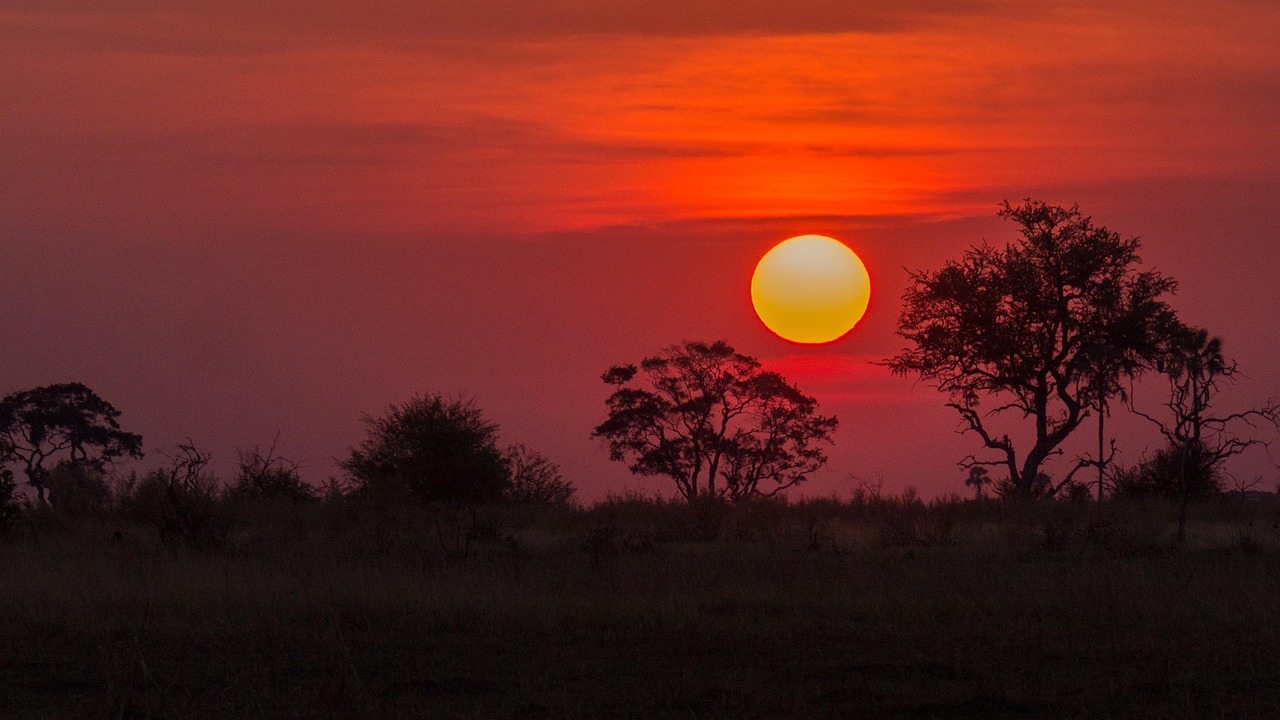
The Okavango Delta in Botswana is one of the planet’s most spectacular freshwater ecosystems, where seasonal floods transform arid savanna into a maze of crystal-clear channels teeming with cichlids, killifish and aquatic grasses. Recreating an Okavango Delta biotope aquascape in your living room brings a slice of that African wonder to Singapore, and the warm climate here actually works in your favour. Gensou Aquascaping at 5 Everton Park has designed several African biotope displays, and this guide shares the practical steps to build one yourself.
Understanding the Okavango Habitat
The delta’s floodplain channels are shallow, sunlit and richly vegetated. Water temperature ranges from 20 to 28 degrees C depending on the season, with pH sitting between 6.5 and 7.5 and moderate hardness. The substrate is predominantly fine sand, pale to golden in colour, overlaid with fallen reed stems and occasional rounded stones. Visibility is often excellent because the slow-moving water filters through dense vegetation before reaching open channels. This clarity is something you can replicate with good filtration and minimal tannin-leaching wood.
Tank Size and Layout
A 90 cm or longer tank works best for capturing the horizontal expanse of a floodplain channel. Depth matters less than length; a 90 x 45 x 45 cm setup holding roughly 180 litres is ideal. Keep the aquascape low-profile to mimic the open, sun-drenched nature of the delta. Pile sand slightly higher at the back and leave a clear foreground swimming lane. Place a few smooth river stones in a loose cluster off-centre to suggest a rocky bank edge without crowding the layout.
Substrate and Hardscape Choices
Use fine natural sand in a warm beige or golden tone, layered 3-5 cm deep. Avoid bright white sand, which looks unnatural and reflects light harshly. For hardscape, select smooth, rounded stones rather than jagged seiryu or dragon stone. Mopani wood, actually native to southern Africa, is the most biotope-accurate driftwood choice. Soak it for a week or two before use to reduce tannin release if you prefer clear water. A few dried reed stems or thin bamboo sticks scattered across the sand add authentic detail.
Authentic Plant Selection
Several aquarium plants originate from the Okavango region or closely related African waterways. Vallisneria spiralis and Vallisneria nana grow abundantly in the delta’s channels. Nymphaea lotus (tiger lotus) adds dramatic lily pads and thrives in Singapore’s warm water without a heater. Anubias species, while primarily West African, are commonly accepted in broader African biotope displays. Attach them to stones or wood rather than planting in substrate. Bolbitis heudelotii (African water fern) tied to mopani wood completes a lush yet geographically honest plant palette.
Fish Species for an Okavango Biotope
Jewel cichlids (Hemichromis species) are the showpiece fish of this biotope, with their iridescent red and turquoise spots. Pair them with African tetras such as Alestes or Brycinus species for mid-water movement. Synodontis nigriventris, the upside-down catfish, adds behavioural interest along the bottom. For smaller setups, Aplocheilichthys lampeyes offer a shimmering schooling display that evokes the delta’s sunlit shallows. Most of these species tolerate Singapore’s ambient 28-30 degrees C without a chiller.
Water Parameters and Maintenance
Aim for a pH of 6.8 to 7.4 and a general hardness of 5 to 12 dGH. Singapore’s tap water (GH 2-4) is softer than ideal for this biotope, so add a small amount of remineraliser or use a calcium-rich stone to raise hardness gently. Temperature at 26-28 degrees C is perfect and requires no heater in most HDB flats. Weekly water changes of 25-30 percent keep nitrate below 20 ppm. Filtration should be moderate; a canister rated for 4 to 6 times the tank volume per hour provides adequate flow without creating a torrent.
Lighting and Atmosphere
The Okavango receives intense equatorial sunlight. Use a full-spectrum LED at moderate to high intensity (40-60 lumens per litre) on a 7-8 hour photoperiod. This supports plant growth and brings out the jewel cichlids’ metallic colours beautifully. A warm colour temperature of 6000-7000K mimics the golden African light. Avoid blue-heavy reef lighting, which looks out of place in a freshwater biotope. A light sand substrate reflects illumination upward, enhancing the open, bright feel of the floodplain.
Bringing Africa to Singapore
Building an Okavango Delta biotope is a rewarding project that stands apart from the typical Asian or South American scapes dominating the local hobby. Sourcing African species may require a visit to specialist shops along Serangoon North or a special order through local importers on Carousell. The effort pays off with a display that tells a story, transporting anyone who sits before it to Botswana’s sunlit waterways. Gensou Aquascaping is always happy to advise on sourcing and layout for biotope projects like this one.
Related Reading



