
Oscar Fish Care Guide: The Intelligent Monster Pet
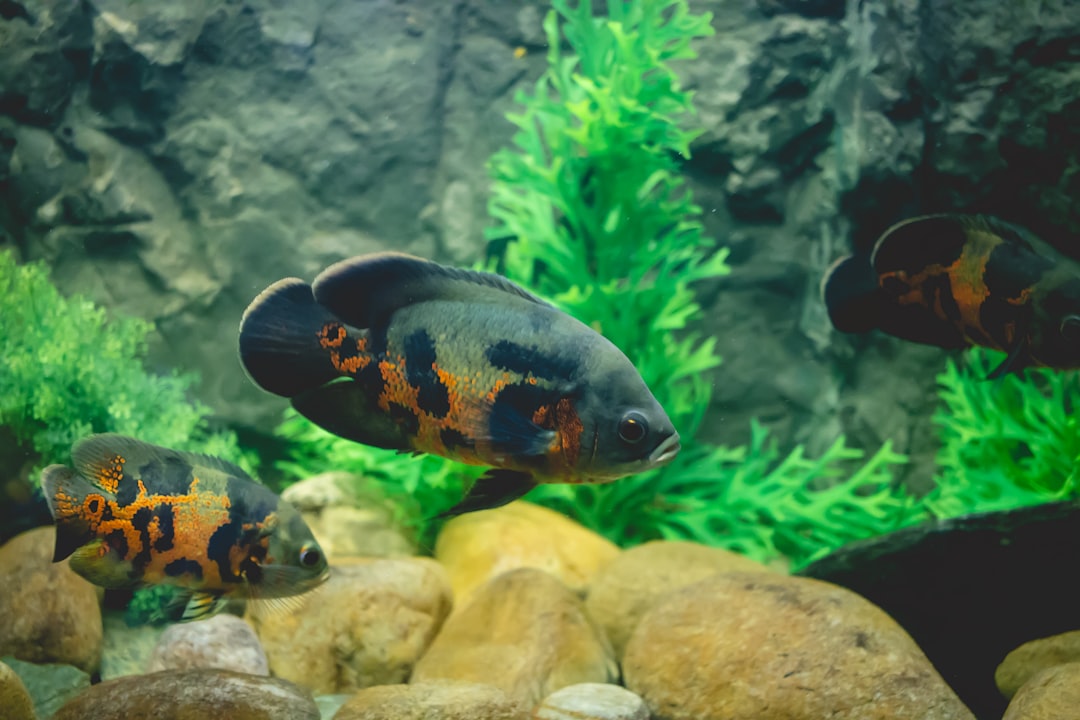
Few freshwater fish command the same devoted following as the oscar. Astronotus ocellatus is not simply a pet fish — it is a genuine companion that recognises its owner, begs for food and develops a personality rivalling that of a dog. Oscars grow large, eat messily and rearrange their tanks on a whim, yet keepers adore them for precisely those qualities. This guide sits inside our broader Tropical Fish Species Master Index reference.
This oscar fish care guide covers everything you need to know about housing, feeding and keeping these intelligent cichlids healthy in Singapore’s tropical climate. Whether you are upgrading from community fish or setting up your first monster tank, read on for practical, experience-based advice.
What Are Oscar Fish?
Oscars belong to the cichlid family and originate from the slow-moving rivers of South America, including the Amazon basin. In the wild, they inhabit warm, slightly acidic waters — conditions that Singapore’s tap water (after dechloramination) approximates reasonably well.
What sets oscars apart from other large cichlids is their intelligence. They learn to recognise their keepers within days, swim to the front of the tank when you approach, and can even be trained to accept food from your hand. This interactive behaviour is why hobbyists often describe them as “water dogs.”
With a potential lifespan of 15 years or more and an adult size exceeding 30 cm, oscars are a serious long-term commitment. Impulse purchases of cute 5 cm juveniles from local fish shops frequently end in regret once the fish triples in size within six months.
Tank Size and Setup
The single most common mistake with oscars is underestimating tank size. A single adult oscar requires a minimum of 300 litres (roughly a 4-foot tank). For a pair, aim for 450 litres or above. Anything smaller leads to stunted growth, stress and aggression.
Filtration: Oversize Everything
Oscars are extraordinarily messy eaters. They grab food, shake it apart and scatter debris across the tank. Pair this with a heavy bioload and you need filtration rated for at least twice your tank volume per hour. Canister filters or sump systems work best. Hang-on-back filters simply cannot cope.
Substrate and Decor
Oscars rearrange everything. Gravel gets scooped and spat, driftwood gets shoved, and plants get uprooted. Most experienced keepers settle on either bare bottom or large, heavy river rocks that resist being moved. Live plants are generally a lost cause unless you use hardy species like Anubias attached to heavy stones.
| Parameter | Recommendation |
|---|---|
| Minimum tank size (1 oscar) | 300 litres / 4-foot tank |
| Minimum tank size (pair) | 450+ litres / 5-foot tank |
| Filtration turnover | 8–10x tank volume per hour |
| Substrate | Bare bottom or large rocks |
| Heater | Usually unnecessary in SG |
| Lid | Essential — oscars jump when startled |
Water Parameters for Singapore
Singapore’s ambient temperature of 28–32°C sits comfortably within the oscar’s preferred range of 24–30°C. In most homes, you will not need a heater at all. During cooler spells (rare, but they happen), a heater set to 26°C provides a safety net.
PUB tap water contains chloramine, not just chlorine. Chloramine does not gas off by standing — you must use a water conditioner that specifically neutralises chloramine with every water change. Products like Seachem Prime handle this effectively.
| Parameter | Ideal Range |
|---|---|
| Temperature | 24–30°C |
| pH | 6.5–7.5 |
| Ammonia / Nitrite | 0 ppm |
| Nitrate | Below 40 ppm |
| GH | 5–15 dGH |
Weekly water changes of 30–40% are non-negotiable with oscars. Their heavy bioload means nitrate climbs fast. Neglect water changes and you will see hole-in-the-head disease before long.
Feeding Oscar Fish
Oscars are omnivorous and enthusiastic eaters. A varied diet keeps them healthy and brings out their best colouration.
Recommended Foods
- High-quality cichlid pellets — the dietary staple (Hikari Cichlid Gold, NorthFin Cichlid are popular choices)
- Earthworms — an excellent protein source; chop for juveniles
- Crickets and mealworms — a favourite treat that encourages natural hunting behaviour
- Frozen prawns — shell-on for adults provides roughage
- Blanched vegetables — peas and spinach for fibre
Foods to Avoid
- Feeder fish — high risk of introducing parasites and disease
- Mammalian meat — beef heart and similar are too fatty for regular feeding
- Bread or rice — no nutritional value, causes bloat
Feed juveniles twice daily and adults once a day. Oscars will always act hungry — do not overfeed. Give only what they can consume in two to three minutes.
Popular Oscar Varieties
All oscar varieties belong to the same species (Astronotus ocellatus) and require identical care. The differences are purely cosmetic.
- Tiger Oscar — the classic wild-type pattern with dark base and orange/red markings
- Red Oscar — selectively bred for predominantly red colouration with minimal dark patterning
- Albino Oscar — white body with orange or red markings, pink eyes
- Long-fin Oscar — flowing, elongated finnage on any colour morph
- Lemon Oscar — yellow-gold colouration, less common in Singapore shops
Tiger and red oscars are the easiest to find at local fish shops in Singapore. Long-fin varieties command a small premium but are readily available.
Tank Mates for Oscar Fish
Oscars are territorial and will eat any fish that fits in their surprisingly large mouths. Successful tank mates must be large enough not to become food and robust enough to hold their own.
Potentially Compatible Species
- Silver dollars (Metynnis spp.) — fast, peaceful, and too deep-bodied to eat
- Bichirs (Senegal bichir, ornate bichir) — bottom-dwelling, armoured
- Plecos (common or sailfin, 20 cm+) — armoured catfish
- Jack Dempseys — similarly sized cichlid
- Severums — peaceful large cichlid
Species to Avoid
- Any fish under 10 cm (will be eaten)
- Aggressive cichlids like flowerhorns (too combative)
- Slow, long-finned fish like angelfish (easy target)
A single oscar kept alone often displays the best personality and is the simplest setup to manage. If you want tank mates, introduce all fish simultaneously into a large tank (450 litres minimum) to reduce territorial disputes.
Common Health Issues
Hole-in-the-Head Disease (HITH)
The most common oscar ailment. Small pits appear on the head and lateral line, caused by a combination of poor water quality, nutritional deficiency and the Hexamita parasite. Prevention is straightforward: maintain pristine water and feed a varied diet. Treatment involves improving water quality, adding vitamins and, in severe cases, metronidazole.
Ich (White Spot Disease)
White spots on the body and fins, often triggered by temperature fluctuations. Raise the temperature to 30°C (easy in Singapore) and treat with a commercial ich remedy.
Fin Rot
Ragged, deteriorating fins caused by bacterial infection, usually secondary to poor water quality. Frequent water changes and, if necessary, antibacterial treatment resolve most cases.
Frequently Asked Questions
How fast do oscar fish grow?
Oscars grow rapidly — expect roughly 2.5 cm per month during the first year. A 5 cm juvenile can reach 20 cm within eight to ten months if well fed and housed in an appropriately large tank. Growth slows after the first year but continues until the fish reaches its full size of 30–35 cm.
Can I keep an oscar in a 2-foot tank?
No. A 2-foot tank is far too small for even a juvenile oscar. Cramped conditions stunt growth, weaken the immune system and cause chronic stress. If you cannot accommodate a 4-foot or larger tank, consider a different species. Our team at Gensou can help you design a custom tank that fits your space while meeting the oscar’s needs.
Do oscars need a heater in Singapore?
In most Singaporean homes — whether HDB flats or condominiums — ambient room temperature stays between 28–32°C, which is perfectly warm for oscars. A heater is only needed if you keep the tank in a heavily air-conditioned room that regularly drops below 24°C.
Can I keep two oscars together?
Yes, but only in a sufficiently large tank (450 litres or more). Two oscars in a cramped tank will fight relentlessly. Even in a large tank, expect some territorial disputes — provide line-of-sight breaks with large rocks or driftwood. A bonded pair bred from a group of juveniles offers the best chance of peaceful cohabitation.
If you are looking for more unusual community fish options, our rope fish care guide covers another fascinating oddball species that sometimes works alongside large cichlids.
Ready to Set Up Your Oscar Tank?
Oscars are rewarding pets that thrive in Singapore’s warm climate, but they demand proper tank size, powerful filtration and committed maintenance. If you are planning a large cichlid setup or need help choosing the right equipment, visit Gensou at 5 Everton Park or get in touch. With over 20 years of aquascaping and fishkeeping expertise, we will help you create the perfect home for your oscar.
Related Reading



