
Otocinclus Affinis Care Guide: The Common Oto Deep Dive
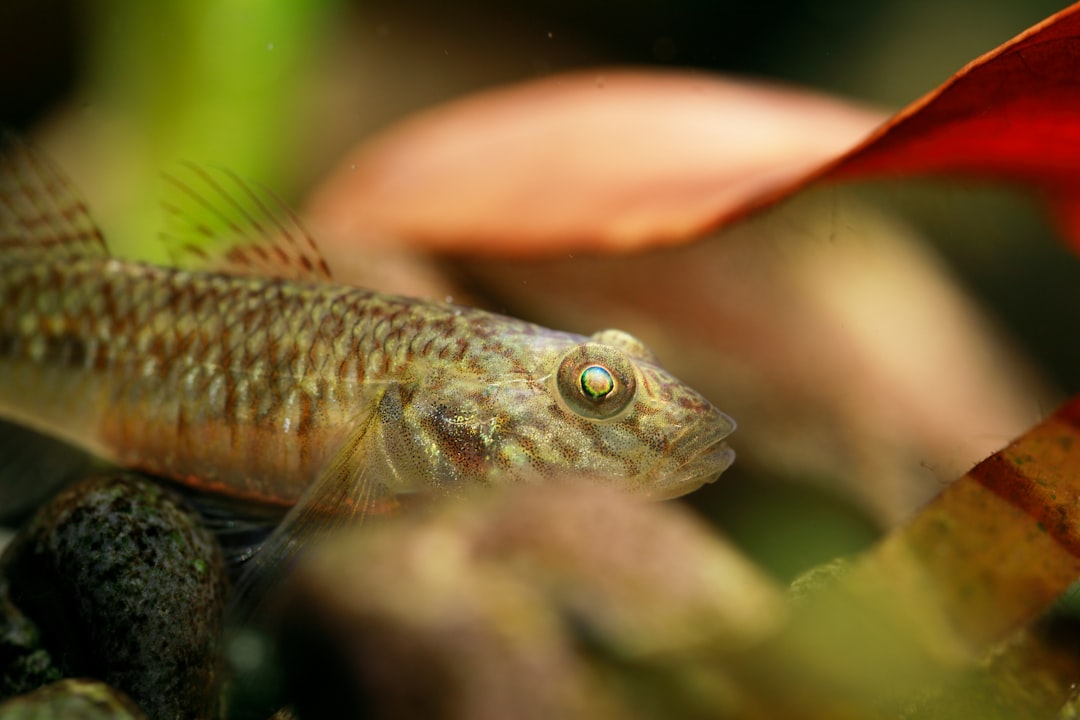
Tiny, tireless, and almost universally peaceful, Otocinclus affinis is the planted tank keeper’s favourite algae crew. Yet these small catfish have a troubling reputation for dying within weeks of purchase. This otocinclus affinis care guide from Gensou Aquascaping at 5 Everton Park, Singapore, tackles the real reasons otos fail and how to keep them thriving long-term. With proper acclimatisation and feeding, these 3-4 cm workhorses can live four to five years.
Why Otos Are Tricky at First
Most otocinclus sold in Singapore are wild-caught from South American streams and endure a stressful supply chain. By the time they reach your local fish shop, many are already starving and weakened. Choosing healthy specimens is the single most important step. Look for otos with rounded bellies, not sunken or concave. Active fish that cling firmly to glass and dart between surfaces are better candidates than lethargic individuals sitting on the substrate.
Acclimatisation Protocol
Drip acclimatise otos over 60-90 minutes, as they are sensitive to parameter swings. Match temperature within 1 degree C and keep lighting dim for the first 24 hours. Do not add them to a brand-new tank. Otos need an established aquarium with at least six weeks of biofilm and soft algae growth on surfaces. A mature planted tank with diatom-coated leaves is ideal. Introducing otos to a spotless, newly set-up aquarium is a common cause of starvation death.
Tank Setup
Keep otos in groups of six or more; they are social and visibly less stressed in larger shoals. A 60-litre planted tank is sufficient for six to eight otos. Dense planting with broad-leaved species like Anubias, Echinodorus, and Cryptocoryne provides the grazing surfaces they need. Gentle water flow from a sponge filter or a low-output hang-on-back suits their preference for calm water. Singapore’s ambient temperature of 28-30 degrees C falls within their comfort range of 22-28 degrees C, though the upper end means a clip-on fan can help during heatwaves.
Feeding Strategy
Biofilm and soft green algae are the natural diet, but most home aquariums cannot produce enough to sustain a group indefinitely. Supplement with blanched courgette, cucumber, and spinach leaves. High-quality algae wafers work too, though otos sometimes ignore them initially. A lesser-known trick is to grow algae on smooth river stones in a separate container under sunlight and rotate them into the oto tank every few days. This ensures a constant fresh algae supply, especially valuable in Singapore’s sunny climate.
Water Parameters
Otos prefer soft, slightly acidic to neutral water: pH 6.0-7.5, GH 2-10, and temperature 22-28 degrees C. Singapore tap water is near-perfect for otos once dechlorinated, with its low hardness and mild acidity. Keep ammonia and nitrite at absolute zero, as otos are among the first fish to show distress from any detectable toxins. Nitrate should stay below 20 ppm through regular 25-30 percent weekly water changes.
Tank Mates
Otos are compatible with virtually any peaceful community fish. They pair beautifully with small rasboras, tetras, corydoras, and dwarf shrimp. Avoid housing them with large or aggressive species that might bully or eat them. Even mildly territorial fish like male bettas can stress otos into hiding, reducing their grazing activity. A species-only tank or a gentle nano community is where otos truly shine.
Breeding
Captive breeding of otocinclus is uncommon but documented. Females become noticeably wider when full of eggs. Spawning often follows a large cool water change that simulates a rain event. Eggs are deposited on plant leaves and glass in small clusters of two to five. Fry are extremely small and need infusoria and biofilm to survive. Successful breeding requires a mature, well-established tank with abundant microfauna.
Keeping Otos Alive and Happy
The key takeaway from this otocinclus affinis care guide is simple: buy healthy stock, add them to a mature tank, and ensure they always have something to eat. Get these three factors right and otos become some of the most endearing, low-maintenance fish in the hobby. For help establishing a planted tank ready for an oto crew, visit Gensou Aquascaping at 5 Everton Park.
Related Reading



