At a glance
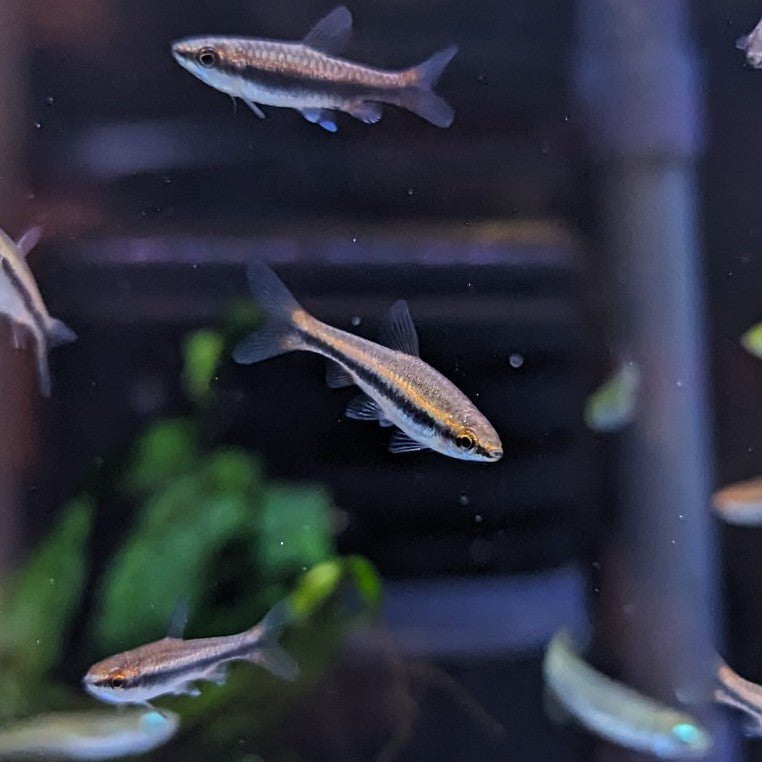
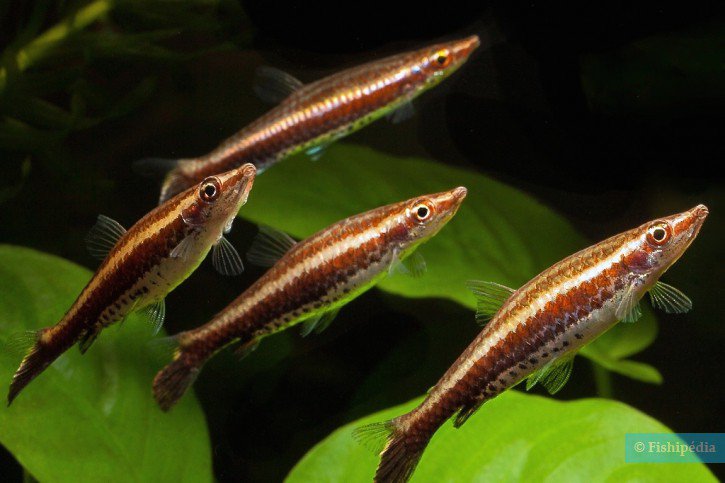
Species profile Nannostomus eques
Origin
Amazon and Orinoco basins, South America
Family
Lebiasinidae (pencilfish family)
Adult size
Up to 5 cm (2 in)
Diet
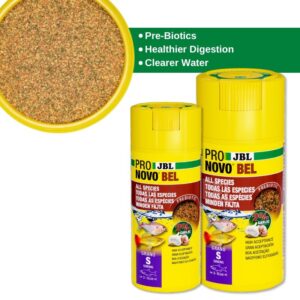
Small dry foods, micro-pellets and tiny live/frozen foods such as daphnia and baby brine (Omnivore)
Temperament
Peaceful
Swimming level
Top to middle
Minimum group
8+ (shoaling)
Lifespan
3-5 years
Minimum tank
45 L (12 gal)
Water type
Freshwater
Size to scale
5 cm adult length, shown to scale against an iPhone 15 Pro (14.66 cm).
Natural range
Where it comes from — South America
Amazon and Orinoco basins, South America
Water
Singapore tap water vs its needs
Hardness: Very soft to soft (1-8 dGH).
In the aquarium
How it lives in the tank
Swims in the top & middle of the tank
Keep in a group of 8+
Sensitivity Index — Hardy
Hardy and beginner-friendly; keep up routine water changes and it will thrive.
Our own read on how forgiving this species is of water changes — not a formal standard.
Keeping & care
What this fish needs
Family
About the Lebiasinidae family pencilfish family
Lebiasinidae are small, slender, torpedo-shaped characiform fishes native to freshwaters of Central and South America, popularly known as pencilfishes and splash tetras. In home aquaria the family is dominated by the pencilfishes of the genus Nannostomus (such as the dwarf, coral-red, and three-lined pencilfish) plus the splash tetras (Copella and Copeina). They are peaceful, mostly small (typically 2.5–6 cm), and appreciate soft, slightly acidic, well-planted blackwater-style tanks; several pencilfish shift to a distinct barred "night" coloration after lights-out.
Keep pencilfishes in a group of six or more in a mature, well-planted tank with soft, gently acidic water and calm tankmates, offering small foods such as micro-pellets, crushed flake, and live or frozen daphnia and baby brine shrimp; their small mouths and peaceful nature suit a nano or planted community with no boisterous or fin-nipping companions.
Breeding
Egg-scatterer (most pencilfishes); some Copella spawn on a leaf or emergent surfaceMost Nannostomus pencilfishes are egg-scattering, non-guarding spawners: conditioned pairs release small adhesive eggs among fine-leaved plants or spawning mops, and because the parents readily eat the eggs they are best removed after spawning; the fry are tiny and need infusoria-grade first foods before progressing to microworms and baby brine shrimp. Splash tetras (Copella) are notable exceptions — the well-known Copella arnoldi lays eggs on a leaf or surface just above the waterline and the male keeps them moist by splashing water until they hatch. Breeding is achievable in soft, acidic water but success improves with dim light, low fish density, and dedicated grow-out for the delicate fry.
Feeding
Recommended food
Compatibility
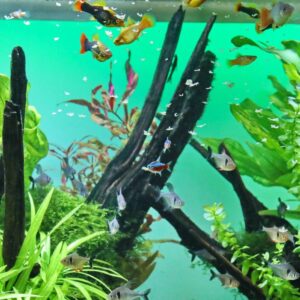
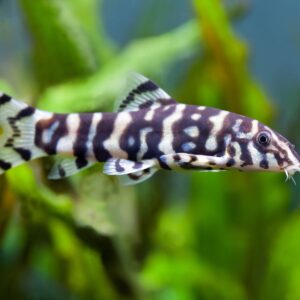
Best tankmates

Community