
Phoenix Rasbora Care Guide: Fiery Colour for Nano Tanks
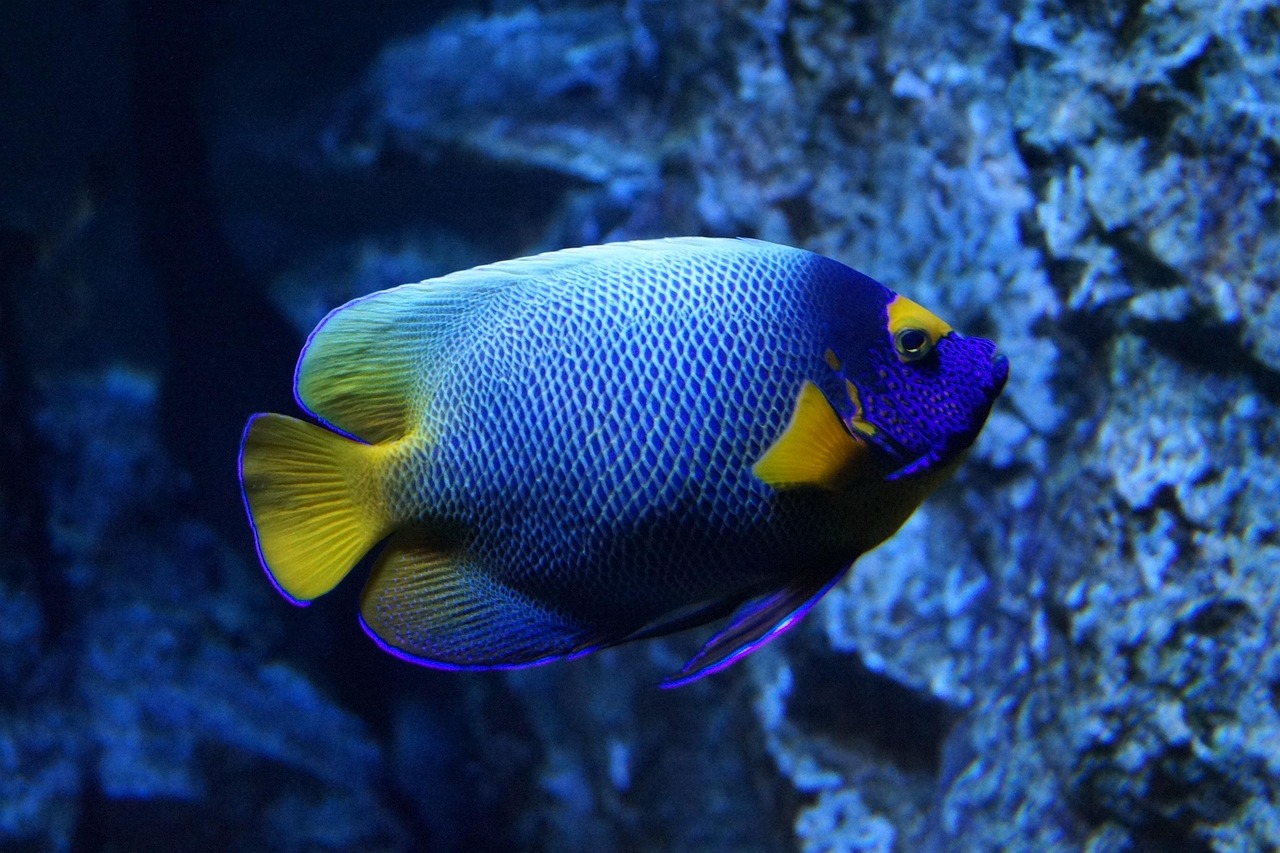
The phoenix rasbora (Boraras merah) is a tiny jewel of a fish that packs an extraordinary amount of colour into its diminutive 2 cm frame. With a fiery orange-red body marked by a distinctive dark blotch and iridescent highlights, these micro fish are perfect for planted nano tanks. This phoenix rasbora care guide covers everything you need to know about keeping these stunning Southeast Asian natives in Singapore aquariums. This guide sits inside our broader Tropical Fish Species Master Index reference.
About Phoenix Rasboras
The phoenix rasbora belongs to the genus Boraras, a group of miniature cyprinids native to Southeast Asia. Boraras merah was described in 1991 and originates from southern Borneo (Kalimantan), where it inhabits blackwater peat swamp forests. The species name “merah” means “red” in Malay, a fitting description of this vivid little fish.
All Boraras species are among the smallest fish in the aquarium hobby, and the phoenix rasbora is no exception. Reaching a maximum of about 2 cm, these fish are exclusively suited to nano and small aquarium setups where their tiny size can be appreciated rather than lost.
As a Southeast Asian native, the phoenix rasbora is naturally adapted to conditions similar to what we find in Singapore, making it an excellent local choice. The warm, soft, acidic water they prefer aligns closely with our tap water parameters.
Appearance
Phoenix rasboras are among the most intensely coloured nano fish available:
- Body colour ranges from vivid orange to deep red, intensifying with maturity and good conditions
- A prominent dark blotch sits on the flanks, typically oval or triangular in shape
- Subtle iridescent green or blue highlights may appear along the body in certain lighting
- Fins are mostly transparent with faint red or orange tinting
- Maximum size approximately 2 cm
Males are typically more intensely coloured than females, especially when displaying or competing. Females tend to be slightly rounder in the body when carrying eggs. The colour difference can be subtle, and both sexes are attractive.
Colour intensity varies considerably depending on conditions. Fish kept in well-planted tanks with dark substrates, tannin-stained water and a high-quality diet display far richer colour than those in bare, brightly lit setups.
Tank Requirements
Phoenix rasboras are ideal nano tank inhabitants:
| Requirement | Recommendation |
|---|---|
| Minimum tank size | 20 litres |
| Ideal tank size | 30-45 litres |
| School size | 10 minimum (15-20 ideal) |
| Filtration | Gentle (sponge filter ideal) |
| Flow | Very low; these are still-water fish |
| Lighting | Low to moderate |
| Substrate | Dark aquasoil or fine dark sand |
Despite their small size, phoenix rasboras should be kept in groups of at least ten. In smaller groups, they are nervous and spend most of their time hiding. A group of fifteen to twenty in a 30-45 litre planted nano tank is where this species truly comes alive, moving through the plants in a loose, shimmering school.
Filtration should be gentle. A sponge filter is ideal, providing biological filtration and gentle water movement without creating currents that overwhelm these tiny fish. If using a hang-on-back or canister filter, baffle the output to reduce flow, and cover intakes with a sponge pre-filter to prevent the fish from being sucked against the intake.
Water Parameters
| Parameter | Ideal Range | SG Tap Water |
|---|---|---|
| Temperature | 24-28 C | 28-32 C (ambient) |
| pH | 4.5-6.5 | 6.5-7.5 |
| GH | 1-6 dGH | 1-4 dGH |
| KH | 0-4 dKH | 1-3 dKH |
Phoenix rasboras naturally inhabit very soft, acidic blackwater environments. Singapore’s soft tap water is a good starting point, though the pH may be slightly higher than ideal. Adding Indian almond leaves (ketapang), driftwood or alder cones can naturally lower the pH and release beneficial tannins that replicate their wild habitat. These botanicals also tint the water amber, which enhances the red colouration of the fish beautifully.
Temperature-wise, Singapore’s ambient 28-30 C is at the upper limit but is tolerated, particularly if the tank is well-planted and adequately oxygenated. Many hobbyists in Singapore successfully keep Boraras species without chillers.
Treat all tap water with a chloramine-neutralising conditioner before adding it to the tank. PUB uses chloramine, and this is particularly important in nano tanks where even small amounts of chloramine can cause problems due to the limited water volume.
Feeding
Feeding phoenix rasboras requires attention to food size. Their mouths are extremely small, and standard flake food or pellets are simply too large:
- Staple: crushed micro pellets or finely ground flake food
- Frozen foods: baby brine shrimp, cyclops, daphnia (small species), micro bloodworms
- Live foods: baby brine shrimp, vinegar eels, micro worms, infusoria
- Supplementary: finely crushed spirulina flake
Feed two to three times daily in very small amounts. Live baby brine shrimp are arguably the best food for Boraras species, promoting excellent colour and conditioning. If live food is not available, high-quality frozen baby brine shrimp is the next best option.
In a mature, well-planted tank, phoenix rasboras also graze on microorganisms and biofilm that develop on plant surfaces and hardscape. This natural foraging supplements their diet and is one reason why heavily planted tanks produce the best-coloured fish.
Tank Mates
Due to their tiny size, phoenix rasboras must only be kept with other very small, peaceful species:
- Other Boraras species (chili rasboras, exclamation point rasboras)
- Small shrimp (cherry shrimp, crystal shrimp)
- Pygmy corydoras (Corydoras pygmaeus, C. hastatus)
- Small snails (nerite snails, ramshorn snails)
- Ember tetras (one of the few tetras small enough)
- Otocinclus catfish
Avoid any fish large enough to eat them, which includes most standard community fish. Even normally peaceful species like honey gouramis or harlequin rasboras can be too large and intimidating for phoenix rasboras. A species-only tank or a carefully curated nano community is the best approach.
Phoenix Rasbora vs Chili Rasbora
The two most popular Boraras species in the hobby are the phoenix rasbora and the chili rasbora (Boraras brigittae). Here is how they compare:
| Feature | Phoenix Rasbora | Chili Rasbora |
|---|---|---|
| Scientific name | Boraras merah | Boraras brigittae |
| Size | Up to 2 cm | Up to 2 cm |
| Colour | Orange-red with dark blotch | Deep red with dark lateral stripe |
| Pattern | Blotch/spot on flanks | Continuous dark stripe along body |
| Colour intensity | Very vivid | Very vivid (often considered the reddest) |
| Availability in SG | Moderate | Good |
| Hardiness | Good | Good |
| Care difficulty | Easy-moderate | Easy-moderate |
Both species are excellent choices. The chili rasbora is generally considered to have a deeper, more uniform red colour, while the phoenix rasbora offers a different aesthetic with its orange-red body and contrasting dark blotch. Many nano enthusiasts keep both species together for variety, as they have identical care requirements.
Planted Tank Pairing
Phoenix rasboras are a natural fit for planted nano tanks. Their tiny size and vivid colour create a stunning contrast against green plant growth. Particularly effective plant choices include:
- Mosses: Java moss, flame moss and Christmas moss provide shelter and foraging surfaces
- Bucephalandra: compact, slow-growing plants that suit nano dimensions
- Cryptocoryne parva: a small Cryptocoryne species perfect for nano foregrounds
- Rotala rotundifolia: red-tipped stems complement the fish’s warm tones
- Floating plants: salvinia or frogbit provides shade and a sense of security
A blackwater-style nano tank with botanicals, driftwood, moss and a school of phoenix rasboras is one of the most rewarding setups in the hobby. The tannin-stained water brings out the most intense red colouration and replicates the fish’s natural habitat.
Breeding
Phoenix rasboras scatter eggs among fine-leaved plants and moss. Breeding occurs regularly in well-maintained tanks, though raising fry requires effort:
- Eggs are scattered individually among plants, particularly mosses
- Adults do not provide parental care and will eat eggs and fry
- Fry are extremely tiny and require infusoria or paramecium as first food
- In heavily planted tanks, a few fry may survive without intervention
- For deliberate breeding, remove adults or eggs to a separate rearing tank
In a mature, densely planted species-only nano tank, you may notice the occasional tiny fry appearing without any deliberate effort. The dense plant cover and moss provide enough hiding spots for some to survive.
Frequently Asked Questions
How many phoenix rasboras should I keep?
A minimum of ten, but fifteen to twenty is ideal. Boraras species are social fish that only display confident, natural behaviour in larger groups. In small groups, they hide constantly and their colour fades. A larger group in a suitably sized nano tank is one of the most visually rewarding sights in the hobby.
Can phoenix rasboras live in Singapore’s warm water without a chiller?
Yes, though 28-30 C is at their upper tolerance limit. Good oxygenation and a well-planted tank help mitigate the warmth. Many Singapore hobbyists keep Boraras species successfully without chillers. In a nano tank, positioning the setup away from direct sunlight and in an air-conditioned room can help keep temperatures manageable.
What is the best food for phoenix rasboras?
Live or frozen baby brine shrimp is the single best food for Boraras species. It is the right size for their tiny mouths and promotes excellent colour development. Supplement with crushed micro pellets, cyclops and other micro-sized frozen foods. Standard-sized flake and pellets are too large and must be ground finely before feeding.
Can I keep phoenix rasboras with bettas?
This is risky. While some bettas coexist peacefully with nano fish, others will hunt and eat fish as small as phoenix rasboras. A 2 cm fish is well within prey size for most bettas. If you want to attempt it, use a larger, densely planted tank (40+ litres) and monitor closely, but be prepared to separate if the betta shows predatory interest.
Create Your Perfect Nano Setup
Phoenix rasboras are living proof that great things come in small packages. If you are inspired to create a stunning planted nano tank featuring these fiery little fish, contact us at Gensou or visit our studio at 5 Everton Park. We offer custom aquarium design for every size, from desktop nano tanks to full room dividers, and stock the finest aquascaping supplies in our shop.
Related Reading



