
How to Breed Chili Rasboras: Micro Spawners in Soft Water
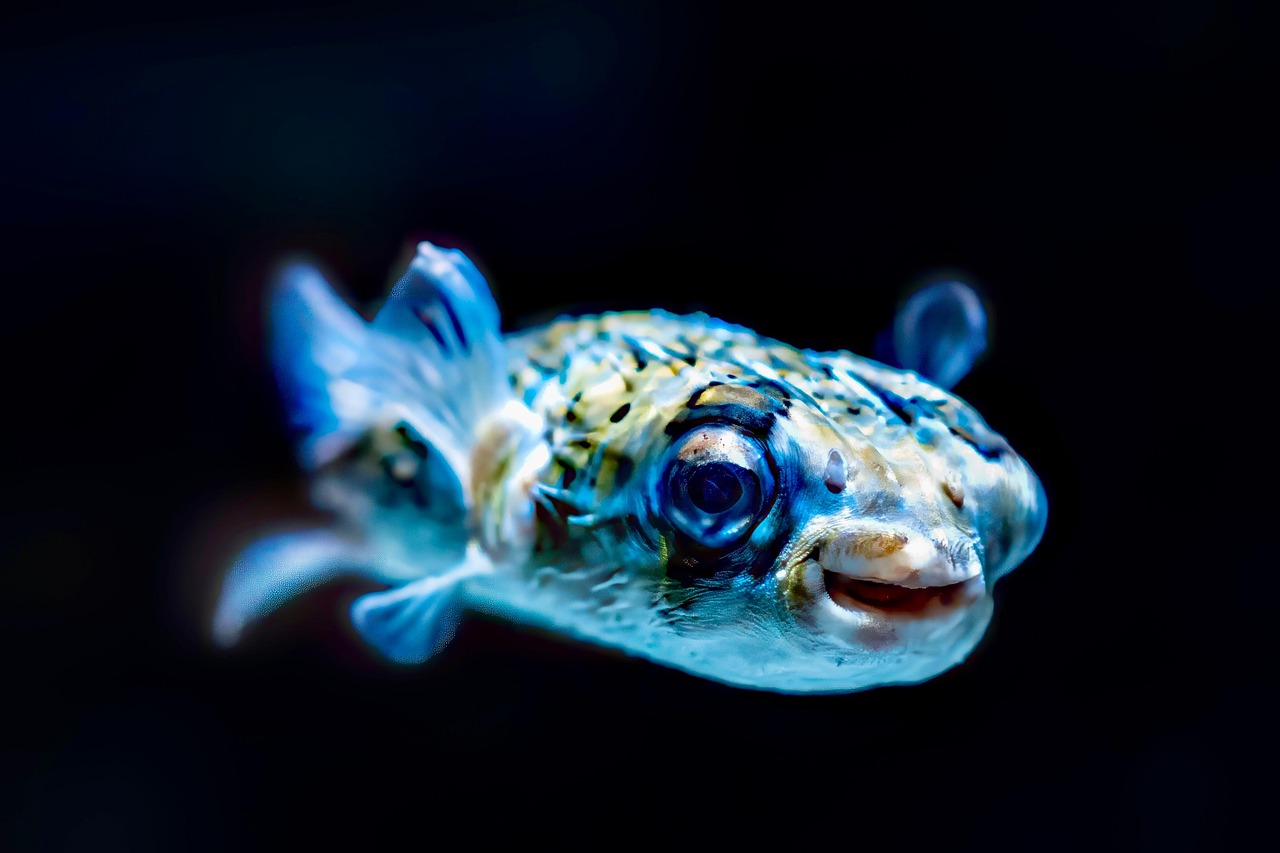
Chili rasboras (Boraras brigittae) are among the tiniest freshwater fish in the hobby, yet breeding them is entirely achievable with the right preparation. This breed chili rasbora guide from Gensou Aquascaping at 5 Everton Park, Singapore, covers conditioning, spawning triggers, and raising the minuscule fry. At barely 2 cm fully grown, these micro fish produce eggs so small they are almost invisible, making observation skills just as important as water chemistry.
Conditioning Broodstock
Start with a group of at least ten healthy adults in a well-planted species tank. Males display deeper red colouration and slimmer bodies, while females appear rounder when carrying eggs. For two weeks before attempting to breed, feed a varied diet of live micro foods: vinegar eels, Walter worms, and freshly hatched baby brine shrimp. This high-protein conditioning triggers egg development and encourages males to display more vigorously.
Setting Up the Breeding Tank
A small 20-30 litre tank works perfectly. Fill it with aged, soft water at pH 5.0-6.5 and GH below 4, which closely matches Singapore’s naturally soft tap water after dechlorination. Add a thin layer of peat or Indian almond leaf litter on the bottom, plus clumps of fine-leaved plants like Java moss or Taxiphyllum barbieri. These dense tangles give eggs somewhere to fall out of reach of hungry adults. Keep lighting dim using floating plants such as Salvinia or Riccia.
Spawning Process
Transfer three or four of the best-conditioned fish into the breeding tank in the evening. Spawning typically occurs at first light over the following one to three mornings. Chili rasboras are egg scatterers: the female releases tiny adhesive eggs among plant thickets while the male fertilises them. Each spawning event produces only 5-15 eggs, which is normal for such a small species. Remove the adults immediately after you observe spawning behaviour to prevent egg predation.
Egg Development and Hatching
Eggs are nearly transparent and roughly 0.8 mm in diameter. They hatch in 24-48 hours at 26-27 °C. The fry remain attached to plant surfaces by a yolk sac for another two to three days before becoming free-swimming. During this period, avoid any disturbance. Even a strong current from a small sponge filter can dislodge the fragile larvae. An air-powered sponge filter on its lowest setting provides gentle circulation without risk.
Feeding Fry
Newly free-swimming fry are extremely small, around 3 mm, and cannot eat baby brine shrimp nauplii initially. Start with infusoria or paramecium cultures for the first week. Green water from a sunny window works as a supplementary first food. After seven to ten days, transition to vinegar eels and microworms. By week three, the fry should accept freshly hatched brine shrimp. Feed tiny amounts three to four times daily, siphoning uneaten food carefully with airline tubing to avoid sucking up fry.
Growth and Development
Growth is slow. Expect fry to reach 8-10 mm by the two-month mark and approach adult size around four to five months. Colouration develops gradually, with the signature red stripe becoming visible at roughly six weeks. Maintain stable water parameters throughout: even small pH swings can cause losses in very young fish. Singapore’s warm ambient temperature of 28-30 °C is actually slightly high for optimal growth, so position the tank in an air-conditioned room or use a small clip-on fan to keep water at 25-27 °C.
Common Mistakes to Avoid
The most frequent error is using water that is too hard or alkaline. Chili rasboras evolved in acidic peat swamps, and eggs often fail to develop above pH 7.0. Another common issue is overfeeding the breeding tank, which fouls the tiny water volume rapidly. Finally, many hobbyists give up too soon: it can take three or four attempts before you see your first batch of free-swimming fry. Patience and consistent water quality are your greatest assets when breeding these jewel-like micro fish.
Related Reading



