
Pickerelweed Pond Care Guide: Pontederia Cordata Bloom
Pickerelweed gives ponds the long blue flower spikes that draw bees, butterflies and the occasional sunbird across the bloom season. A productive pickerelweed pond uses Pontederia cordata as both filter and pollinator magnet — its arrowhead leaves shade the water margins while the spike inflorescences carry violet-blue flowers for weeks. This guide from Gensou Aquascaping at 5 Everton Park covers planting depth, bloom triggers and the no-fuss division work that keeps pickerelweed performing in Singapore conditions.
Identifying Genuine Pontederia
True Pontederia cordata shows arrowhead-shaped (sagittate) leaves on stout stems 60-100 cm tall, topped by a 10-15 cm spike of densely packed violet-blue flowers. White-flowering and pink-flowering cultivars exist but blue is the standard form. Avoid plants sold simply as “blue spike” — these are sometimes Pickerel rush imposters with weaker bloom potential.
Marginal Planting Depth
The crown sits with 5-15 cm of water above the rhizome. Use a brick shelf to lift the basket if the pond is deeper. Unlike papyrus, pickerelweed does not tolerate full submergence — keeping the leaf bases above water is essential. The species also accepts saturated bog soil with no standing water.
Substrate and Container
Heavy clay loam in a 25-30 cm mesh basket gives the rhizome room to spread and stable nutrient release. Cap with pea gravel to deter koi from rooting. The aquatic substrate available locally is suitable; avoid bagged organic potting mix that floats out and leaches phosphate.
Sun for Reliable Blooms
Pickerelweed needs 6-8 hours of direct sun for strong spike production. Plants in 4-5 hours of light produce vegetative growth without flowers. Singapore’s overcast monsoon weeks slow the bloom cycle but rarely shut it down completely on well-positioned plants. The species runs continuous waves of blooms rather than one big seasonal flush.
Fertiliser Schedule
Push two aquatic root tabs every 6-8 weeks during active growth. Aquaforest Pond Tabs and Tropica Plant Growth Substrate Tabs both perform well. The species responds quickly to feeding with thicker stems and longer flower spikes; over-feeding triggers algae problems before plant problems, so dose conservatively.
Pruning Spent Spikes
Cut each flower spike at the stem base once the last flowers fade — usually 3-4 weeks after first opening. Sharp aquascaping tools with long blades reach the rhizome cleanly without disturbing the basket. Removing spent spikes redirects energy into new flower production rather than seed maturation.
Division Cadence
Pickerelweed rhizomes congest the basket every 12-18 months and bloom production tapers. Lift, slice rhizomes into chunks each carrying 4-6 stems, and replant in fresh substrate. Singapore’s climate allows division any month, with the slightly cooler December window offering the gentlest transplant conditions.
Koi and Goldfish Interaction
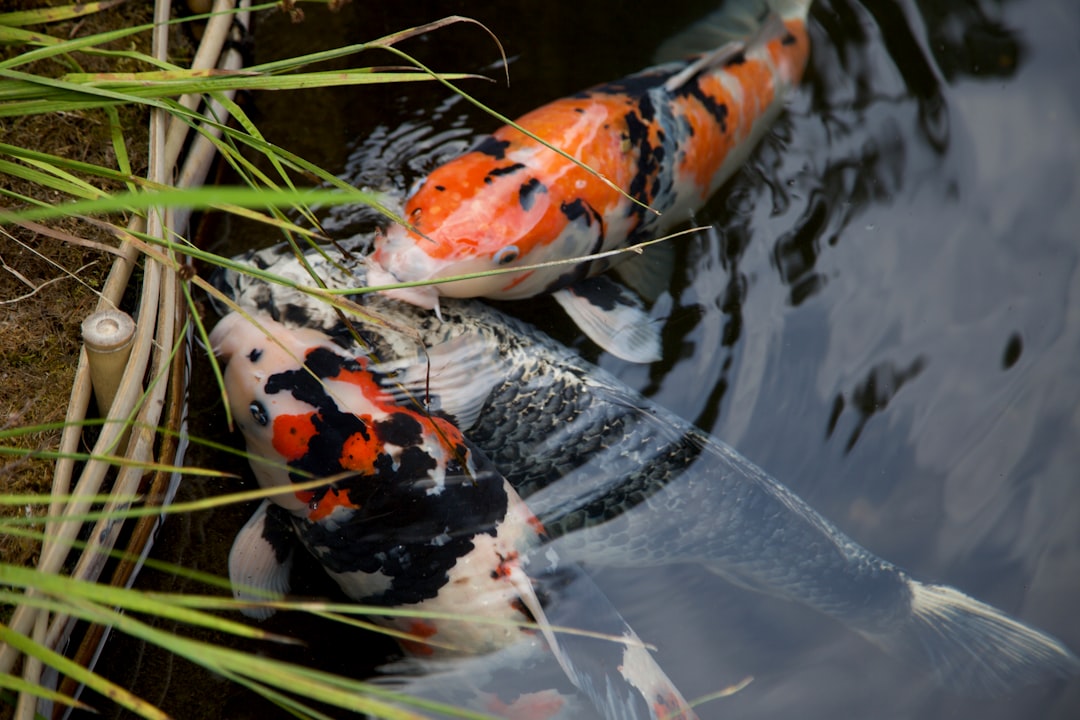
Mature pickerelweed stems are tough enough to survive koi pond stocking. Fish nibble at white root tips growing through basket mesh, so wrap with hessian for the first 3-4 weeks after planting. Goldfish are gentler and rarely cause damage. Avoid stocking very large koi over 40 cm in display ponds where pickerelweed sits within easy reach of the substrate.
Pollinator Activity
The blue spikes attract carpenter bees, honey bees, butterflies and the occasional dragonfly. In landed Singapore gardens with diverse flora, pickerelweed flowers can host 5-10 visiting pollinator species through a single morning. The species is part of why some pond keepers add a small marsh zone — wildlife visits are part of the appeal.
Sourcing in Singapore
World Farm and Far East Flora carry blue-flowering pickerelweed at SGD 18-35 per young plant. Specialist Carousell aquatic-plant sellers offload divisions at SGD 12-25. Pink and white cultivars are scarcer at SGD 25-50. Inspect plants for firm white roots and avoid stock with rotted brown rhizome cores. Buy when fans are actively growing for the best establishment outcome.
Related Reading



