
Water Iris Pond Care Singapore Guide: Louisiana and Japanese
Water iris brings the elegance of cottage gardens to the pond margin, but only the right species manage Singapore’s relentless heat. A successful water iris pond in tropical conditions means choosing Louisiana hybrids or careful Japanese Iris ensata placements rather than the bearded irises beginners often try. This guide from Gensou Aquascaping at 5 Everton Park covers cultivar selection, planting depth and the bloom cycle quirks that keep iris looking lush twelve months a year.
Iris Species That Suit the Tropics
Louisiana iris hybrids derived from Iris fulva, Iris brevicaulis and Iris hexagona handle tropical heat best — they bloom reliably without dormancy. Japanese Iris ensata works in shaded or part-shaded margins. Avoid bearded German iris and Siberian iris entirely; both need cold dormancy and rot quickly in Singapore conditions.
Planting Depth by Species
Louisiana iris sits at 5-15 cm of water above the rhizome — a typical marginal shelf. Japanese iris prefers consistently moist soil with the crown at or just above the waterline. Fluctuating water levels suit Louisiana but stress Japanese cultivars; place each species in the appropriate depth zone.
Container or Direct Margin Planting
Aquatic baskets in 25-30 cm mesh containers give the best control. Heavy clay loam holds the rhizome stable; cap with pea gravel to deter koi. The substrate range at Gensou stocks pond-grade clay suitable for marginals. Direct planting into bog-zone soil works for Japanese iris if the substrate is contained against rhizome spread.
Sun and Bloom Triggers
Louisiana iris flowers best with 5-7 hours of direct sun. Japanese iris prefers part shade with morning sun and afternoon shelter. In Singapore the bloom cycle is less seasonal than in temperate zones — expect waves every 8-12 weeks rather than a single spring flush. Spent flower stalks should be cut to redirect energy into rhizome thickening.
Fertiliser Cadence
Push two aquatic root tabs into the basket every 6-8 weeks. Aquaforest Pond Tabs and Tropica Plant Growth Substrate Tabs both work well. Iris responds quickly to feeding with vigorous fan growth and stronger blooms; stop feeding 4-6 weeks before any planned division.
Division Schedule
Iris rhizomes congest the basket every 18-24 months and bloom production drops noticeably. Lift, divide rhizomes into chunks each carrying 2-3 fans, and replant fresh. Cool months (December-February) stress transplants least, but Singapore’s stable climate allows division any month with adequate aftercare.
Pruning Spent Foliage
Yellowing fans cut cleanly at the rhizome with sharp aquascaping tools. Never trim halfway up the leaf — half-cut stalks brown back and look untidy. New fans emerge from the rhizome continuously, so a healthy clump always carries fresh green growth alongside senescing yellow leaves.
Koi and Goldfish Compatibility
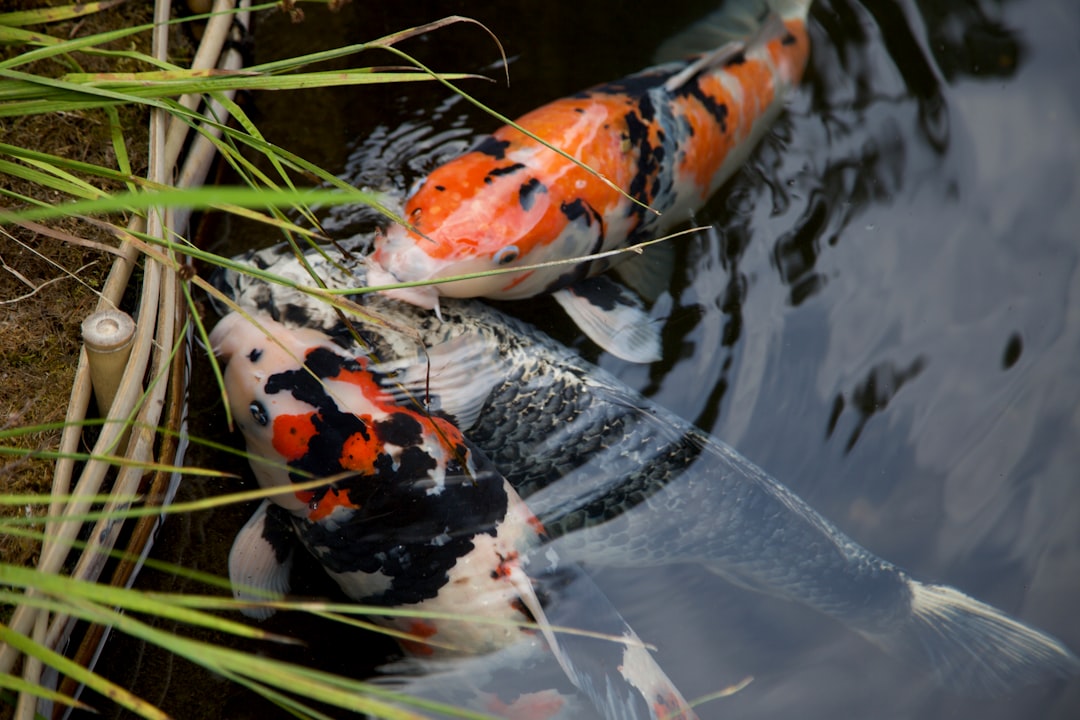
Iris foliage is too tough for koi to shred, and the rhizome sits firmly anchored. Fish may pick at white roots growing through the basket mesh — wrap with hessian for the first 2-3 weeks. Mature clumps tolerate full koi stocking densities without damage.
Common Problems
Iris borer is the major pest in temperate climates but rarely an issue in Singapore. Rhizome rot from waterlogged substrate is the leading killer locally — symptoms include translucent patches and sudden fan collapse. Lift, cut to firm tissue, dust with cinnamon, and replant in fresh clay.
Sourcing in Singapore
World Farm and Far East Flora carry Louisiana hybrids at SGD 25-50 per young plant. Japanese Iris ensata in named cultivars runs SGD 35-70. Carousell aquatic-plant sellers occasionally offload divisions at SGD 15-30 each. Buy when the plant is in active fan growth — rhizomes alone with no green growth often arrive too dry to recover quickly.
Related Reading



