
Neon Goby Care Guide: Elacatinus Oceanops Cleaner Fish for Reef Tanks
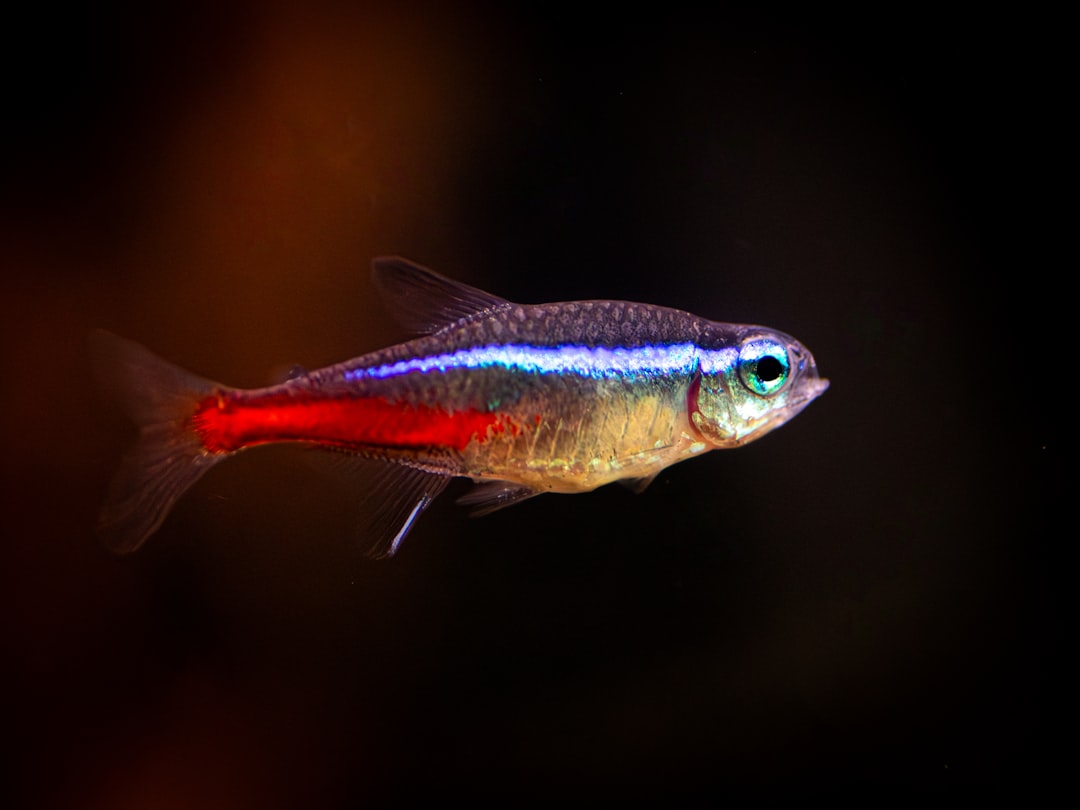
Watching a tiny neon goby set up a cleaning station on a piece of live rock, then seeing a tang twice its size line up for parasite removal, is one of the reef hobby’s most rewarding spectacles. Elacatinus oceanops delivers this behaviour reliably in home aquariums while adding an electric blue-and-black stripe to the visual palette. This neon goby care guide from Gensou Aquascaping at 5 Everton Park, Singapore explains how to keep these fascinating cleaner fish thriving in your reef.
Species Background
The neon goby is a Caribbean species found naturally on coral heads along Florida, the Bahamas and the wider Western Atlantic. Adults reach just 4-5 cm, making them among the smallest commonly kept marine fish. Two vivid iridescent blue stripes run from snout to tail against a dark body, serving as a visual advertisement to potential client fish seeking cleaning services. Unlike the cleaner wrasse (Labroides dimidiatus), neon gobies adapt well to captivity and feed readily on prepared foods.
Tank Size and Placement
Neon gobies thrive in tanks as small as 40 litres, though they truly shine in community reef systems of 100 litres or more where their cleaning behaviour can be observed with multiple fish species. Provide a prominent rock or coral head in an area of moderate flow where the goby can establish its cleaning station. They spend most of their time perched on or near this chosen site, rarely venturing far. A pair can share a nano tank comfortably, as these fish are not territorial toward conspecifics.
Water Parameters
Maintain salinity at 1.024-1.026 SG, temperature of 24-27 degrees C, pH of 8.1-8.4 and nitrate below 15 ppm. Being a Caribbean species, neon gobies prefer the lower end of the temperature range. In Singapore, this means active cooling is advisable during the hotter months from March to October. A clip-on fan can reduce surface temperature by 2-3 degrees C, while a small chiller offers more precise control for dedicated reef setups.
Feeding and Cleaning Behaviour
Neon gobies supplement their diet of ectoparasites and mucus gleaned from client fish with frozen mysis, cyclops, enriched brine shrimp and finely ground marine pellets. Feed small portions two to three times daily. Their cleaning behaviour provides genuine health benefits to tank mates by removing parasites and dead tissue. Larger fish like tangs, angels and wrasses actively seek out the goby’s cleaning station, hovering motionless with gills flared while the goby works.
Reef Compatibility
Neon gobies are completely reef-safe. They do not disturb corals, clams or invertebrates in any way. Their tiny size and peaceful nature make them compatible with virtually every reef inhabitant. The only concern is predation from aggressive tank mates. Avoid housing with large dottybacks, hawkfish or any fish capable of swallowing a 4 cm goby. Pipefish, seahorses and other gentle species make ideal companions, though the goby’s cleaning instinct means it may occasionally attempt to service reluctant tank mates.
Captive Breeding
Neon gobies are one of the most successfully captive-bred marine species. Pairs form readily and spawn every two to three weeks, depositing eggs inside a small cave or PVC tube. The male guards the clutch for seven to ten days until the larvae hatch at dusk. Raising larvae requires greenwater cultures, rotifers and eventually Artemia nauplii. Many captive-bred specimens are available through Singapore’s online aquarium marketplace on Shopee and Carousell, typically priced at $15-$25 SGD per fish.
Lifespan and Health
One drawback of neon gobies is their relatively short lifespan of two to three years, even under optimal conditions. This is a biological characteristic rather than a husbandry failing. Maximise their time by maintaining excellent water quality and a varied diet. They are susceptible to the same diseases as other marine fish, including ich and velvet, but their cleaning behaviour actually provides some natural exposure resistance. Quarantine new additions for 14 days to protect your existing reef community.
Why Every Reef Tank Benefits from a Neon Goby
Beyond their cleaning utility and striking appearance, neon gobies add a layer of natural behaviour to your reef that few other small fish can match. Observing the symbiotic relationship between cleaner and client fish provides daily fascination and educational value. Their small bioload makes them suitable for even modest systems, and captive-bred availability means you are supporting sustainable practices rather than wild collection. For Singapore reefers running community tanks, a pair of neon gobies is a practical and beautiful addition.
Related Reading
- Black Neon Tetra Care Guide: Understated Elegance
- Long-Fin Black Neon Tetra Care Guide: Flowing Dark Elegance
- Bumblebee Goby Care Guide: Tiny Brackish Predator With Big Character
- Bumblebee Goby Care Guide: The Bold Little Brackish Fish
- Cardinal Tetra vs Neon Tetra: Which Red Stripe Schooler to Choose



