
Pocillopora Damicornis Care Guide: Cauliflower Coral
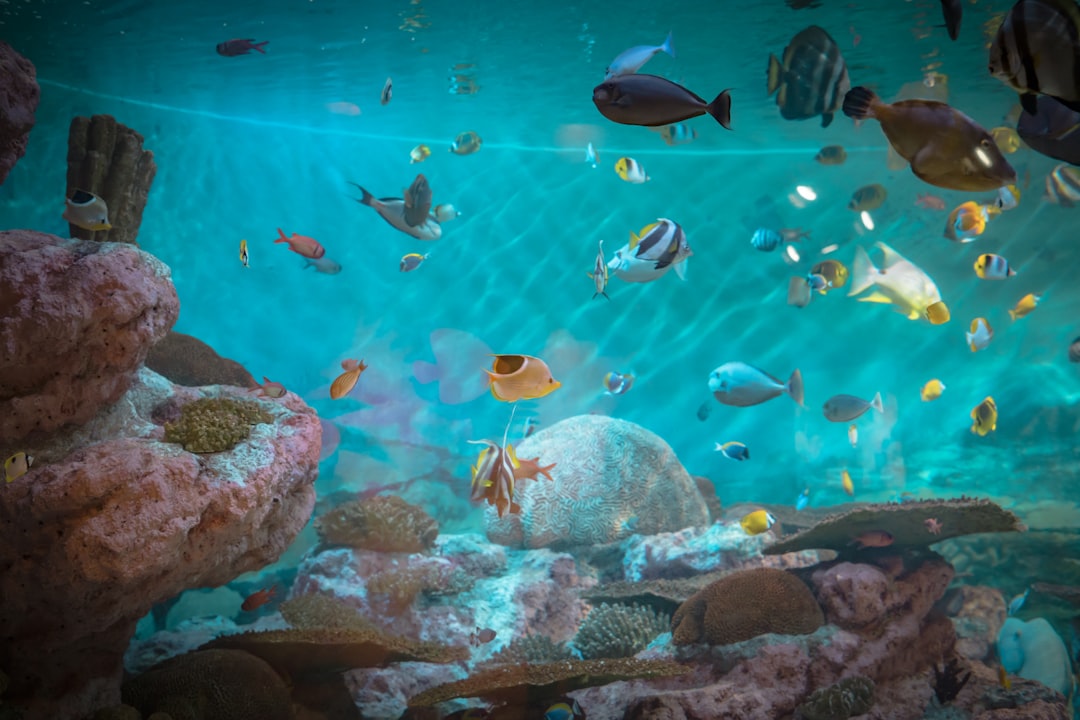
Few small-polyp stony corals settle into a mixed reef as readily as the cauliflower coral. Written for Singapore hobbyists stepping up from soft corals, this pocillopora damicornis care guide from Gensou Aquascaping at 5 Everton Park distils over 20 years of hands-on experience with SPS into a practical playbook. Pocillopora damicornis forgives small parameter swings that would bleach an Acropora, and its rapid branching growth rewards steady husbandry within months rather than years.
Quick Facts
- Scientific name: Pocillopora damicornis, family Pocilloporidae
- Care level: easy to moderate, considered a gateway SPS
- Lighting: PAR 150-250 at placement, 8-10 hour photoperiod
- Flow: strong turbulent flow, 30-50x tank turnover
- Temperature: 24-26 C, salinity 1.025-1.026, alkalinity 8-9 dKH
- Growth: 2-4 cm per month once settled
- Typical Singapore price: $35-80 for a 3-5 cm frag
Species Profile and Appearance
Cauliflower coral forms tight, verrucae-covered branches in pink, brown, green, or cream. Fluorescent pigments respond to blue-heavy spectra, which is why tank specimens often look more vivid than wild colonies on reef flats. Colonies spawn planulae readily, and Singapore fraggers sometimes find stray recruits on frag plugs shared from mother colonies months old.
The polyps are small but noticeable during the day, giving the coral a fuzzy texture. This surface area is one reason Pocillopora damicornis handles nutrient fluctuations better than smooth-branched SPS.
Tank Setup and Placement
Place frags on the mid-to-upper rockwork once they are light-acclimated. A 90-litre nano reef and up will support a single colony to fist size within a year. Avoid dead spots, and keep at least 10 cm clearance from euphyllia, mushrooms, and other stingers. In HDB tanks with limited footprint, plan for 15-20 cm of ultimate diameter when you site the frag.
Water Parameters
Stability beats chasing numbers. Aim for alkalinity 8-9 dKH, calcium 420-440 ppm, magnesium 1300-1400 ppm, and nitrate between 2-8 ppm. Phosphate at 0.03-0.08 ppm keeps colour without starving zooxanthellae. Use a two-part dosing routine once the coral starts growing visibly, as outlined in our two-part dosing guide.
Lighting Requirements
Start frags at 150 PAR on the sand bed and ramp up over three to four weeks. Most AI Hydra, Radion G6, and Noopsyche setups in Singapore HDB reefs deliver acceptable spectra out of the box; aim for a blue-dominant mix with a touch of violet to pop the pink verrucae. Run the photoperiod no longer than 10 hours.
Flow and Placement
Pocillopora want turbulent, chaotic flow that flexes the branches without stripping polyps. Two opposing gyre pumps on alternating schedules mimic reef-crest wash. If detritus settles between branches, flow is too laminar or too weak.
Feeding
The coral is largely photosynthetic but accepts reef roids, frozen cyclopeeze, and oyster feast twice a week. Target feed after dark when the polyps extend. Avoid overfeeding, which triggers aiptasia and cyano blooms in tropical Singapore rooms that already run warm.
Common Problems
Rapid tissue necrosis (RTN) is the main killer. Triggers include sudden salinity shifts from top-off failure, spiking alkalinity above 10 dKH, or temperature drift past 28 C during aircon outages. Quarantine and dip every new frag; acoel flatworms and red bugs travel easily on Pocillopora. See our coral dipping protocol for a repeatable workflow.
Tankmates and Compatibility
Pocillopora pairs well with tangs, clownfish, firefish, and reef-safe wrasses. Avoid large angelfish and rabbitfish that may nip polyps. Pocillopora crabs (Trapezia) sometimes arrive as hitchhikers and are beneficial commensals that fend off pests.
Propagation
Cauliflower coral is among the easiest SPS to frag. Snap a branch with bone cutters, glue to a ceramic disc, and return to medium flow. Heal time is a week or two. Singapore swap meets on Carousell regularly feature $15-20 Pocillopora frags sold by local fraggers, which is an affordable way to start.
Singapore Buying Tips
C328 Clementi and Serangoon North shops stock wild and maricultured colonies. Maricultured pieces from Bali acclimate faster because they are already tank-raised. Ask the shop for their holding-tank parameters and try to match on day one to avoid shock.
Related Reading
Continue your SPS learning with these guides from Gensou Aquascaping Singapore:



