
Pond Ammonia Spike Fix Guide: Bioload and Bacterial Restart
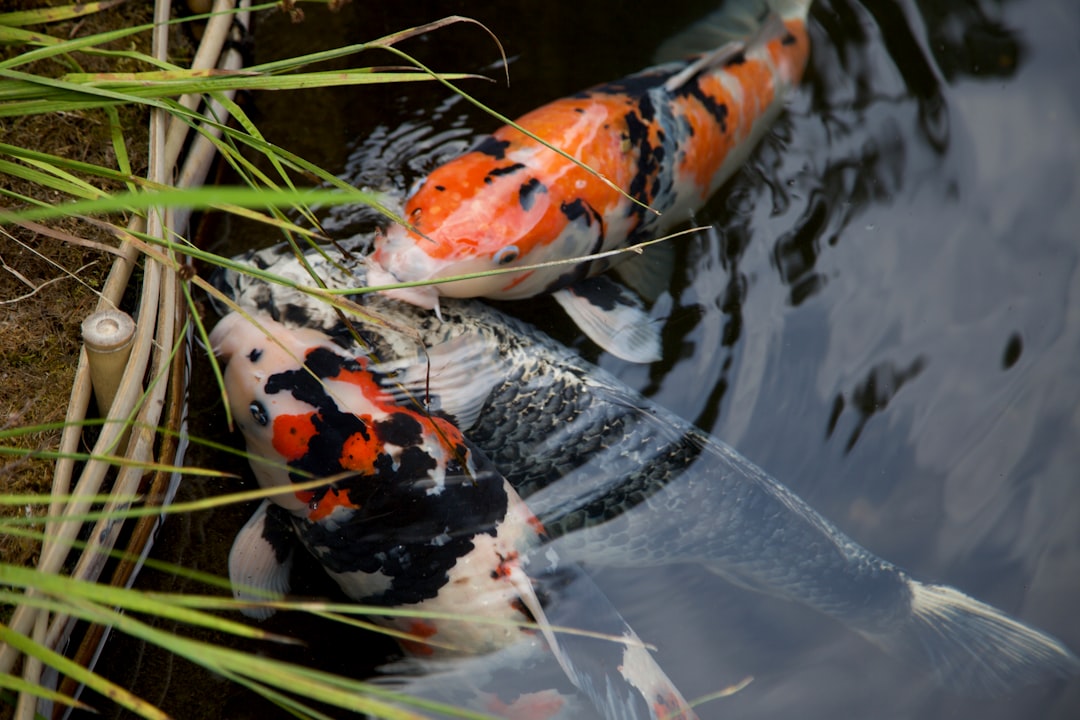
An ammonia reading above 0.25 ppm is a five-alarm event in a stocked pond — koi gill function fails fast at tropical temperatures because protonated ammonia (NH3) climbs with both pH and heat. A pond ammonia spike needs same-day intervention, not a wait-and-see approach. This guide from Gensou Aquascaping at 5 Everton Park walks through the emergency protocol, root-cause diagnosis, and the bacterial restart sequence we use on customer ponds across Singapore landed properties.
Confirm the Reading First
Before you panic, retest. Liquid drop tests give better resolution than dipsticks for ammonia. Use a fresh API or JBL kit, run the test in good light, and compare against the chart at eye level. False positives happen when the test water sits in a coiled garden hose; draw your sample directly from the pond mid-column with a clean cup. If the second test confirms above 0.25 ppm, move to emergency dosing.
Emergency Prime Dose
Seachem Prime detoxifies ammonia for roughly 48 hours by binding it into a less harmful form. Standard emergency dose is 5 mL per 200L of pond water — equivalent to 25 mL per 1000L. Spread the dose across the pond surface near a return jet for fast distribution. The same dose can be repeated every 48 hours for up to a week while you fix the underlying cause. Stock Prime in 500 mL or 2L sizes from the water care treatment range.
Pause Feeding Immediately
Every pellet adds nitrogen waste. A complete feeding pause for 3-5 days drops the ammonia load sharply and lets the bacterial colony catch up. Koi can fast for two weeks at tropical temperatures without meaningful weight loss; the immediate priority is water quality, not feeding routine. Resume at 25 per cent of normal volume only after ammonia returns to zero.
Aerate Aggressively
Ammonia toxicity climbs with low oxygen because gills already under chemical stress need maximum O2 to compensate. Add a backup air pump and stones for the duration of the spike. Surface agitation matters as much as deep aeration — turn waterfalls and fountain returns to maximum, and add a portable air pump if needed. The pond equipment category stocks battery and mains-powered emergency aerators.
Diagnose the Bioload Problem
Ammonia spikes have one of four causes: overstocking (too many fish), overfeeding, filter failure, or a recent dechlorination miss. Walk through each. Did you add fish in the last fortnight? Did the filter pump trip and stop circulating overnight? Did you skip Prime on a top-up? Without identifying the cause, a Prime-and-pray approach buys 48 hours but the spike returns.
Bacterial Restart Protocol
If the bio-filter has crashed, dose bottled nitrifying bacteria daily for 7-10 days. Aquaforest Pond, Tetra Pond Bactozym and Microbe-Lift PL all work in tropical conditions. Dose at the manufacturer rate plus 50 per cent for the first three days to colonise media quickly. Do not run UV during the restart — UV kills free-floating bacteria before they settle on media. Switch UV back on after seven days.
Partial Water Change
A 25 per cent water change cuts ammonia concentration by 25 per cent immediately, faster than any chemical. Match temperature within 2°C and dose Prime for the new water. Avoid larger changes during a spike — sudden 50 per cent changes shock fish that are already gill-compromised. Repeat 25 per cent changes every 48 hours until ammonia stabilises at zero.
Check pH Compatibility
Ammonia toxicity scales with pH. At pH 7.0 most ammonia exists as ammonium (NH4+, low toxicity); at pH 8.4 a substantial fraction shifts to NH3 (highly toxic). Concrete ponds running pH 8.0-8.4 face higher real toxicity at the same total reading. Do not deliberately lower pH during a spike — instability adds stress — but understand why aggressive intervention matters more in a high-pH pond.
Watch for Nitrite Follow-Up
Ammonia spikes are usually followed by nitrite spikes 4-10 days later as the first stage of nitrification recovers before the second. Continue daily testing through the bacterial restart and dose Prime if nitrite climbs above 0.25 ppm. Adding 0.1 per cent salt (1 kg per 1000L) reduces nitrite uptake at the gill — useful prophylaxis through the recovery window.
Long-Term Prevention
Three habits prevent recurrence. First, do not stock to capacity — keep 50 per cent biological headroom for filter hiccups. Second, run the filter on a mains line independent of garden lighting circuits to avoid accidental shutdowns. Third, build a duplicate feeding-and-dechlor checklist for whoever covers your pond when you travel. Most spikes traced back through customer logs come from holiday-cover errors.
When to Call a Specialist
If ammonia stays above 1 ppm despite full protocol, or fish develop visible ulcers, septicaemia patches or bottom-sit behaviour, escalate. A koi vet visit (SGD 250-400 in Singapore) plus injectable antibiotics may be needed for secondary infections that take hold during the spike. Document water tests across the event for the vet to review.
Related Reading



