
Pond Spring Shutdown and Restart Singapore Guide: Tropical Cycle
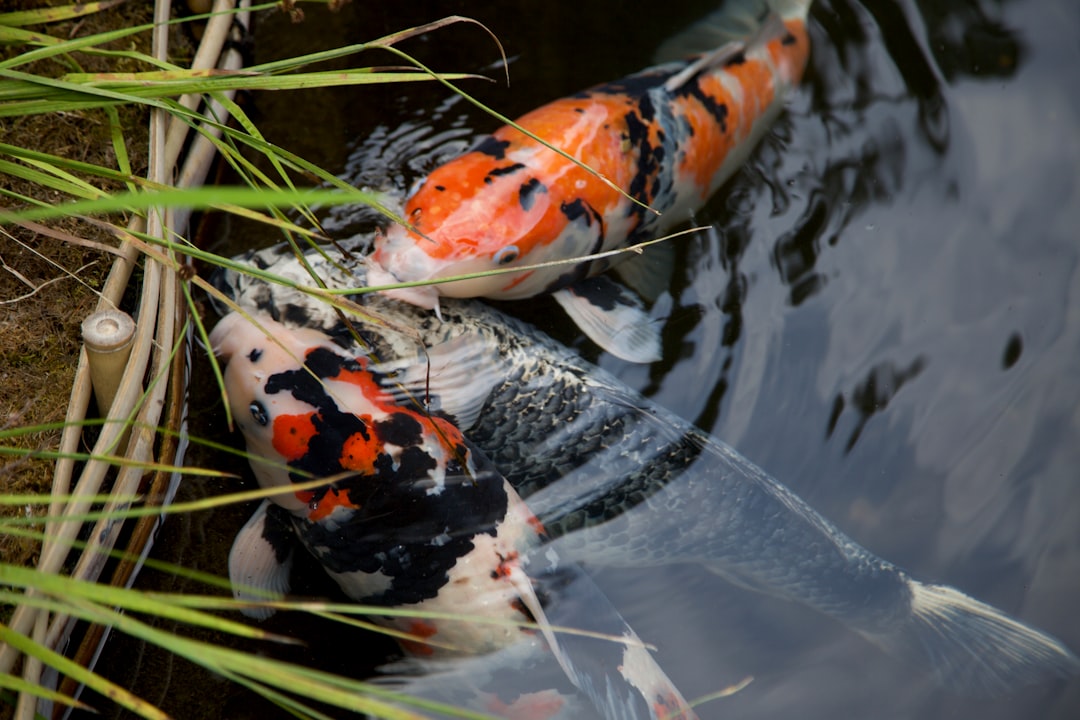
Singapore ponds do not freeze, so the European concept of spring shutdown does not apply — but the idea of an annual reset still does. A pond spring restart singapore protocol is the post-monsoon refresh that resets sediment, biofilm and feeding patterns once the rainy season eases in February or October. This guide from Gensou Aquascaping at 5 Everton Park lays out the seven-day annual maintenance sequence for koi and goldfish ponds across landed and condo properties.
Why Tropical Ponds Still Need an Annual Reset
Year-round tropical operation means sludge, biofilm and dissolved organics accumulate continuously. Without an annual hard refresh, mulm builds in dead zones, denitrifying bacteria pockets create nitrate spikes, and pump impellers gradually clog with biofilm. A planned reset every 12-18 months keeps the pond at design performance rather than letting it drift into the chronic-problem state most home ponds end up in by year three.
Pre-Restart Water Test
Before opening the system, test all parameters and photograph the readings. Ammonia and nitrite should be zero; nitrate, KH, pH and GH within target. The baseline shows you what changed across the restart, and if a problem develops in week 3 you can backtrack to whether the cause was the restart itself or a separate event. Keep a maintenance log with dates and readings.
Day 1: Sediment Dredge
Use a pond vacuum to pull sludge from corners, dead zones and beneath rocks. A typical 5,000L pond yields 5-15 litres of sludge from a single annual dredge. Discard onto compost — the nutrient profile is excellent for ornamental gardening. Move large rocks aside to reach trapped material. Stock a quality pond vacuum from the pond equipment range; budget SGD 200-450 for entry models.
Day 2: Filter Strip and Clean
Strip the filter housing and clean mechanical media (sponge, brushes, filter floss) thoroughly with pond water — never tap water, which kills nitrifying bacteria. Bio-media (ceramic rings, K1, plastic ribbon) gets a gentle pond-water rinse only. Clean UV quartz sleeve with a soft cloth and replace UV bulb annually regardless of apparent function — UV output drops 30-40 per cent in the second year even when the bulb still glows.
Day 3: 25 Per Cent Water Change
Drain 25 per cent through a hose to garden beds or storm drain. Refill slowly with PUB tap water dosed with a chloramine-grade dechlorinator — Seachem Prime or Tetra AquaSafe. Match temperature within 2°C; if your tap is cooler, top up over 4-6 hours rather than blasting cold water in. The water care treatment range stocks pond-volume dechlorinators in 2L bulk sizes.
Day 4: Bacterial Restart Dose
Cleaning the filter knocks back nitrifying bacteria. Dose a bottled bacterial starter — Aquaforest Pond, Tetra Pond Bactozym or Microbe-Lift PL — at the manufacturer rate for three consecutive days. Do not run UV during the restart because UV kills the free-floating bacteria before they settle on media. Switch UV back on after day 4.
Day 5: Plant Pruning and Repotting
Marginals like papyrus, water iris and umbrella palm get top-pruned and root-divided every 12-18 months. Lotus tubers can be lifted, divided and replanted into fresh aquatic soil for the new season. Cut back floating plant coverage to 40 per cent if it has crept above 70 — leave room for water-surface gas exchange. Aquatic baskets and pond soil are stocked in the decoration substrate range.
Day 6: Equipment Health Check
Inspect every pump, air pump, UV unit and pipe joint. Look for cable cracking, impeller wear, bearing noise, and any joint with mineral deposits indicating a slow leak. Replace anything showing degradation rather than waiting for failure. Pump impellers are typically SGD 30-80 to replace and extend pump life by 2-3 years.
Day 7: Stock Health Check and Feeding Reset
Net out koi and goldfish individually for body inspection — ulcers, parasites, fin damage. Treat anything you find before the new season’s feeding ramps up. Reset feeding to summer rates only after the restart cycle stabilises and ammonia readings stay at zero across two test cycles. The first 14 days after restart often show transient ammonia bumps — be ready with Prime.
Watch for Recovery Spikes
Ammonia and nitrite often rise 5-10 days after the restart as the bacterial colony rebuilds. Test daily for the first 14 days and dose Prime if either climbs above 0.25 ppm. By day 21 most ponds stabilise. Resume normal feeding only when readings have been zero for at least three consecutive days.
Schedule the Next Restart
Mark the calendar 14 months out. Annual restarts are usable but slightly aggressive for low-stock ponds; 18-month cycles work well for moderate stocking. Do not skip past 24 months — sediment accumulation accelerates non-linearly and recovery from a neglected pond takes a full restart plus 4-6 weeks of remediation rather than the usual 7-day reset.
Related Reading



